
Article: The Art of Slow Pleasure: How Slowing Down Changes the Way We Experience Intimacy

The Art of Slow Pleasure: How Slowing Down Changes the Way We Experience Intimacy
The Art of Slow Pleasure: How Slowing Down Changes the Way We Experience Intimacy
There is a world of difference between sex and sex that carries you somewhere beyond yourself. The kind of sex that leaves a sense of warmth on your skin, as though your body is still remembering every touch. Your limbs grow heavy, your breath slows, and the restless noise of your mind dissolves into complete silence. For a little while, time seems to loosen its grip. The world beyond the sheets disappears, its demands softened, its urgency forgotten. You lie there, suspended somewhere between tenderness and surrender, feeling as though something inside you has been gently undone. Not emptied, but opened. Not only satisfied, but touched in a place words have never quite learned to reach.
That feeling is not always about how intense your orgasm was, or whether you had one at all. Sometimes, it comes from having enough time to actually notice and experience what is happening to you.
For many of us, sex has become just another thing we know how to do. We know which touches tend to work, which positions get us there, how to recognise the signs that an orgasm is approaching. We learn a pattern, repeat it, and become very good at reaching the end.
There is nothing wrong with knowing what you like. The trouble usually begins when the route to pleasure becomes so familiar that we stop noticing the journey.
Slow pleasure invites you back into it. Not by making sex complicated or turning every encounter into a sensual ritual lasting an entire afternoon, but by allowing your body to have a little more time, a little more attention, and a little less pressure to produce a particular result.
And that can change far more than the way an orgasm feels.
Your Body Has Time to Catch Up With Your Mind
Desire and physical arousal are related, but they are not quite the same thing. You can want sex before your body is fully ready for it. You can enjoy a touch without yet feeling the kind of deep, receptive pleasure that makes you want more of it.
Most of us understand this instinctively. There are days when a kiss is enough to send a shiver through the whole body, and days when the same kiss barely registers because the mind is still somewhere in the middle of a stressful afternoon.
Our bodies are not machines that respond identically every time we press the right button. Arousal is influenced by mood, hormones, stress, familiarity, physical comfort and a hundred small things that are difficult to measure but easy to feel.
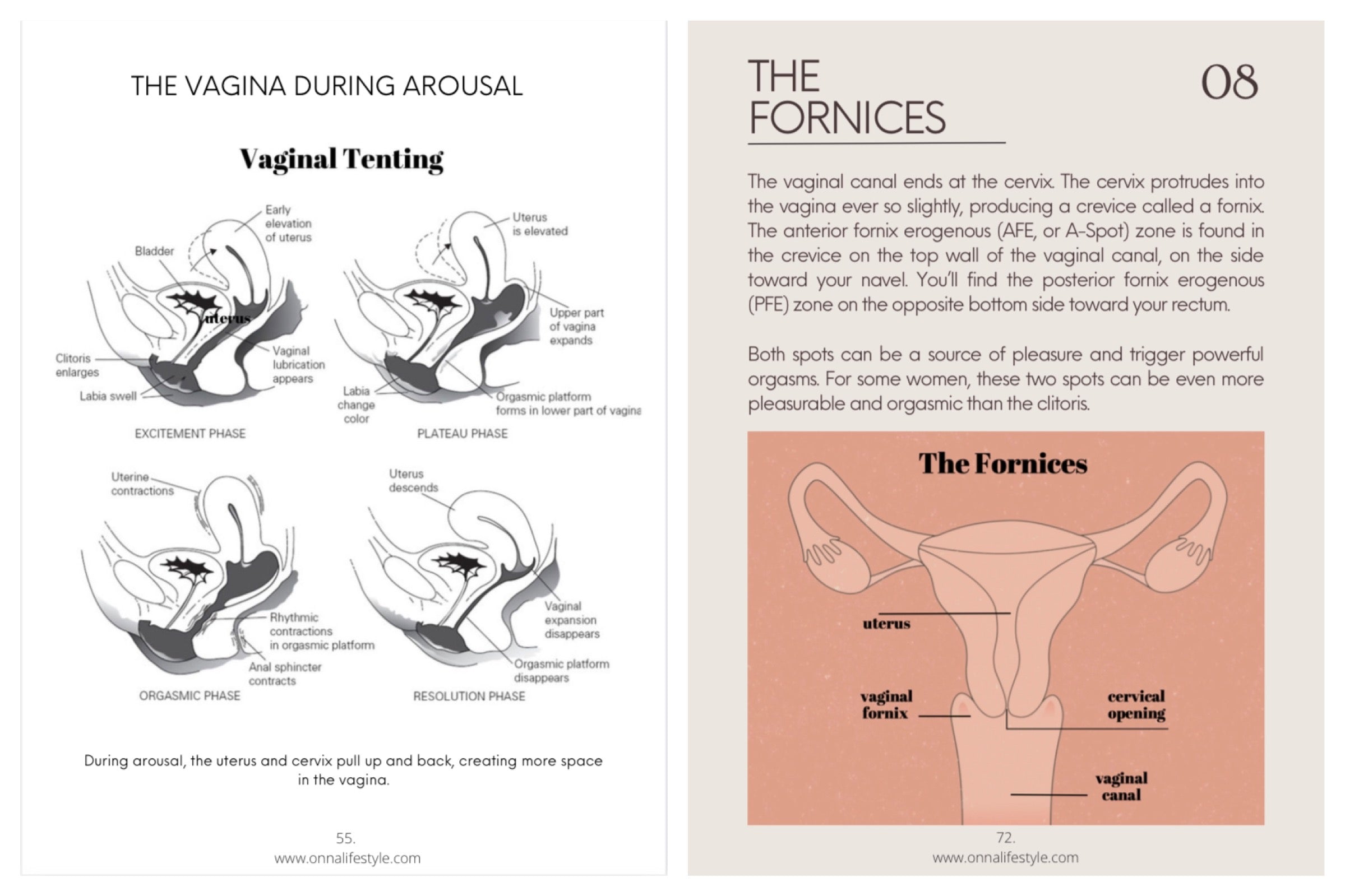
When you slow down, you give yourself more opportunity to move from simply enjoying stimulation into a fuller state of arousal. Blood flow increases around the genitals. The clitoris and surrounding erectile tissues become more engorged. Sensitivity changes, natural lubrication may increase, and the vagina lengthens and expands in preparation for penetration.
These changes do not arrive on a reliable schedule. There is no universal number of minutes that makes a body ready, and being thoroughly aroused does not look or feel the same for everyone. The important part is having enough space to notice what your body is telling you instead of assuming that wanting sex means you must already be ready for every kind of touch.
Slowing down also changes the experience in your head. When you are not concentrating on getting to the next stage, there is less to manage. You can become absorbed in a sensation without immediately deciding whether it is leading somewhere.
A hand resting against your hip can become something worth lingering over. A familiar touch can feel unexpectedly different when you are not anticipating the next one. Pleasure becomes less like a sequence of instructions and more like something unfolding in real time.
You are not trying to make every moment intense. You are giving the moments that already feel good the chance to become more meaningful.
The Pleasure of Taking Your Time
There is this strange pressure around sex to make things happen. We can feel it even when nobody has said a word: the sense that kissing should lead to something, that arousal should build steadily, that an orgasm is the natural conclusion and that great sex should eventually arrive at one.
It is an efficient way to approach pleasure. It is not always a particularly satisfying one.
The body can respond beautifully to repetition, but it also responds to variation, anticipation and attention. Staying with one sensation for longer allows you to notice its smaller details: the difference between light and firm pressure, the point where a touch becomes almost too much, the way your breathing changes when something feels especially good.
You might discover that a sensation you usually rush past is more pleasurable than you realised. You might find that your body needs a pause before it wants more. You might even discover that the intensity you were chasing becomes less interesting than the gradual build that comes before it.
This is one of the subtle pleasures of slowing down: you stop treating your body as something to persuade into responding and begin listening to how it responds naturally.
There is room for uncertainty, too. Not every touch has to work. Not every encounter has to become more intense than the last. Sometimes a sensation fades, and you move on. Sometimes it grows. The experience does not need to follow a predetermined route to be worthwhile.
For anyone accustomed to measuring a sexual experience by its climax, this can feel like learning a different language. At first, the pauses may seem unnecessary. You may catch yourself wanting to move things along simply because you are used to doing so.
Give it a little time. Attention is a skill, and like most skills, it becomes easier with practice.
Slow Sex and the Orgasms you Had No Idea Were Available to You
One of the most interesting things about slowing down for women is that it can change the kind of orgasm you experience and your capacity to feel them.
Think of arousal as a very gradual process rather than a switch. Early stimulation can feel lovely, but the deeper physical changes associated with arousal often continue to develop as excitement builds. The clitoris and other erectile tissues become more engorged, the tissues in the pelvic area becomes more sensitive, and the vagina lengthens and expands as it is getting ready for penetration. It’s smart nature’s design: these changes are essential for pleasurable penetration, helping the body accommodate internal stimulation more comfortably and making it more likely to feel good rather than uncomfortable or painful.
And yet, how often do couples rush past this process and move straight to penetration, before her body has had time to catch up? When that happens, penetration may feel uncomfortable or even painful, and she may experience little pleasure from it. It’s a reminder that arousal isn’t just a bonus or a prelude to sex; it’s a vital part of what makes sex pleasurable in the first place.
When sex moves quickly, it is possible to reach an orgasm before you have explored what a more fully aroused state feels like. And yes, you may still enjoy it. You may even have a powerful orgasm. But you might also be moving past sensations that could have become more interesting with time.
Slowing down gives those sensations room to emerge.
When the G-Spot Starts to Feel Different
The G-spot is an area of particular sensitivity along the front wall of the vagina, best understood as part of a broader G-zone where several interconnected structures come together. This region includes the female prostate and surrounding tissues, as well as structures within the internal clitoral network.
G-spot sensations develop as arousal builds. What feels relatively numb, neutral or even uncomfortable early on becomes fuller, more sensitive and distinctly pleasurable once the body has had sufficient time to become aroused.
As arousal builds, the surrounding erectile tissues become more engorged, blood flow increases, and the vagina changes in size in preparation for internal stimulation. These physical changes influence how pressure on the G-zone feels. The same touch that produces little sensation early on when you are not fully ready can feel entirely different later.
This is why so many women struggle to experience G-spot pleasure or believe they do not have a G-spot at all. They rush. Internal stimulation begins before their bodies have had enough time to develop the physical changes that support pleasurable sensations. The area feels underwhelming or numb, so they assume they are touching the wrong place or that their G-spot isn't there or that it simply does not respond to stimulation.
This is why taking time and preparing the body slowly is important. It is not simply about prolonging foreplay or creating a more relaxed experience. It is about giving the body all the time it needs to become aroused and allowing the conditions for deeper internal pleasure to develop naturally.
Rather than immediately searching for the right spot or applying increasingly firm pressure, begin with the kinds of touch that already feel good. Let arousal build before introducing deeper stimulation. As sensitivity develops, explore the G-zone gently and pay attention to how the sensations change. What initially feels like ordinary pressure can develop into a feeling of fullness, heightened sensitivity and pleasure.
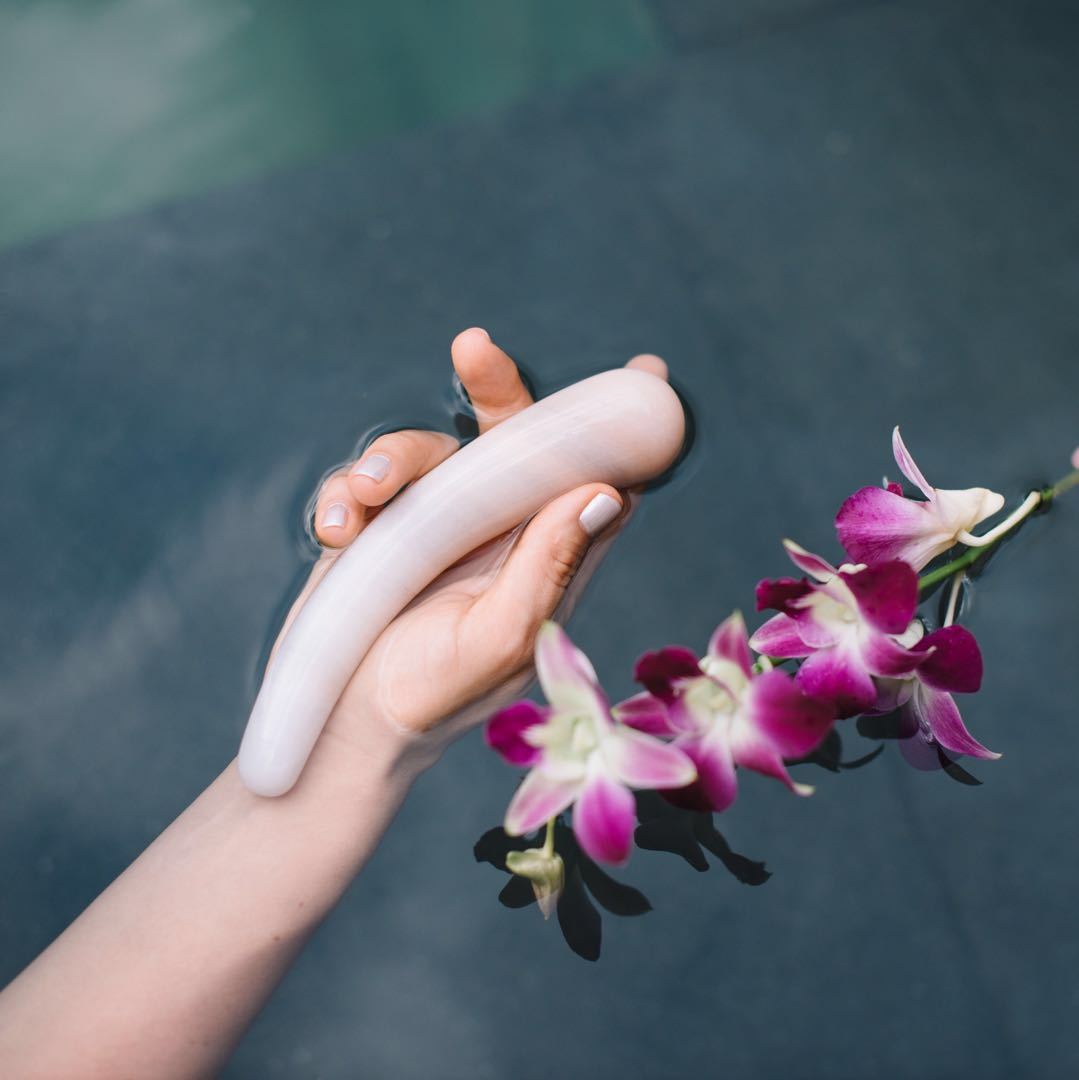
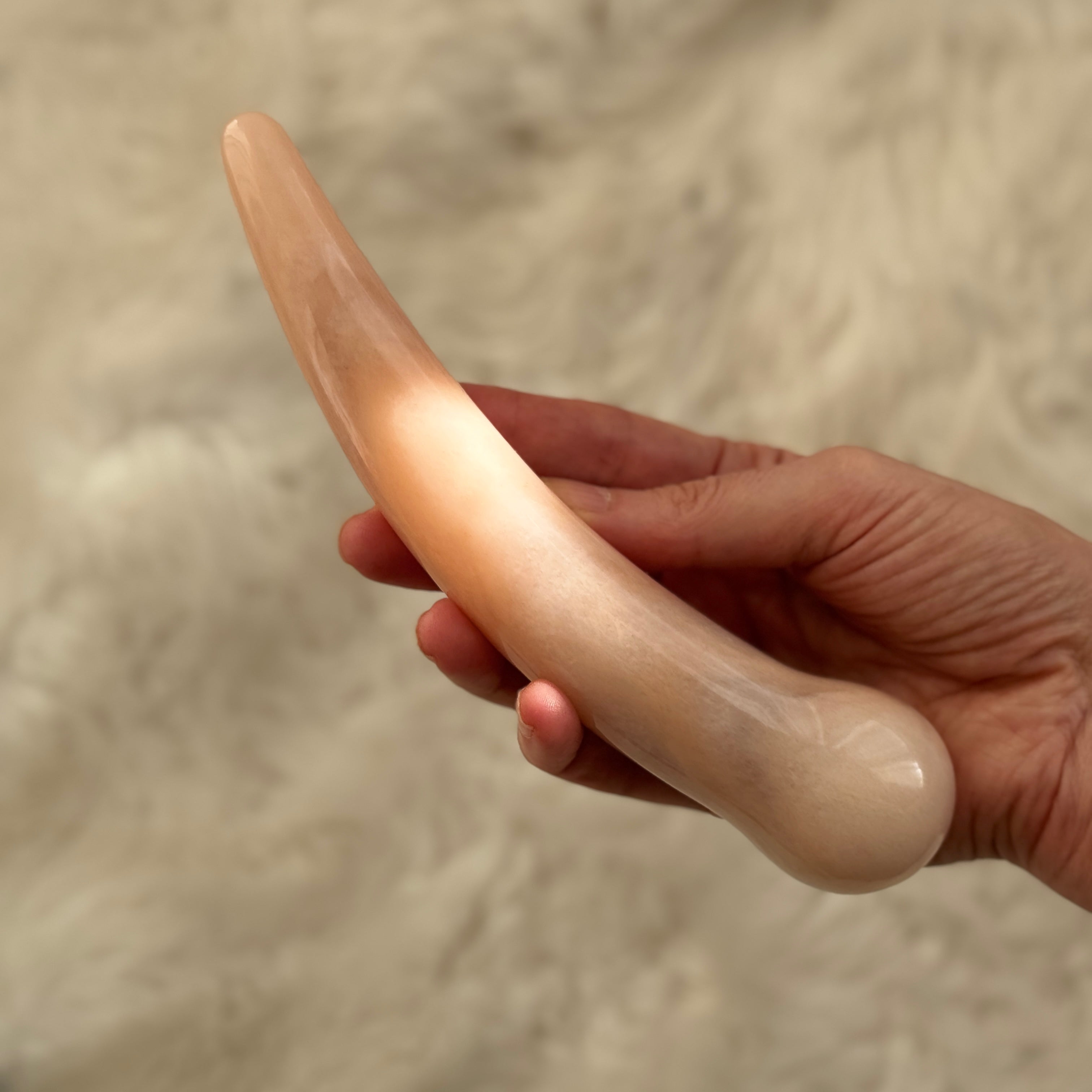
A pleasure wand can be useful for this kind of exploration because it allows you to control the pressure, angle and pace. There is no need to rush towards stronger stimulation or assume that more intensity produces more pleasure. Gentle, sustained contact, introduced when the body is sufficiently aroused, is often more revealing than a succession of forceful movements.
Not every woman experiences distinct G-spot sensations, and individual responses differ. But before concluding that the G-zone does nothing for you, give your body the time it needs.
Pleasure depends not only on where you touch, but also on when you touch it. Rushing straight to internal stimulation skips the very process that helps the body become receptive to it. Slow down, allow arousal to build, and give deeper pleasure the opportunity to emerge.
The aim is not to find a mythical spot that guarantees an extraordinary orgasm. It is to discover how your own body responds when it has time to become fully engaged.
And Then There Is Cervical Pleasure
Similarly, cervix and pleasure are closely connected to the process of arousal. Understanding how the body changes as arousal builds is essential to understanding why deep penetration can feel pleasurable for some people and uncomfortable or painful for others.
The cervix responds differently to touch from one person to another. Some people enjoy gentle pressure around it or the sensation of deep penetration, while others find it neutral, uncomfortable or painful. Anatomy and individual sensitivity influence these responses, but so does arousal. The same depth and pressure can feel very different depending on how prepared the body is for penetration.
This is where not rushing and taking your time instead becomes essential. As arousal builds, the vagina lengthens and expands, while the uterus and cervix shift position. These changes help accommodate penetration and influence how deep stimulation feels. When penetration begins before the body has had sufficient time to respond, deep stimulation is more likely to feel uncomfortable or painful rather than pleasurable.
Deep penetration, however, is not a goal in itself, and cervical pleasure is not a measure of sexual accomplishment. There is no superior orgasm you must achieve. The goal is to discover what genuinely feels pleasurable in your own body.
Pleasure should never require you to push through pain. If deep stimulation hurts, ease off, change the angle or stop. More intensity does not automatically produce more pleasure, and pain is not a necessary stage on the way to a deeper orgasm.
Slower sex allows you to explore depth without rushing towards it. You have time to build arousal, notice how your body responds and adjust as sensations change. Instead of treating deep penetration as something to achieve, you learn to recognise when it feels good, when your body needs more time and when a different kind of touch is more pleasurable.
The principle is simple: give arousal time to prepare the body before exploring deep stimulation. The goal is not to go deeper, but to discover what can feel genuinely pleasurable when your body is truly ready and you don't bypass the essential changes in your body.
When Pleasure Becomes Bigger Than the Climax
Sometimes the most memorable part of sex is not the orgasm, but everything leading up to it and surrounding it.
You may feel pleasure spreading beyond the area being touched. Your breathing may deepen, your muscles may tense and release, or the sensation may build in waves rather than following the familiar rise and fall. You might experience a powerful orgasm, several smaller ones, or a long stretch of pleasure that does not culminate in orgasm at all.
There is no single correct outcome. These experiences are also not guaranteed by a particular technique, and a slower encounter will not necessarily be more intense. But when you are less focused on reaching a finish line, you have more freedom to recognise pleasure in forms that are unfamiliar to you, and that you might otherwise overlook.
What Slow Pleasure Does for Your Mind
The body may be where you feel pleasure, but the mind has a great deal to say about whether you can settle into it.
Stress can make it super difficult to stay present. So can self-consciousness, worries about appearance, concerns about performance or the small mental checklist that appears when you are trying to work out whether your partner is enjoying themselves.
Slowing down does not magically switch your brain activity off. What it can do, however, is offer another place for your attention to go.
Instead of monitoring how saggy your boobs look, you can notice the warmth of your partner's skin. Instead of wondering how much longer something should take, you can pause and pay attention to whether you want more, less or something different. Instead of trying to produce a convincing response, you can let your actual response be enough.
For most people, this makes sex feel safer and more connected. It becomes easier to communicate what you want, to change your mind and to express preferences that might otherwise remain unspoken. A pause is no longer an interruption. It is simply part of your intimate experience.
There is a relief in discovering that you do not have to perform pleasure for someone else. You can be quiet. You can laugh. You can ask for a different touch. You can need a moment. None of these things ruins the mood unless the mood depends on pretending and performing.
Slow pleasure can also help you become more familiar with your own responses. Over time, you may recognise the difference between a touch you enjoy in theory and one your body genuinely wants in that moment. You may notice when you are rushing because you feel expected to, rather than because you are ready to take things further.
That awareness can extend beyond partnered sex. Learning to pay attention to your own body, without immediately trying to change what you feel, is a useful form of self-knowledge in its own right.
Bringing Slowness Into Your Sex Life
You do not need an elaborate routine, a perfectly quiet bedroom or an entire evening free of responsibilities. Slow pleasure is less about creating the right atmosphere and more about changing the way you pay attention.
Begin before you touch. Give yourself a few minutes to arrive in the moment. Put your phone away, get comfortable and let the day become a little less immediate. If you are with a partner, a kiss or a close embrace can be enough to begin. There is no requirement to progress beyond it.
Stay with what feels good. Rather than constantly introducing a new touch, allow a familiar one to continue for a little longer. Small adjustments in pressure, rhythm or location can reveal more than a complete change of technique. If the sensation becomes too intense, soften it or pause.
Use your entire body. Pleasure does not have to be concentrated in the genitals. Touching the arms, back, shoulders, stomach, thighs or scalp can help you discover what makes you feel relaxed, curious and receptive. Some touches will be wonderful; others will not. Both are useful information.
Give arousal time to develop naturally. If you enjoy internal stimulation, there is no need to begin there. In fact, you should not begin there. Explore external touch first, allowing your level of arousal to guide you. When you want to try something more, start gently and adjust as you go. There is no ideal duration you need to reach before your body is ready.
Pay attention to your breathing without forcing it. You do not need to breathe in a special pattern or make every exhale loud and dramatic. Simply noticing when you hold your breath, tense your jaw or tighten your shoulders can help you recognise what is happening in your body. Let your breathing find its own rhythm.
Speak up while things are happening. Telling someone that you like a touch, want less pressure or would rather stay with the same movement can make an experience more intimate, not less. Clear communication allows you to explore without having to pretend that everything feels perfect.
And if you are exploring alone, the same principles apply. Masturbation does not always need to be a quick route to release. You can experiment with different sensations, pause when you want to, and use a pleasure wand to explore pressure and rhythm without committing to a particular outcome.
The most useful instruction is also the simplest: follow what feels good now, rather than what you think should happen next.
How a Pleasure Wand Can Support Slower Exploration
A pleasure wand can be particularly useful when you want to explore without rushing, because it gives you another way to vary the intensity and location of stimulation.
External use can help you become familiar with the sensations you enjoy, whether that means broad, gentle contact or more focused stimulation around the clitoris. You can start at a lower intensity, linger where it feels good and increase the strength only if you want to.
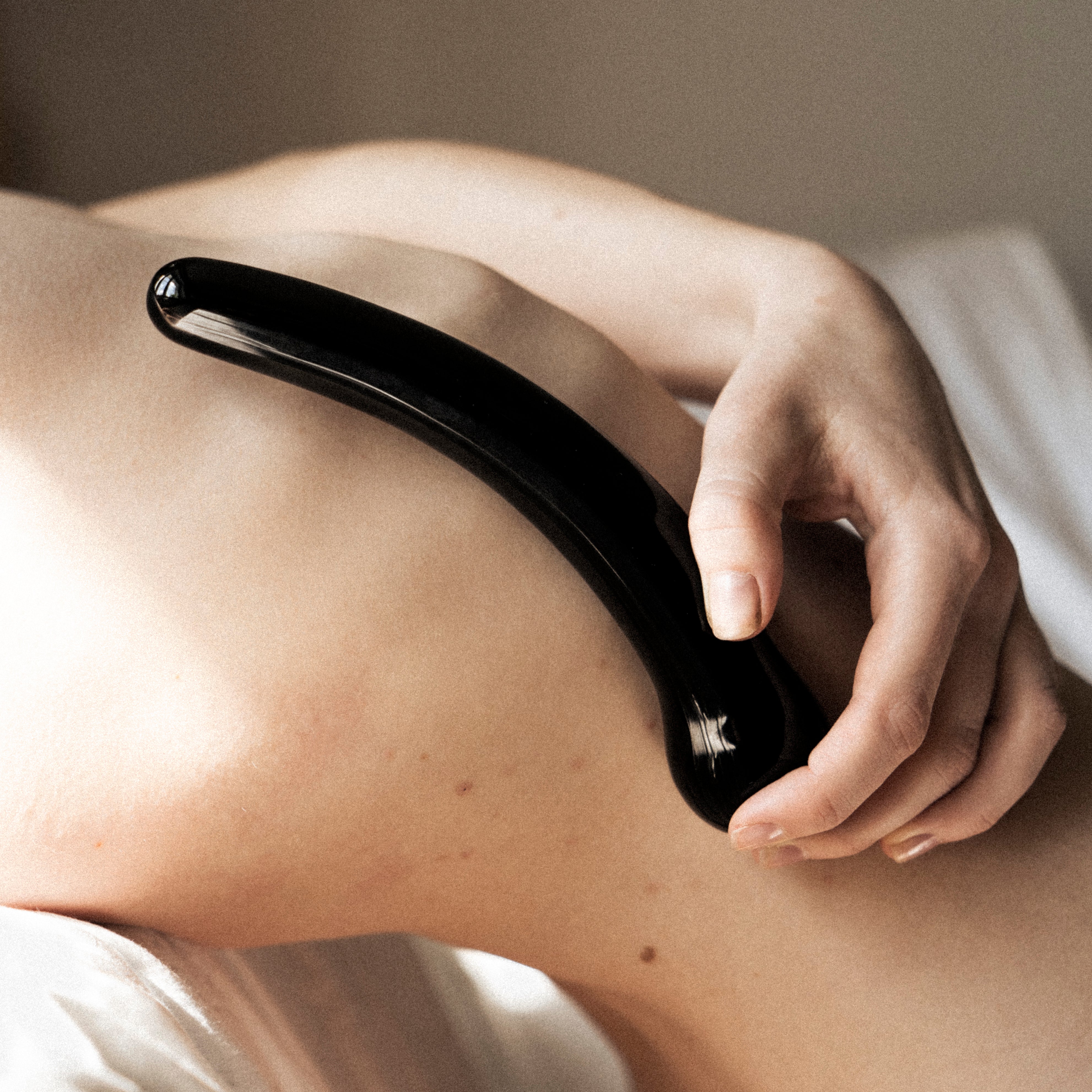
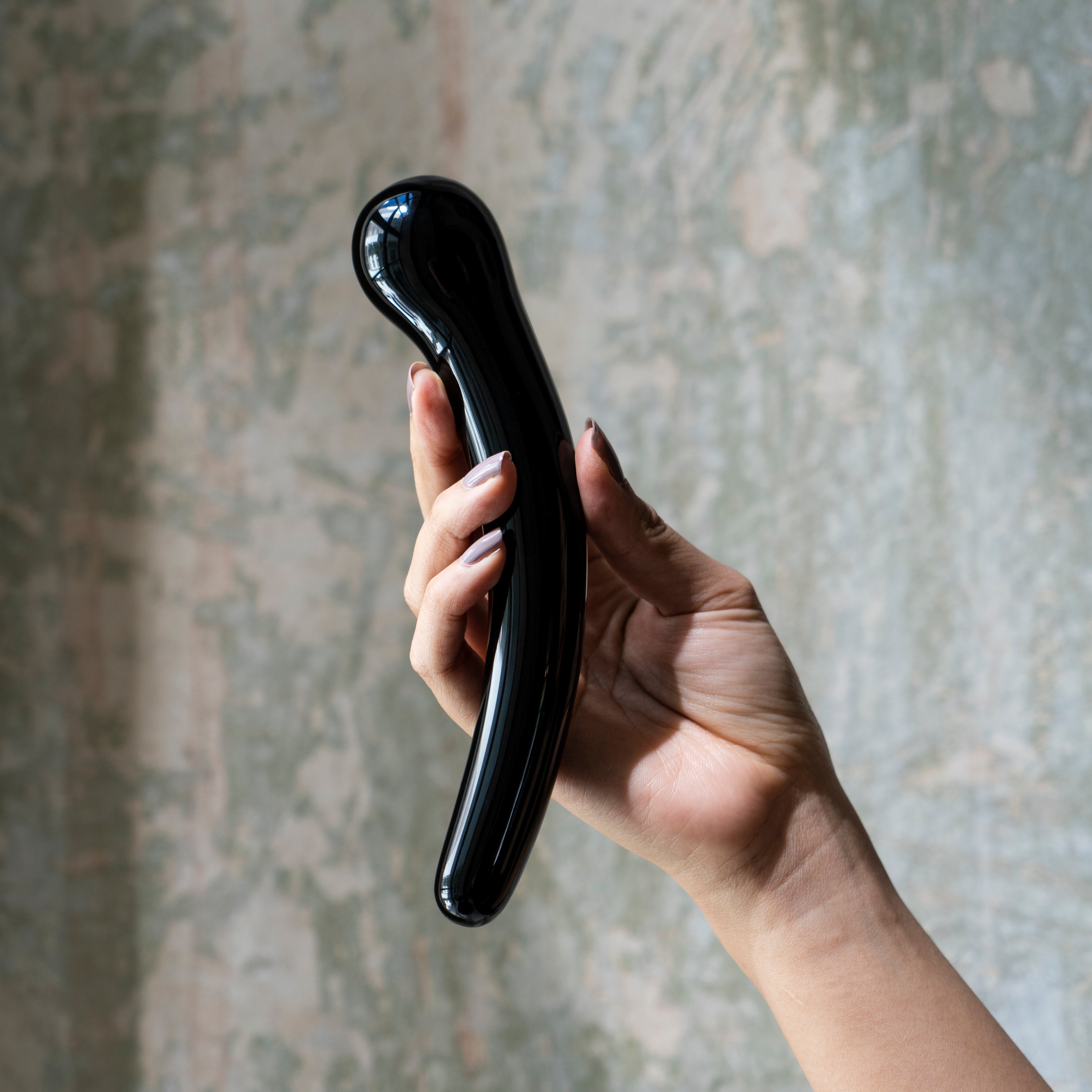
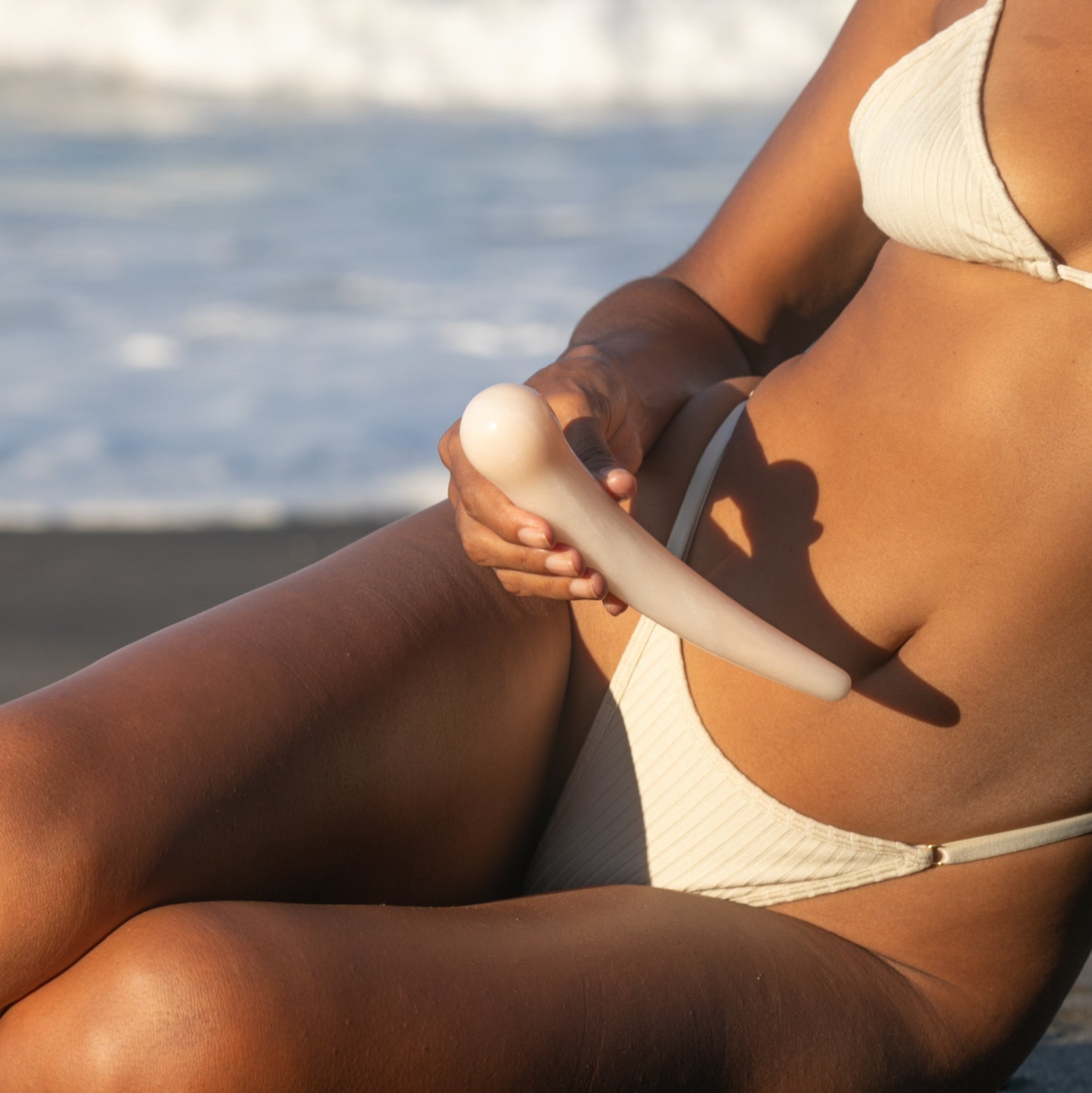
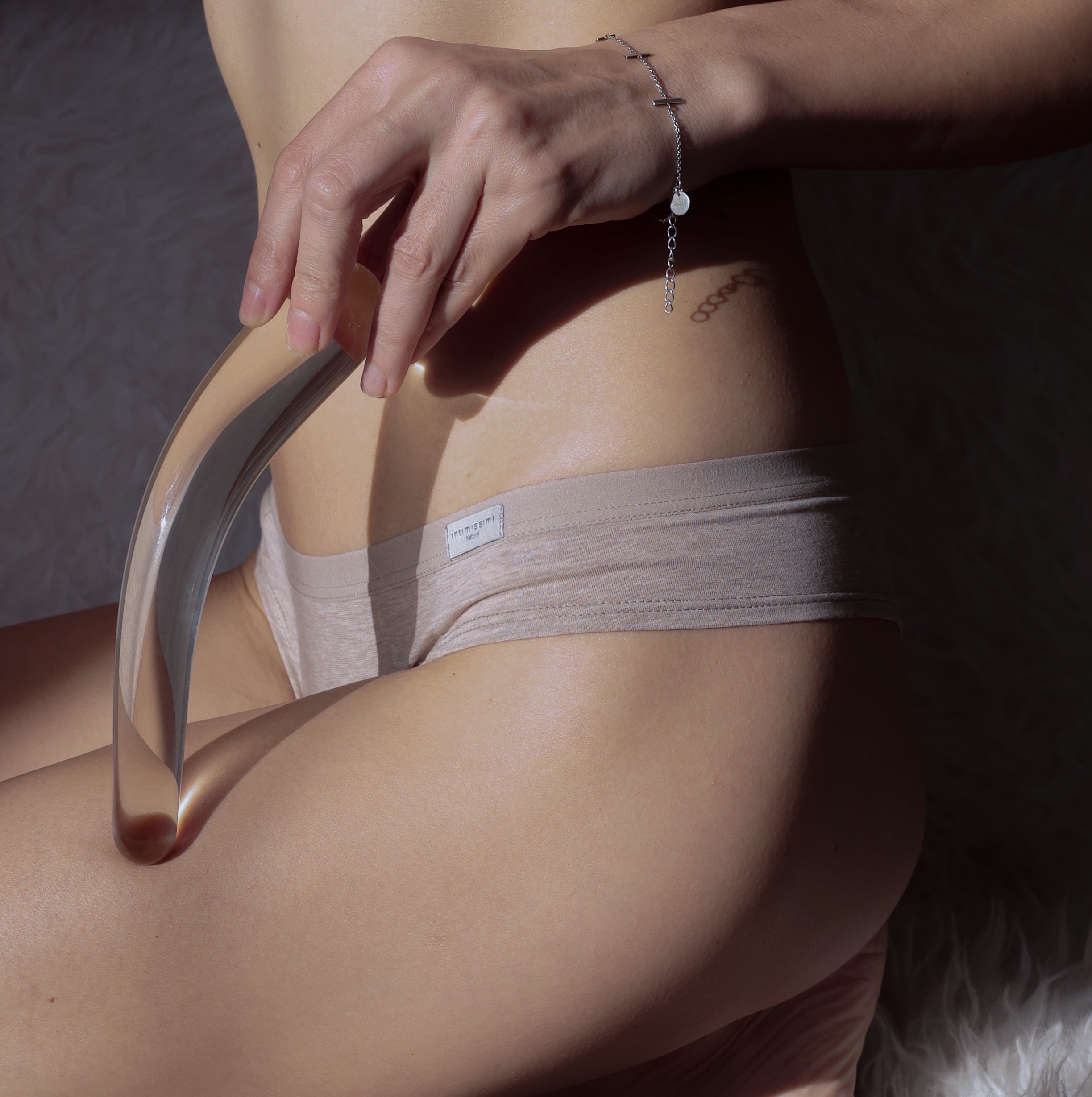
A wand can also be used to explore other areas of the body, including the thighs, hips and lower abdomen. You can enjoy the coolness of a glass dildo gliding over your inner thigh, slowly warming against your skin, or the smooth, solid weight of a crystal dildo tracing the curve of your hip. These touches may not lead directly to genital stimulation, and that is part of the point. You are allowed to enjoy the sensation itself without treating it as a stepping stone.
If internal exploration is comfortable for you and the particular toy is designed for it, go slowly and use adequate lubricant. Begin gently, stay attentive to comfort and avoid treating deeper or firmer stimulation as an achievement. A wand intended for external use should not be inserted.
The ONNA Lifestyle Pleasure Wands can be part of this kind of exploration: a way to discover the pressure, rhythm and sensations that suit you, rather than a device you have to master to produce a particular result.
There is no need to use a toy for an entire session, either. You might enjoy alternating between a wand and your hands, or simply holding it against one area and allowing the sensation to develop. The useful feature is control. You decide the pace, and you can change it whenever you like.
There Is Nothing Wrong With Fast Pleasure
The art of slow pleasure is not a campaign against quick sex. Sometimes you have ten minutes, sometimes you want a quickie without the long build-up, and sometimes spontaneous, uncomplicated pleasure is exactly what you need.
There is no reason to turn slowness into another standard you must meet. Sex that takes a long time is not automatically more connected, and an intense orgasm is not proof that you have done something correctly.
The point is exploring your options.
When the only familiar route is to move quickly towards an orgasm, you can miss the possibility of enjoying something different. Once you begin to explore at a slower pace, you can move between experiences rather than feeling tied to one script. Some days will call for intensity. Others may invite you to linger. Neither needs to justify itself.
And slow sex does not have to mean silent, solemn or endlessly gentle. It can be playful, hungry, funny, messy and full of movement. You can build intensity gradually. You can stop and start. You can change direction halfway through. Slowness is not the absence of energy; it is the freedom to let that energy develop at its own pace.
Learning to Stay a Little Longer
The first few times you try slowing down, you may find yourself reaching for the familiar rhythm almost automatically. You might become distracted, wonder whether you are doing it right or feel impatient for the sensation to intensify.
That is normal. We become accustomed to the patterns we repeat, including the ones that no longer give us everything we want from an experience.
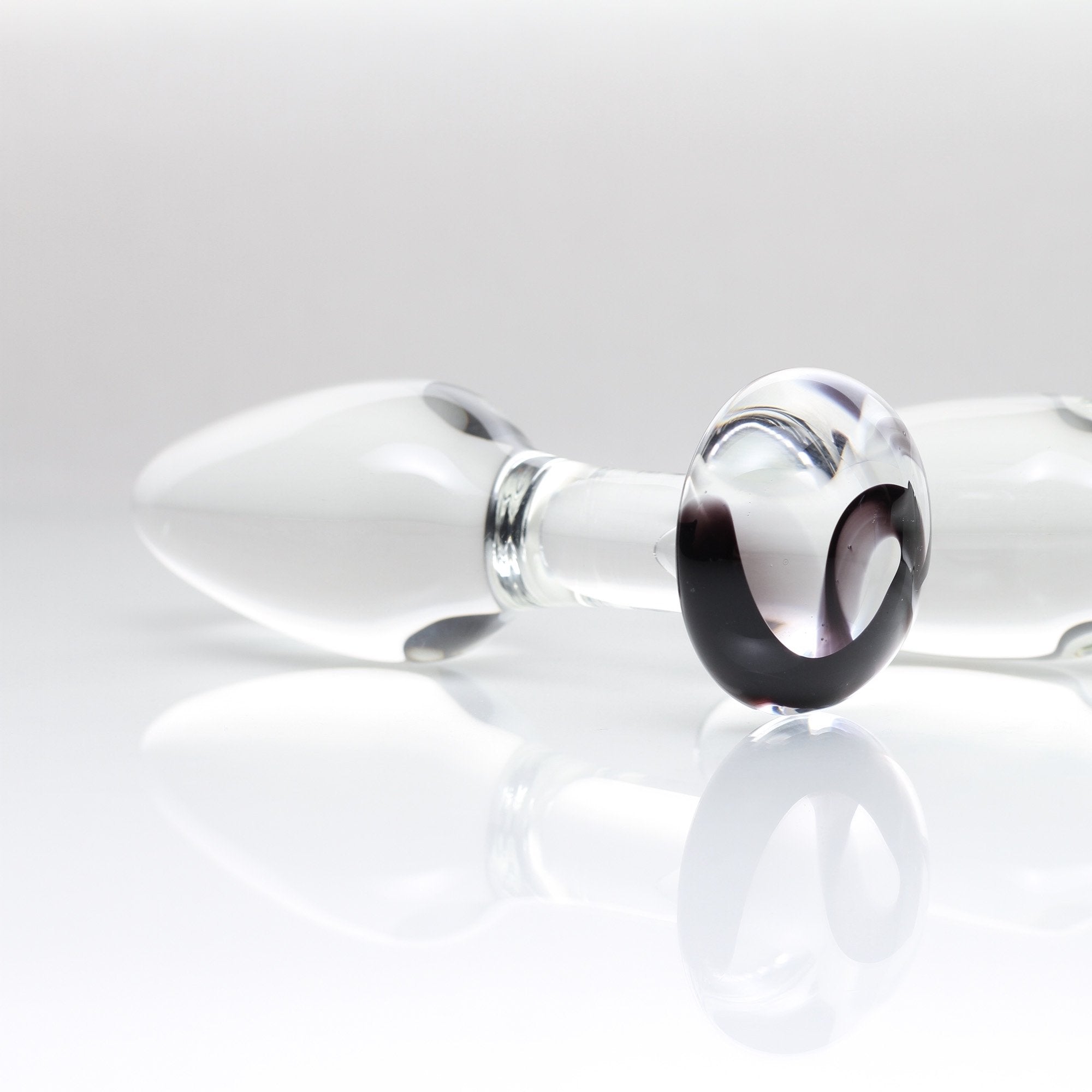
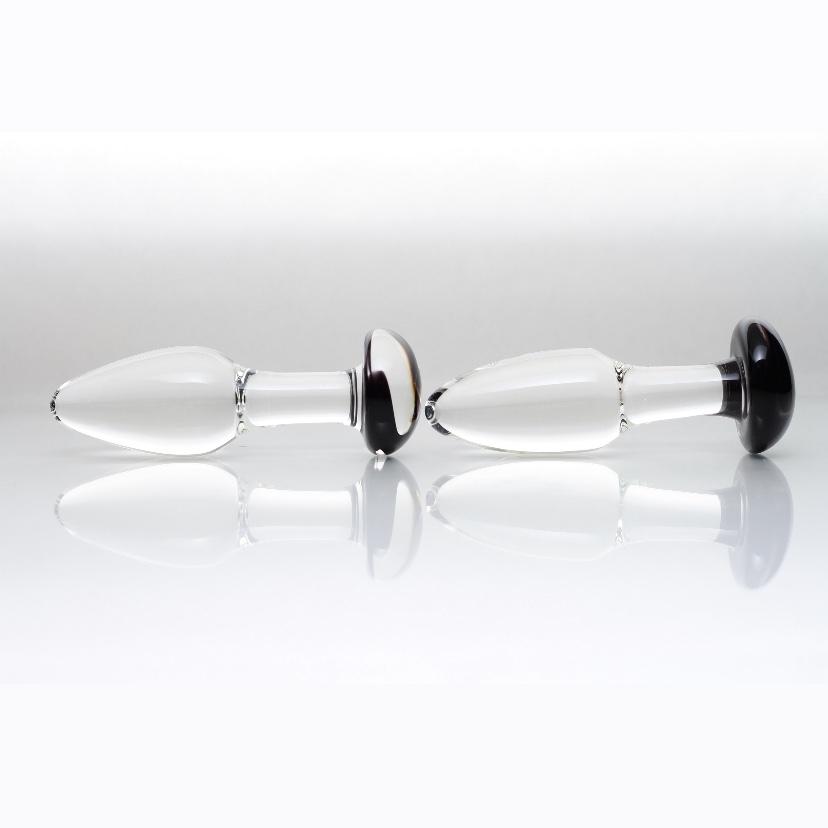
You do not have to transform your sex life overnight. Start with one small change. Stay with a kiss a little longer. During solo pleasure, switch from intense vibrations to non vibrating dildos that don't override what you feel in your body.
You may discover new sensations. You may find that your orgasms feel different, or that internal stimulation becomes more pleasurable now when you are fully aroused. You may also discover that your preferences have not changed at all.
The value is in knowing more about yourself, not in reaching a particular destination.
Slow pleasure offers a little room between wanting something and immediately pursuing it. In that room, you can notice what your body is doing, what your mind is holding onto and what you actually want from the experience.
Sometimes that leads to a deeper orgasm. Sometimes it leads to more connection with your partner. Sometimes it simply means enjoying the touch you are already receiving instead of hurrying towards the next one.
And sometimes, when you finally stop rushing past the good parts, you discover just how much was there all along.
Frequently Asked Questions
Does slow sex lead to more intense orgasms?
It can, for most women. Taking more time to become aroused may increase genital engorgement and sensitivity, which can make especially internal stimulation and penetration feel more pleasurable. Slowing down can also help you discover sensations you might otherwise rush past.
How long should you spend on foreplay?
There is no universal time limit. Arousal varies between people and from one encounter to the next. Rather than aiming for a particular number of minutes, pay attention to whether you feel comfortable, interested and physically ready for the kind of touch you want.
Can slow sex deepen intimacy?
Slow sex helps you move beyond the mechanics of sex and actually feel the connection between you. Lingering touch, unhurried desire and honest communication create space to discover each other rather than simply perform for each other. When you stop focusing on what should happen next, you become more attuned to what is happening between you right now.
Intimacy grows when neither partner has to perform, prove anything or rush towards an outcome, but can simply be present, receptive and genuinely connected.
Can slow sex help you experience a G-spot orgasm?
Slow sex gives arousal time to develop, which can make G-spot stimulation more pleasurable. As blood flow increases and the surrounding erectile tissues become engorged, internal pressure can feel more pronounced and pleasurable. The key is to allow these changes to develop before increasing the intensity of stimulation. G-spot sensitivity varies, and no technique guarantees an orgasm, but taking your time allows you to discover how your body responds.
Can slowing down make cervical stimulation more pleasurable?
Yes, arousal changes how deep penetration feels. As arousal builds, the vagina lengthens and expands, and the uterus and cervix shift position, influencing the experience of deep stimulation. Allowing these changes to develop before exploring deeper penetration supports greater comfort and helps you distinguish pleasurable pressure from discomfort. Adjust the depth and angle to what feels good, and stop if you experience pain. Cervical stimulation is not pleasurable for everyone, and there is no need to pursue it if it does not feel good.
Can you practise slow pleasure on your own?
Absolutely. Solo exploration gives you the perfect freedom to experiment with pace, pressure and different kinds of touch without having to coordinate with another person. A glass pleasure wand or crystal dildos can be useful for exploring external sensations gradually, with no need to work towards a particular result.
Is slow sex better than fast sex?
Neither is inherently better. Fast sex can be spontaneous, exciting and deeply satisfying; slow sex can offer more time for exploration and connection. Having both available to you means choosing what feels right in the moment, rather than relying on a single familiar pattern.