Natural Body Lubricants for Comfort and Safety
What you use during intimacy matters as much as how you use it. This collection of body lubricants brings together natural options, intimate oils, and body care formulated without glycerin, parabens, or fragrance. From water-based gels to multi-use oils and massage candles, every body lubricant here is chosen for ingredient quality and real performance, not just a clean label.
What Makes a Body Lubricant Natural and Body-Safe?
Natural and body-safe are used loosely across the body lubricant market, often as marketing language rather than a specific formulation standard. Knowing what actually sits behind those words helps you evaluate any body lubricant, not just the ones in this collection.
Why Glycerin, Parabens, and Fragrance Get Singled Out
These three ingredients come up repeatedly in body lubricant discussions for different reasons. Glycerin is a sugar alcohol used to keep lubricants smooth and slippery, but some people find that formulas high in glycerin feel sticky as they dry and prefer to avoid it for that reason, alongside broader concerns some have about its effect on sensitive tissue. Parabens are synthetic preservatives that extend shelf life; they are approved for cosmetic use in most markets, but a portion of consumers choose formulas without them as a precaution. Fragrance in a product applied to intimate skin is the ingredient most consistently linked to contact irritation, because fragrance compounds are a well-documented common allergen regardless of where they are applied. None of this makes a product dangerous if it contains these ingredients. It means a formula without them removes three common variables for people with sensitive skin or a history of irritation.
Why pH Compatibility Actually Matters
The vagina maintains a naturally acidic environment, typically in a pH range of 3.8 to 4.5, maintained largely by lactobacilli bacteria that help prevent the overgrowth of less friendly organisms. A product introduced into that environment with a significantly higher pH can temporarily shift the balance, which is one reason some people experience irritation or notice changes after using certain lubricants. This does not mean every lubricant needs to match vaginal pH exactly, since many body-safe products are formulated to be pH-neutral or close to it rather than acidic. What matters is that the brand has considered this factor at all, rather than formulating purely for texture and cost.
Our Natural Body Lubricants Collection
This body lubricant collection spans four categories: water-based lubricants, silicone lubricants, multi-use intimate oils, and intimate body care. Products come from a curated selection of European brands, chosen specifically because each one discloses its full ingredient list and formulation approach rather than hiding behind vague "natural" branding.
Water-Based Body Lubricants
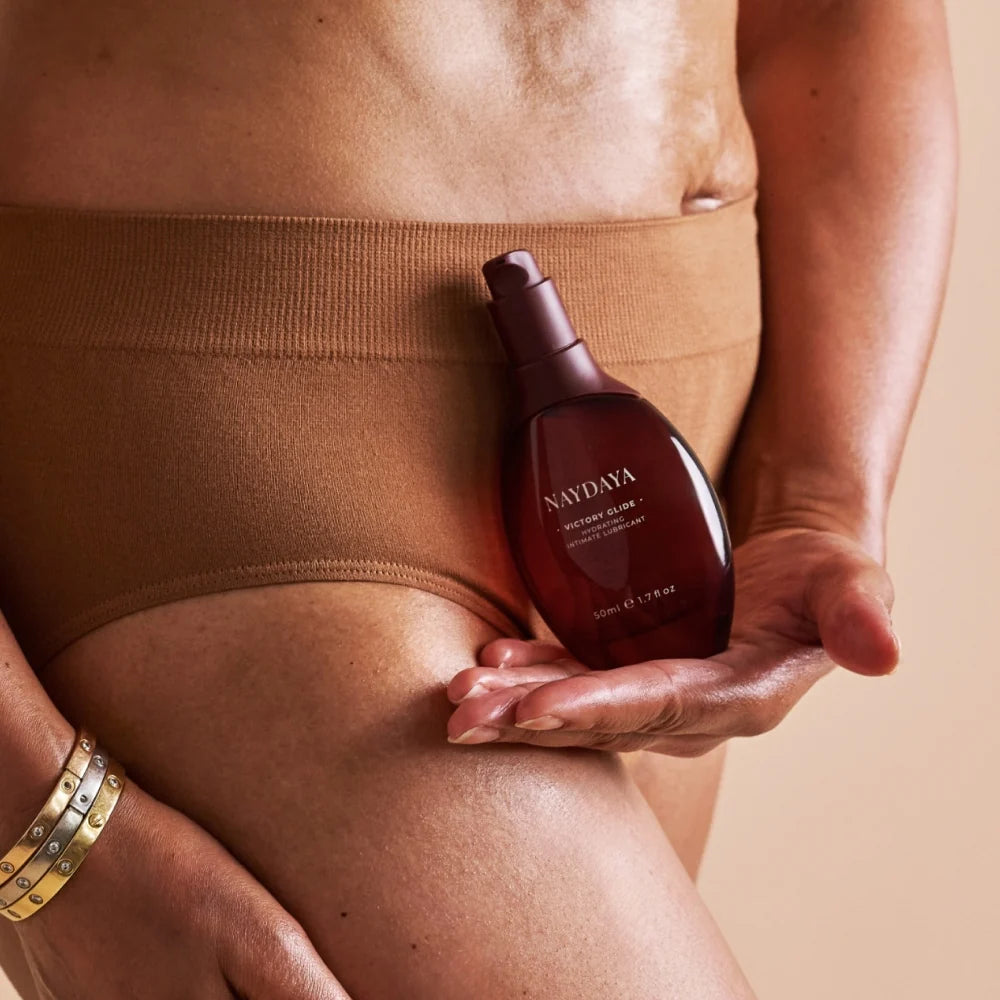
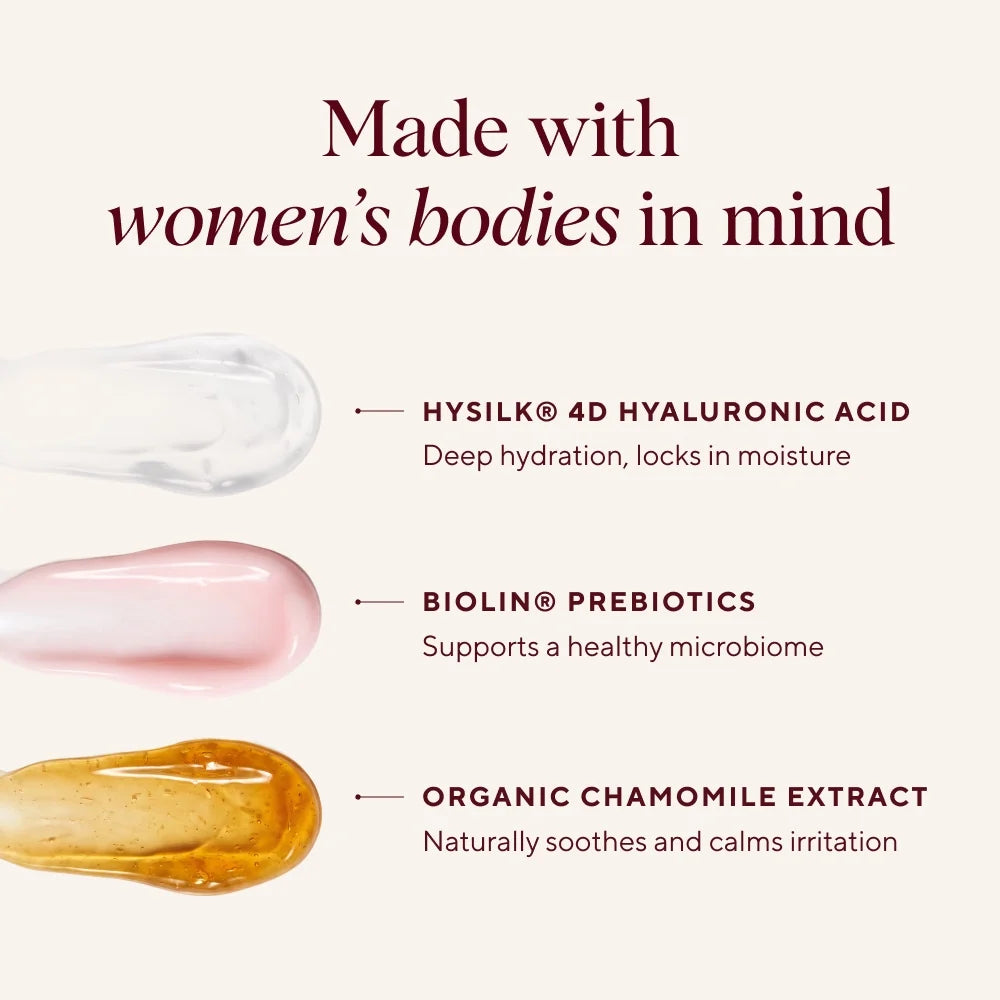
Water-based formulas are the most broadly compatible option in any body lubricant collection: safe with condoms, safe with every toy material including silicone, and simple to clean up with water alone. The water-based range here includes a prebiotic-infused body lubricant designed to support the vaginal microbiome rather than just add glide, alongside lighter glycerin-free gels suited to daily or frequent use. The trade-off with water-based formulas is that they absorb into skin faster than oil or silicone, which means reapplication during longer sessions is more common than with the other two types.
Silicone Body Lubricants
Silicone molecules are larger and do not absorb into skin the way water-based body lubricants do, which is why silicone lubricants last significantly longer without reapplication. These silicone body lubricants remain condom-safe and work well with glass, obsidian, and metal toys, but they are not compatible with silicone toys, since silicone-on-silicone contact causes the toy's surface to degrade over repeated use. This collection includes options in both a lighter everyday size and a larger format suited to people who use lubricant consistently rather than occasionally.
Intimate Oils and Multi-Use Body Oils
An intimate oil differs from a standard body lubricant in both formulation and intended use. Rather than being designed purely for glide during penetration, these oils are built from natural plant oils, argan, coconut, and apricot kernel among them, and are intended to work as a massage oil, a daily body oil, and an intimate lubricant depending on the moment. The one firm limitation is condom compatibility: oil breaks down latex, so any oil-based product in this collection should not be paired with condoms. It pairs safely with glass, obsidian, and metal toys, making it a natural fit for anyone using Onna's non-vibrating wand range specifically. The collection also includes oils formulated for vulvar care and gentle intimate cleansing, alongside functional gels designed for stimulation or for delaying sensation, which serve a different purpose from general lubrication.
Intimate Body Care
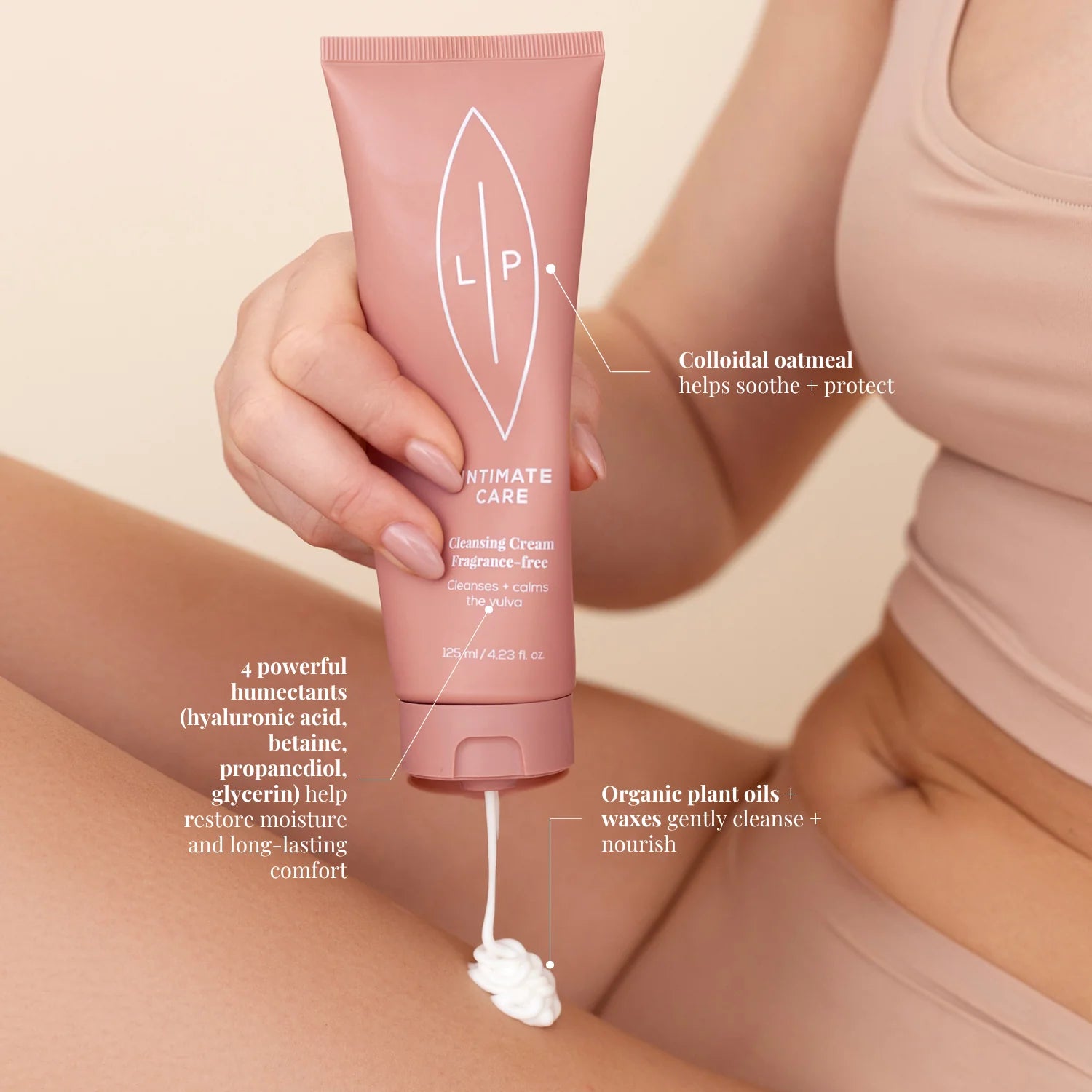
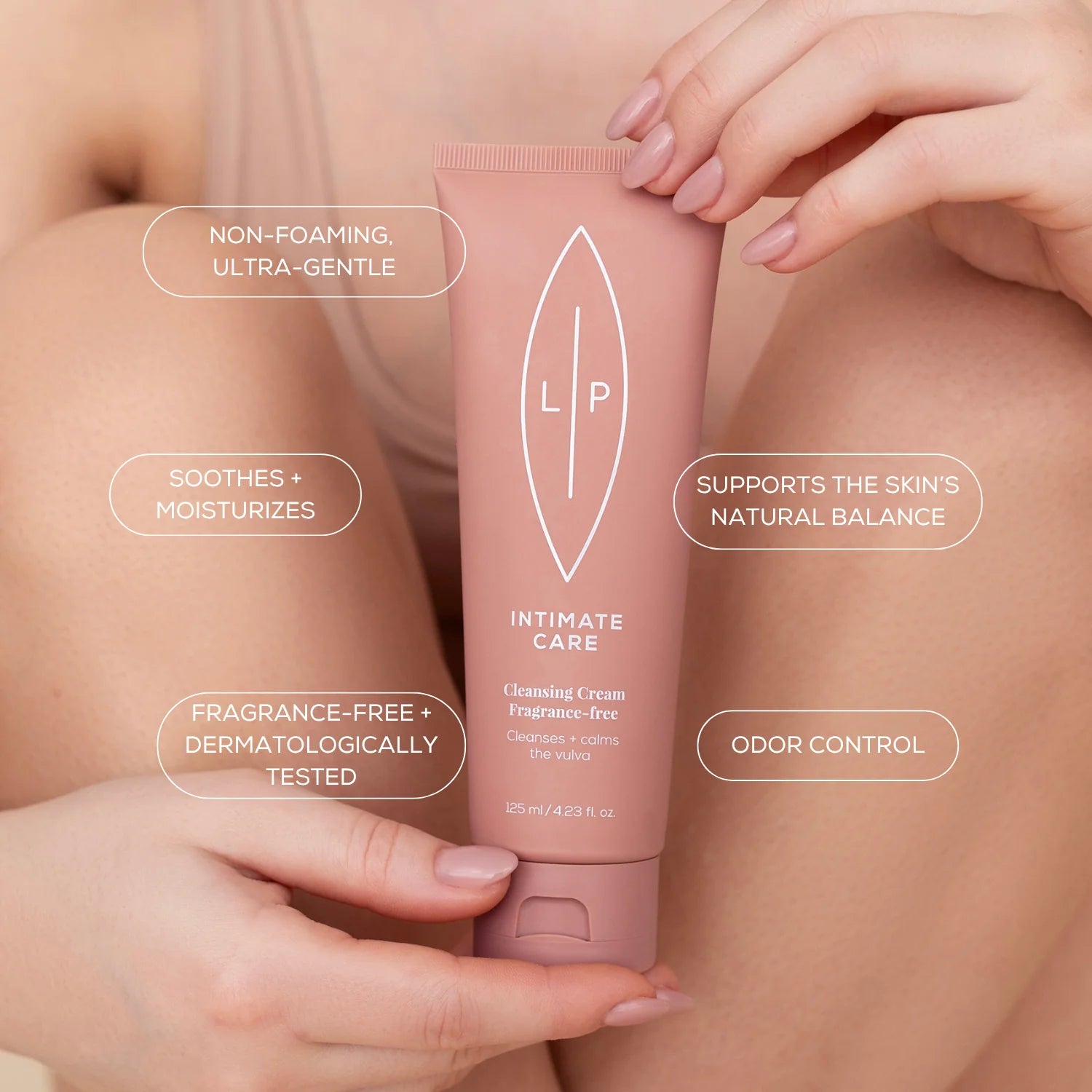
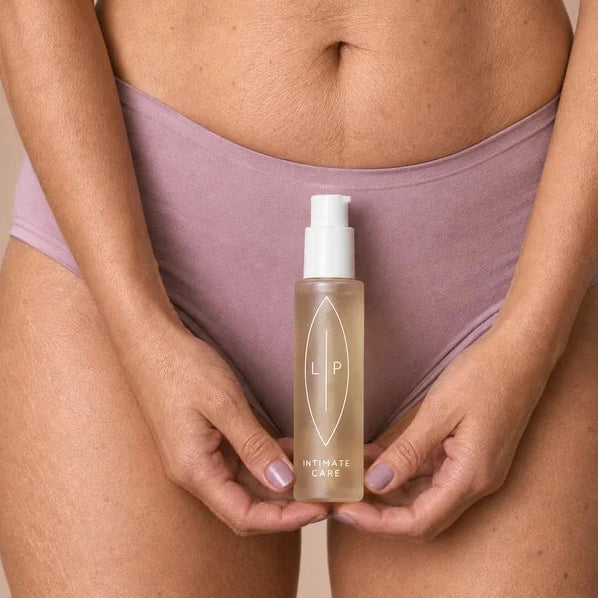
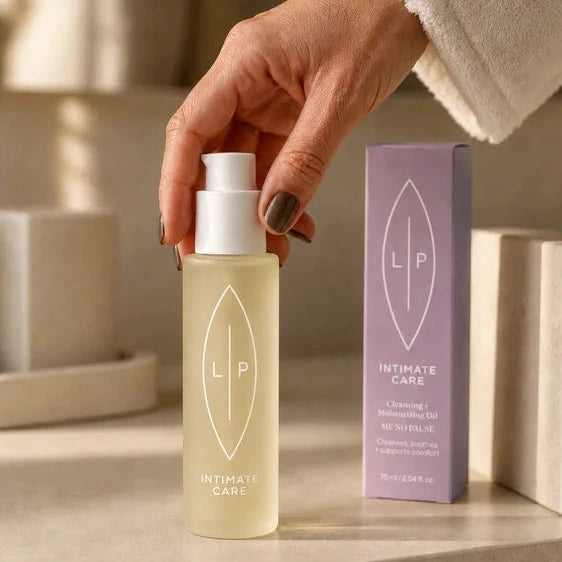
Beyond lubrication, this collection covers the broader routine around intimate skin: a prebiotic cleansing cream formulated for the skin barrier rather than generic soap-based cleansing, a gentle exfoliating scrub for the bikini area, and a cleansing and moisturising oil developed specifically to address menopause-related dryness, a need that is widely under-addressed in mainstream intimate care ranges. These products are designed to be used independently of lubricant, as part of ongoing skin care rather than only around intimacy.
Massage Candles and Pelvic Support
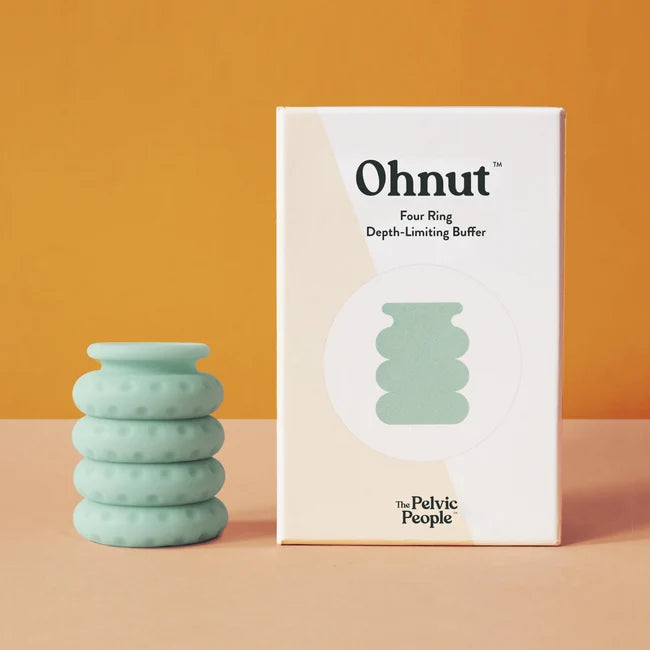
Massage candles in this collection melt into a warm oil once the flame is extinguished and the wax has cooled, intended strictly for external body massage rather than internal or intimate use. The collection also includes weighted kegel balls for pelvic floor strengthening and penetration buffer rings designed for couples managing depth-related discomfort, both of which complement a lubricant routine without being lubricants themselves.
Water-Based vs. Oil-Based vs. Silicone Body Lubricant: A Real Decision Framework
Most body lubricant buying guides reduce this choice to a single comparison table. The more useful question is which variables actually apply to your situation, since the right answer changes depending on what you are using the lubricant with and how long you expect the session to last.
- Using condoms: water-based or silicone only. Oil-based products break down latex and compromise the condom's effectiveness.
- Using silicone toys: water-based only. Both oil-based and silicone lubricants degrade silicone surfaces with repeated contact.
- Using glass, obsidian, or metal toys: all three types are compatible, so the choice comes down to how long you want the lubricant to last and whether you want a product that also works as a body oil.
- Prioritising easy clean-up: water-based wins, since it rinses away with water alone rather than requiring soap.
- Prioritising longevity in a single session: silicone body lubricant lasts longest, followed by oil-based, with water-based requiring the most frequent reapplication.
In short, if condoms or silicone toys are involved, a water-based body lubricant is the only choice that works safely across both. Once those two constraints are removed, the decision becomes a question of texture preference and how long you want the product to last rather than a safety concern.
Using Body Lubricants with Pleasure Wands and Gemstone Toys
Glass and obsidian wands, including every piece in the glass pleasure wands collection and the wider gemstone wands range, are compatible with all three lubricant types without restriction. This makes them the most flexible material choice if you want to experiment with different body lubricant textures. For anyone using silicone wands or toys, water-based is the only safe option, and this holds regardless of how naturally derived the rest of the ingredient list is.
A practical approach for longer sessions: apply a water-based body lubricant first for initial glide and comfort, then layer a small amount of oil-based intimacy oil if you are using a glass or obsidian wand and want the session to extend without frequent reapplication. This combination does not work with silicone toys or if condoms are involved, so match the approach to the materials in use.
How Much Body Lubricant to Use, and How Often
This is one of the most common practical body lubricant questions that collection pages rarely answer directly. There is no fixed amount, but a few guidelines make the decision easier in practice.
- Start with less body lubricant than you think you need. A coin-sized amount of water-based gel is usually enough for initial use; you can always add more.
- Reapply water-based lubricant every 10 to 15 minutes of continuous use, since it absorbs into skin faster than oil or silicone.
- Oil-based and silicone formulas need reapplication far less often, typically only if the session runs well beyond 20 to 30 minutes.
- For daily intimate care products like cleansing creams or vulvar oils, follow the specific product's guidance rather than treating them like lubricant.
Why Choose Onna Lifestyle for Natural Body Lubricants
Onna curates this collection with the same standard applied to every wand and toy in the shop: full ingredient transparency, honest compatibility information, and formulas chosen on merit rather than margin. For anyone building a complete intimate wellness routine, the full pleasure wands and yoni wands range is designed to pair directly with the lubricant types covered in this collection.
- Curated European brands with disclosed, traceable ingredient lists
- No glycerin, parabens, or fragrance across intimate-use formulas
- Formulated with intimate pH compatibility in mind, not just general cosmetic standards
- Clear compatibility information for every lubricant type against every toy material
- Vegan and allergy-friendly formulas across the majority of the range
Frequently Asked Questions
What is a natural lubricant?
A natural lubricant is formulated with naturally derived or plant-based ingredients, typically free from glycerin, parabens, and synthetic fragrance in intimate-use formulas.
Are these lubricants compatible with sex toys?
Water-based lubricants work with every toy material including silicone. Oil-based and silicone lubricants are compatible with glass, obsidian, and metal, but not with silicone toys.
Why avoid glycerin in a lubricant?
High-glycerin formulas can feel sticky as they dry, and some people avoid it due to concerns about its effect on sensitive tissue, though it is approved for cosmetic use.
Can I use an intimate oil instead of a lubricant?
Yes, with one exception: oil-based products break down latex, so they should not be used with condoms. They work well as both a lubricant and a massage or body oil.
How much lubricant should I use?
Start with a coin-sized amount of water-based gel and add more as needed. Oil-based and silicone formulas typically require less, since they last longer per application.
How often should I reapply lubricant?
Water-based formulas typically need reapplication every 10 to 15 minutes of continuous use. Oil-based and silicone formulas last considerably longer before reapplication is needed.
Find the Right Body Lubricant for Your Practice
The right lubricant depends on what you are using it with, how long you need it to last, and what your skin responds to best. Browse the collection, match the formula to your materials, and build a routine around products that are transparent about what they contain and how they perform.