

10 Things You Need To Know About The G-spot If You Want To Have Vaginal Orgasms
The G-spot is one of the most talked-about - and most misunderstood - areas of female pleasure anatomy. Whether you've never been able to locate it, have felt something but aren't sure what to do with it, or are simply curious about the science, this guide covers the 10 most important things to understand about G-spot stimulation, anatomy, and the path to a vaginal orgasm.
1. The G-spot Is a Zone, Not an Organ
G-spot is a name for a highly pleasurable zone, not an actual organ. The organ that most likely corresponds to the G-spot is the female prostate.
The entire G-zone area is where the prostate meets the clitoral network (clitoral legs and bulbs), the urethral sponge, and the surrounding tissue.
This is why G-spot stimulation often produces sensations that feel deeper and more diffuse than clitoral stimulation - you're activating an interconnected network of tissue, nerves, and erectile structures, not a single isolated point.
2. Every Woman Has One
Every female has one. The female prostate is a vital part of the female sex and pleasure anatomy that every female is born with. The female prostate is embedded in the urethral sponge surrounding the urethral canal. The part of the prostate located between the vaginal wall and the urethra is a source of pleasurable sensations during penetration. When aroused and swollen, it protrudes through the roof of the vagina and feels subtly ridged to the touch.
It has a ramp shape and thickens towards the body's inside, with the thinnest part at its tail closer to the bladder. This shape is the most common (in 70% of women), according to Dr. Milan Zaviacic, who described a few different shapes of the female prostate. In 15% of women, it's also ramp-shaped, but its thickest part is at the back towards the bladder.
The shape and position of the female prostate vary between women - which is one reason the same technique doesn't work for everyone, and why exploring your own anatomy directly is so much more useful than following a generic instruction.
3. You Can See and Feel It Yourself
You can see it in the mirror and feel its shape with your own hands. This step-by-step guide will help you.
Most women have never actually looked at or felt their own G-spot - and that unfamiliarity is one of the biggest barriers to G-spot orgasm. Mapping your own anatomy before attempting stimulation makes everything that follows significantly easier and more pleasurable.
→ Tools designed for this kind of self-exploration: Yoni Massage Tools
4. G-spot and Clitoris Feel Completely Different
Clitoris and the prostate/G-spot have different nerves; therefore, stimulating them elicits very different sensations. Clitoris is connected to the pudendal nerve, and the prostate is innervated by the powerful pelvic nerve. Do not look for the same intensity. The G-spot is more subtle, and it doesn't feel like the clitoris. The sensations are not as sharp but rather deep and more nourishing.
Many women give up on G-spot exploration because they're expecting the same sharp, immediate sensation they get from clitoral touch. G-spot pleasure is slower to build, more diffuse, and often described as a warm, full, or pressure-based sensation deep inside - completely different in quality, not just intensity.
5. Arousal Is Non-Negotiable
You need to be fully aroused to get the pleasure out of the G-spot. When you are aroused, the erectile tissue of the prostate engorges with blood and becomes more sensitive. It is important that you do not penetrate yourself before you are sufficiently turned on and open to be penetrated.
Attempting G-spot stimulation on an unaroused body is like trying to tune an instrument before it's warmed up - the tissue is flat, relatively insensitive, and won't respond the way it does when it's fully engorged. Spend at least 15–20 minutes on foreplay or clitoral stimulation before moving to G-spot exploration.
6. The Right Toy Makes All the Difference
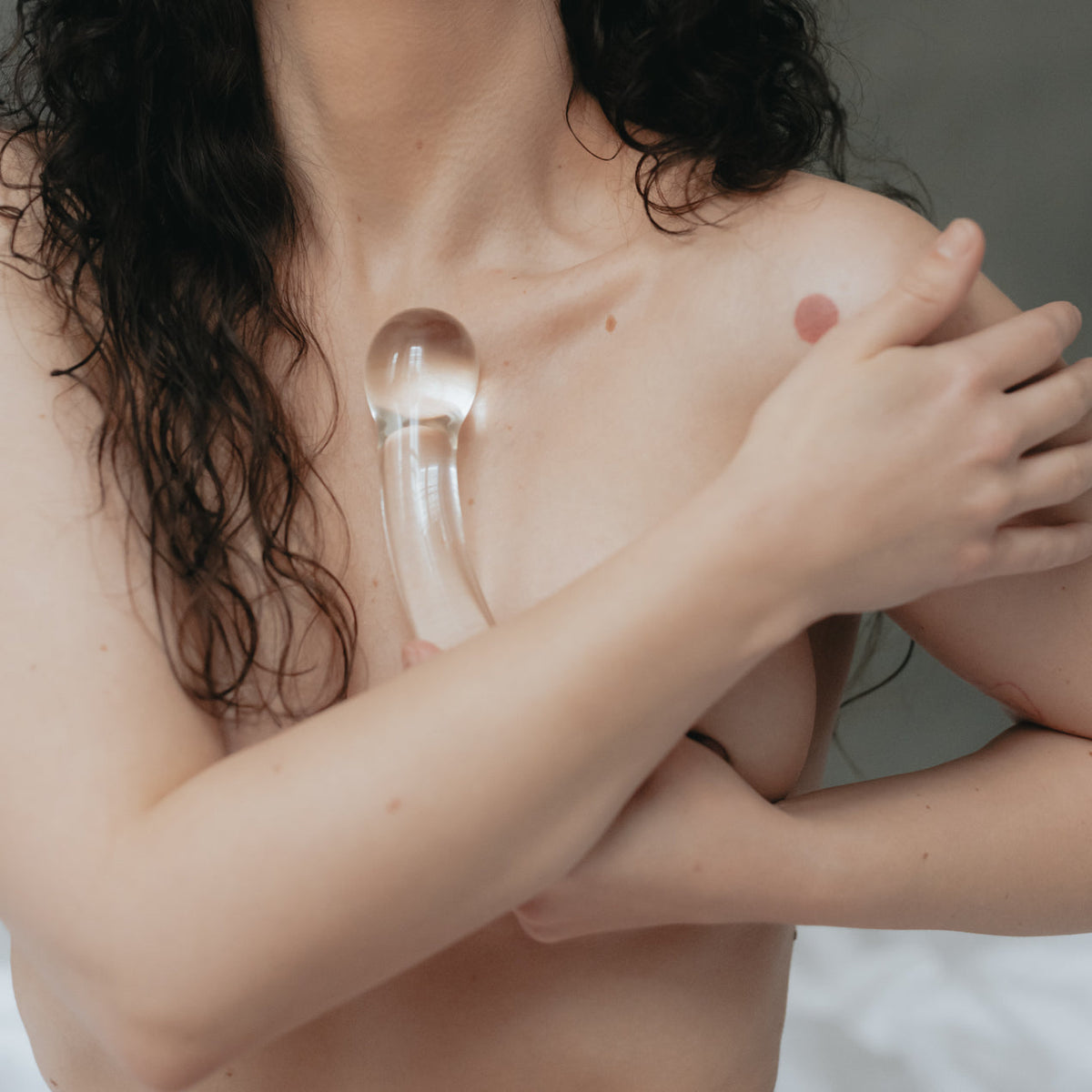
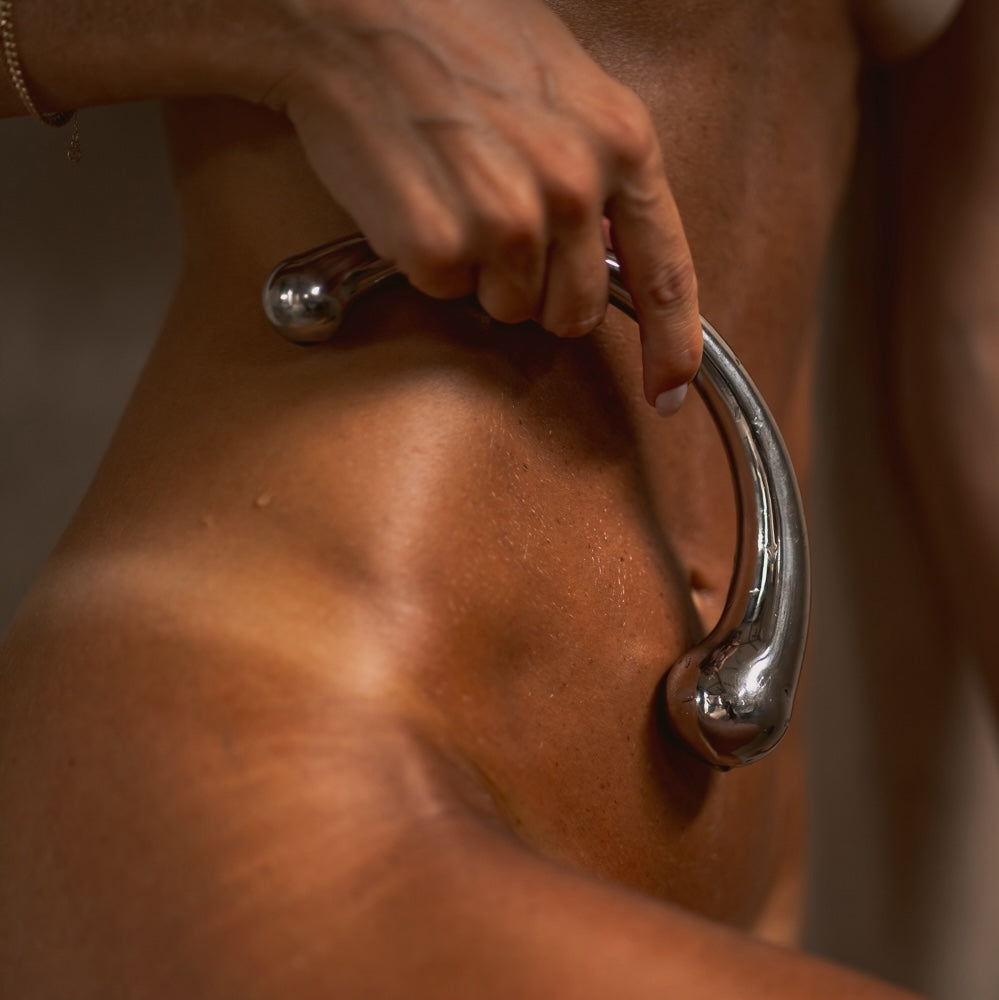
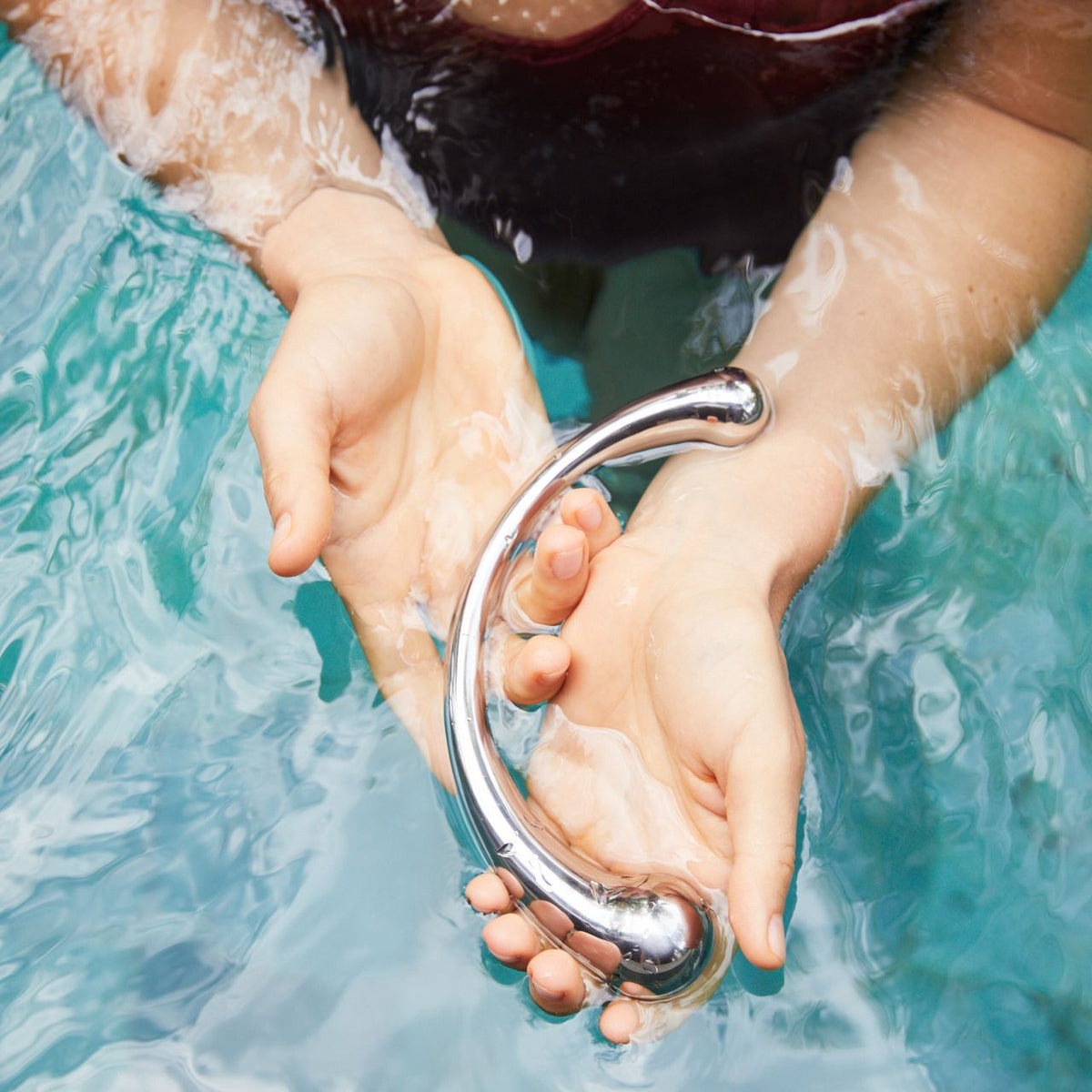
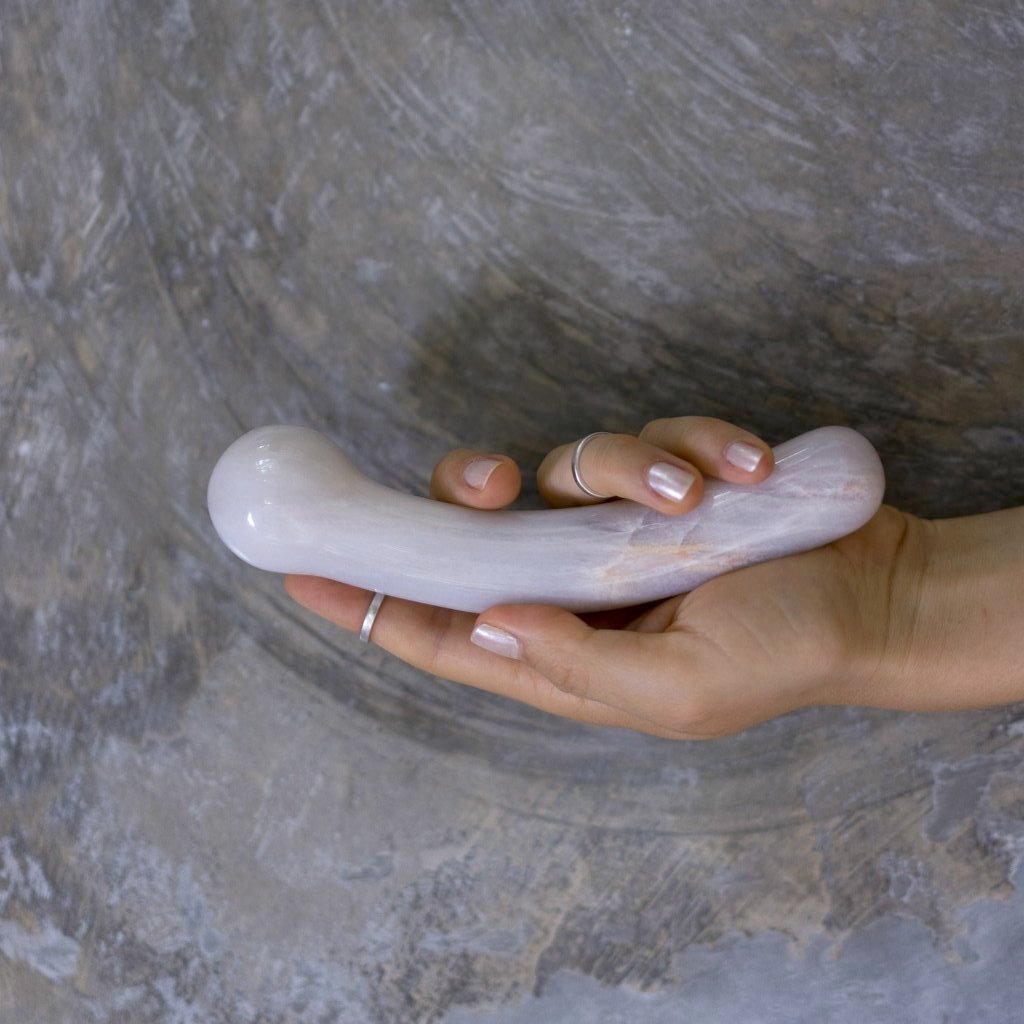
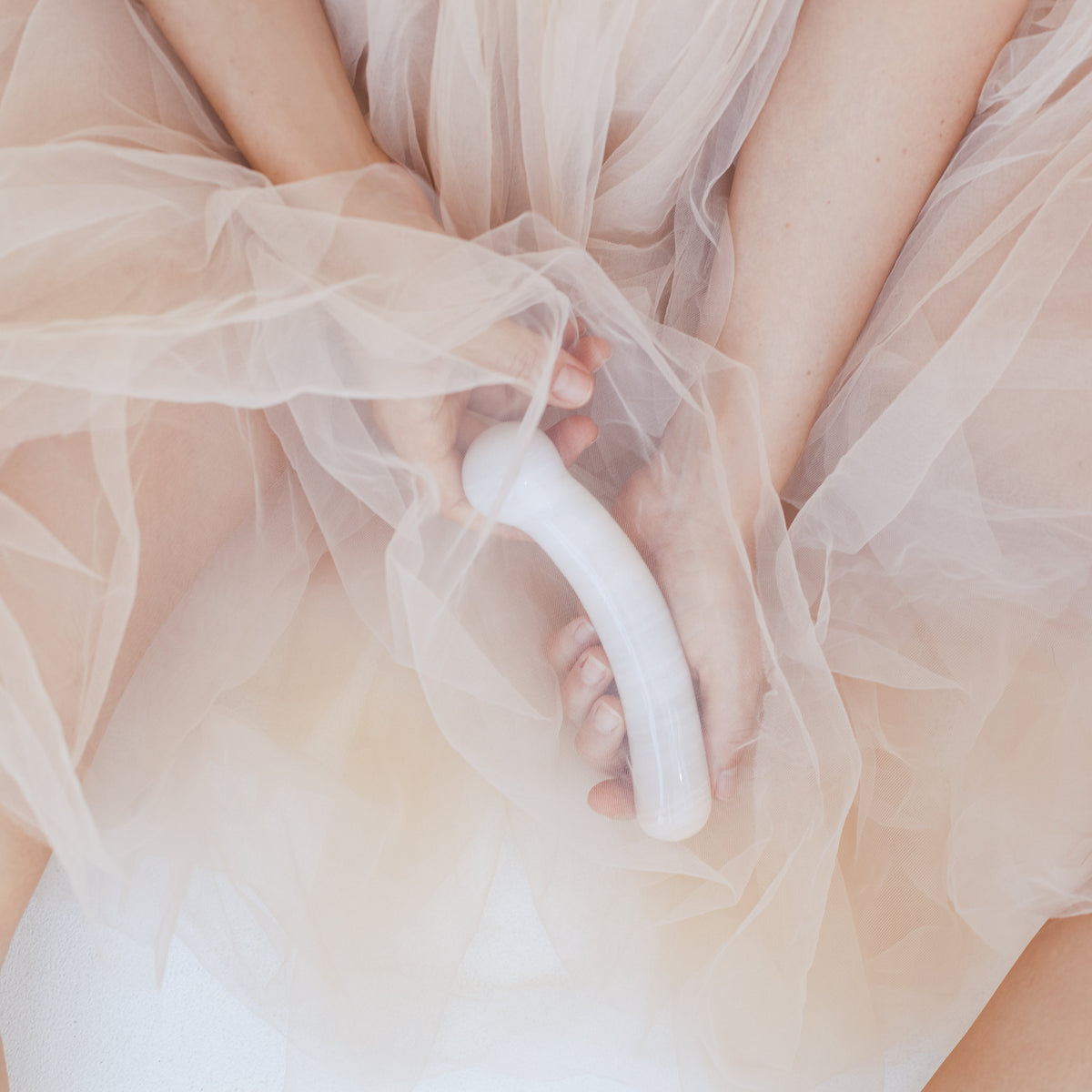
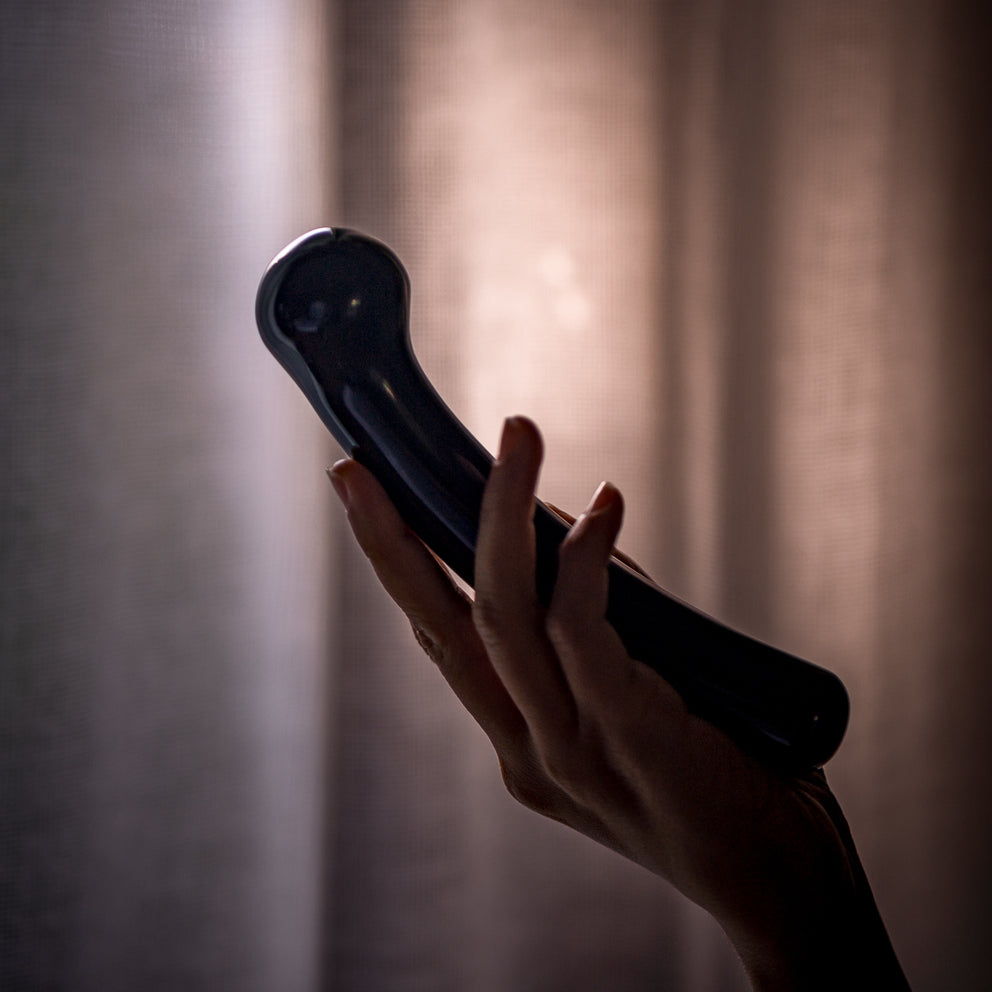
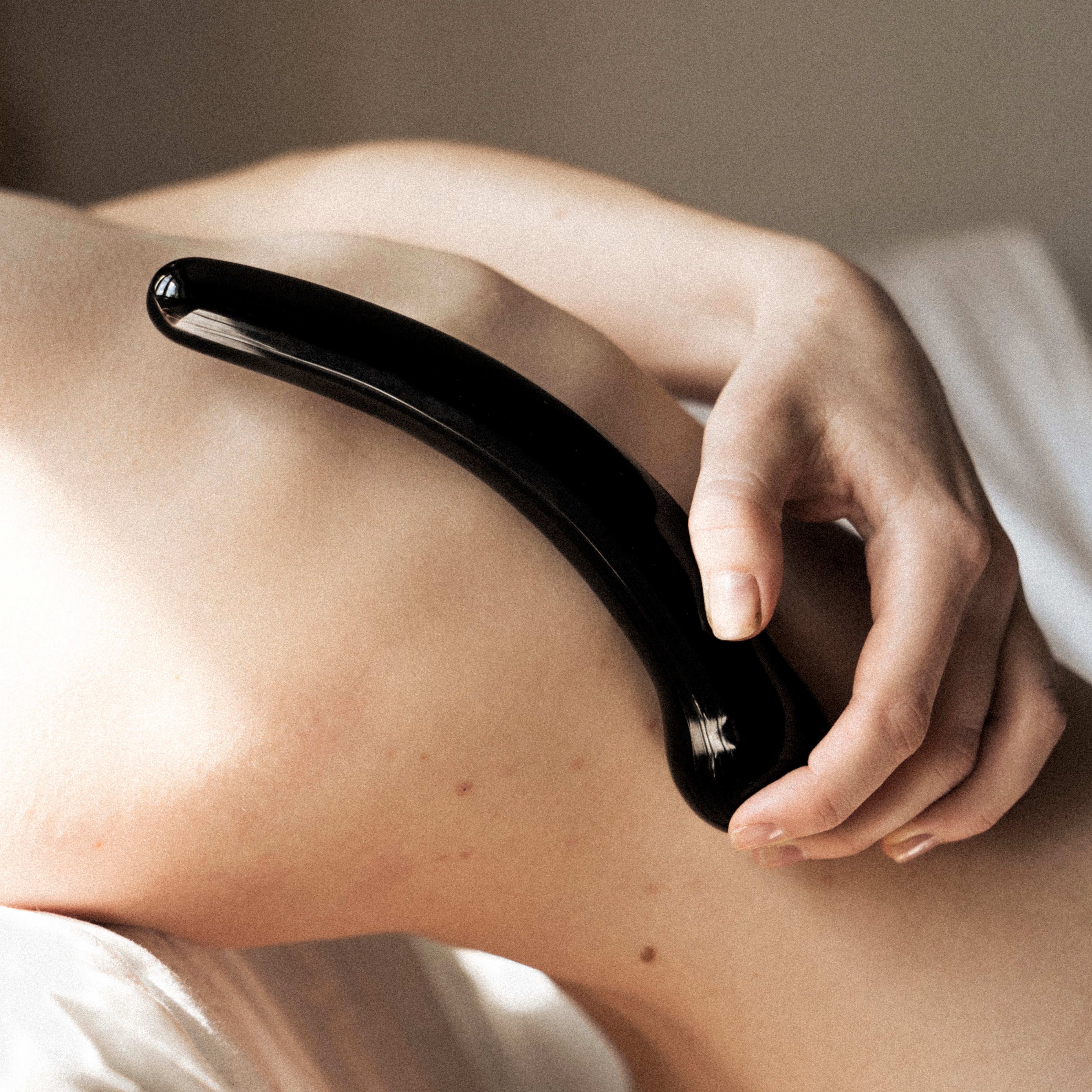
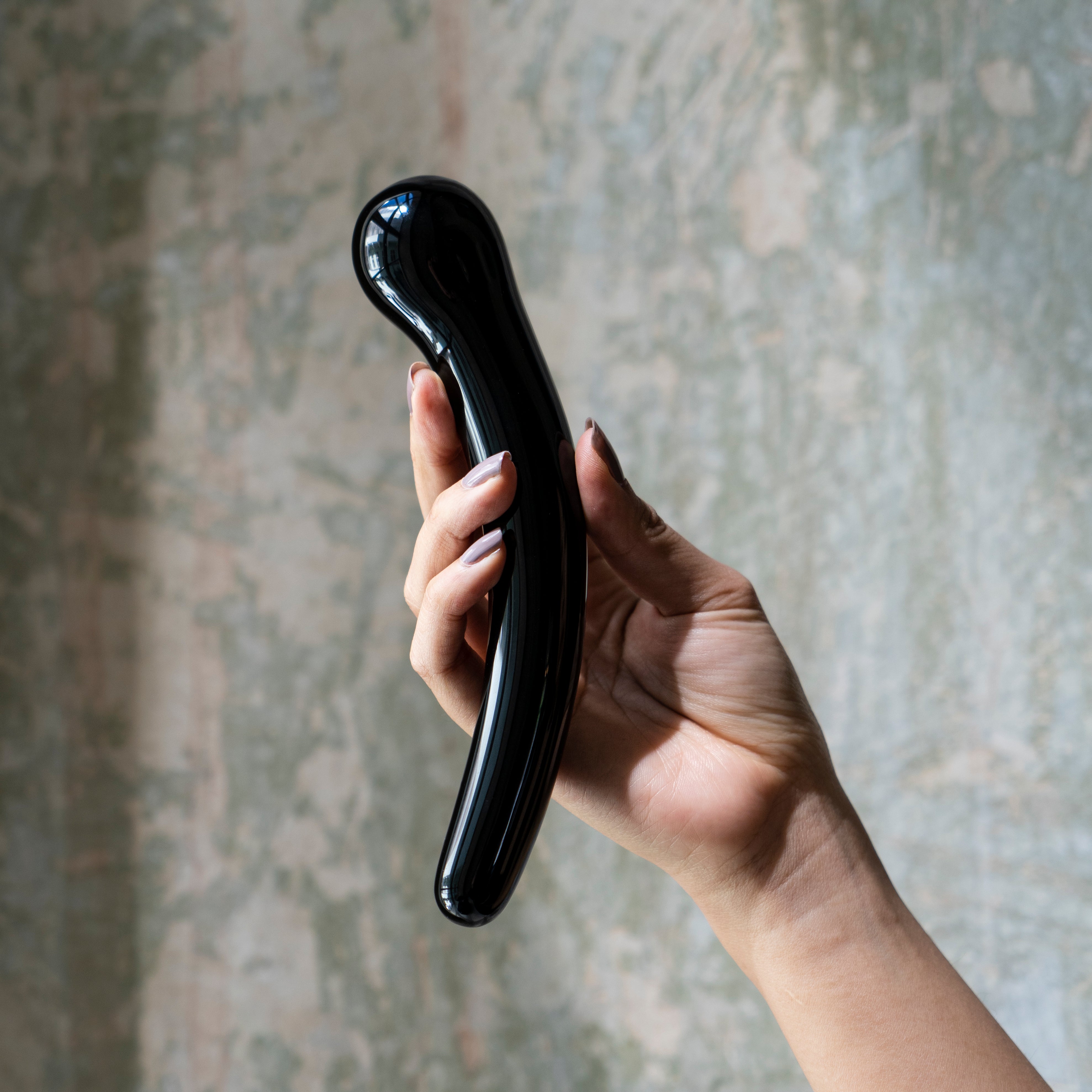
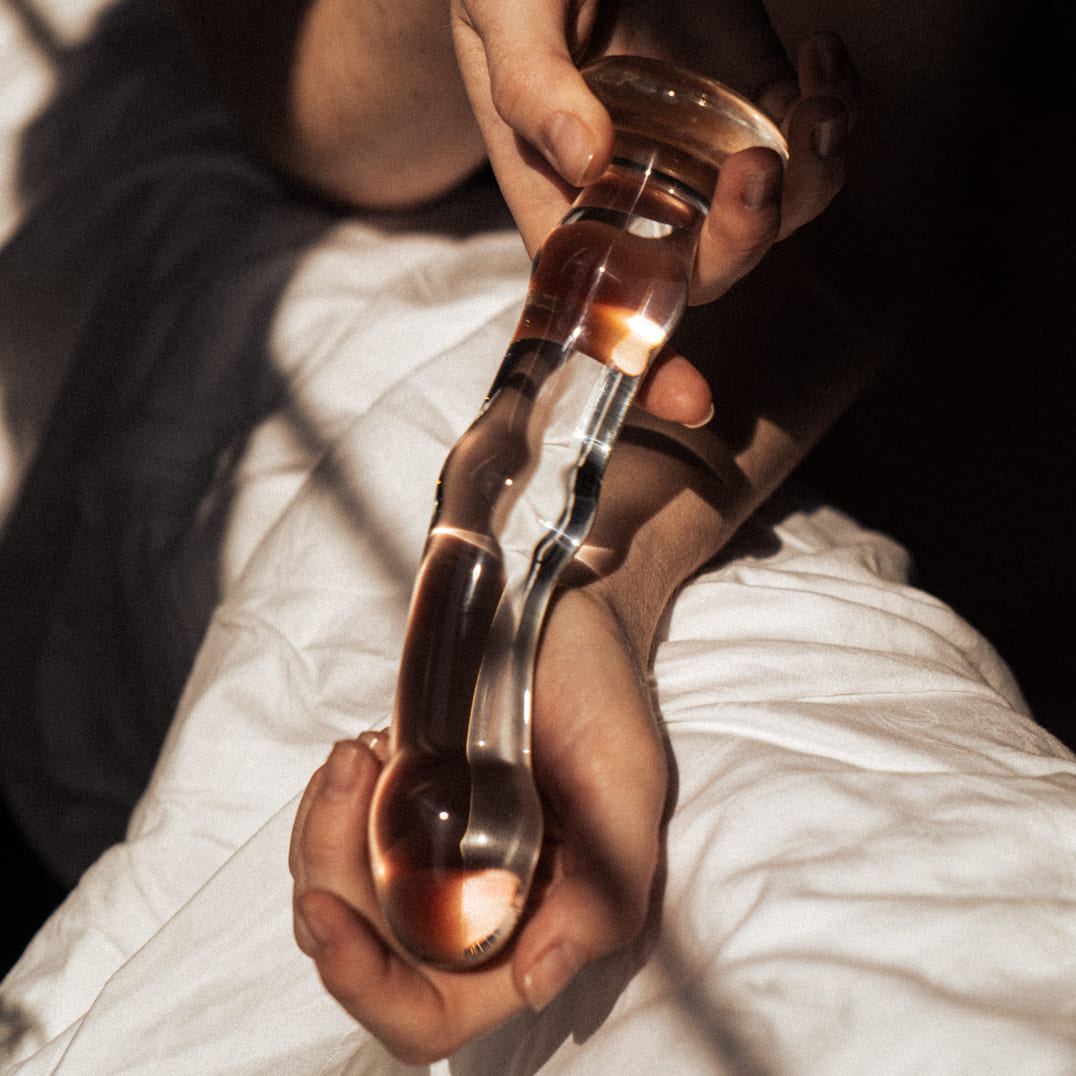
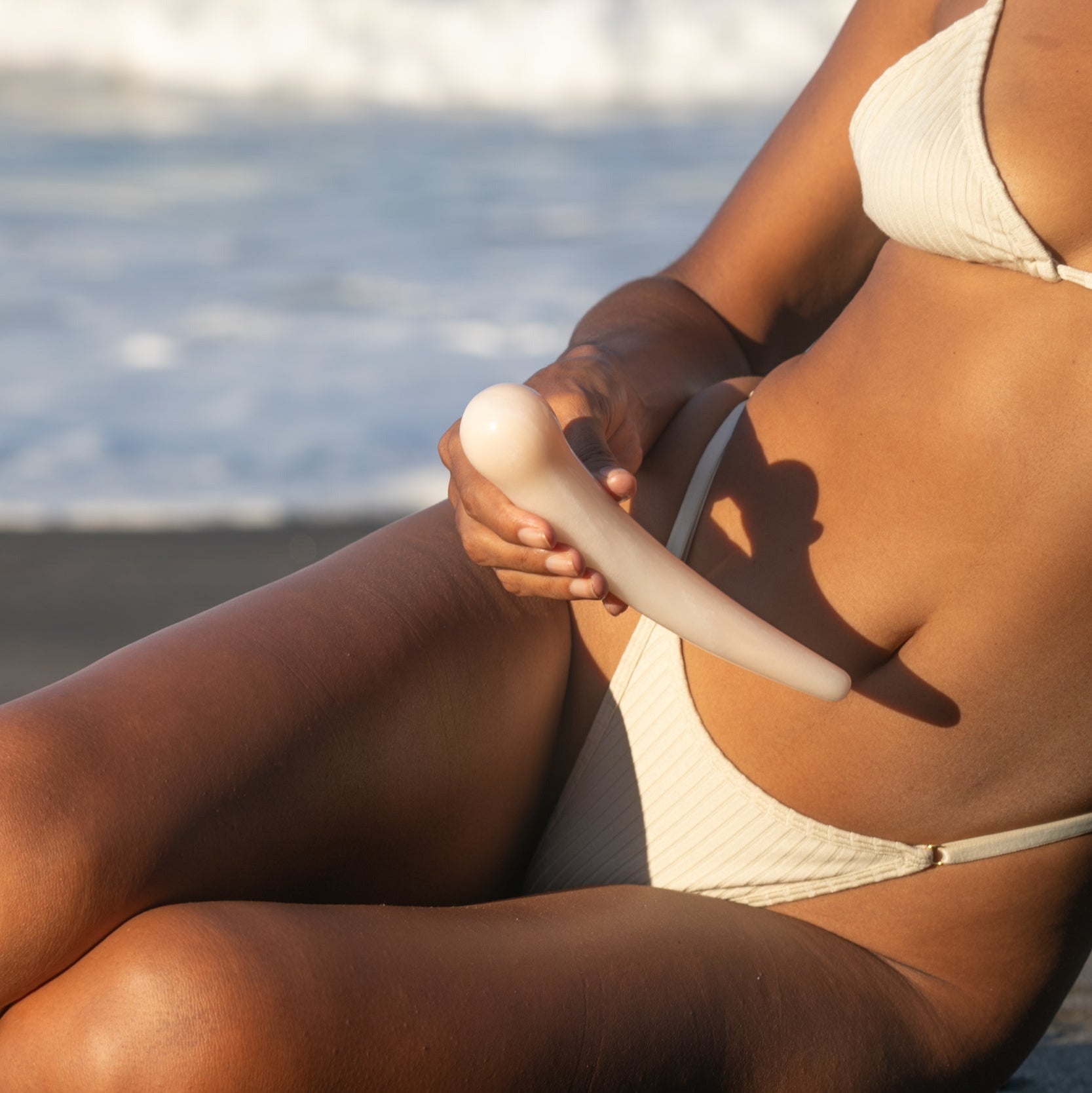
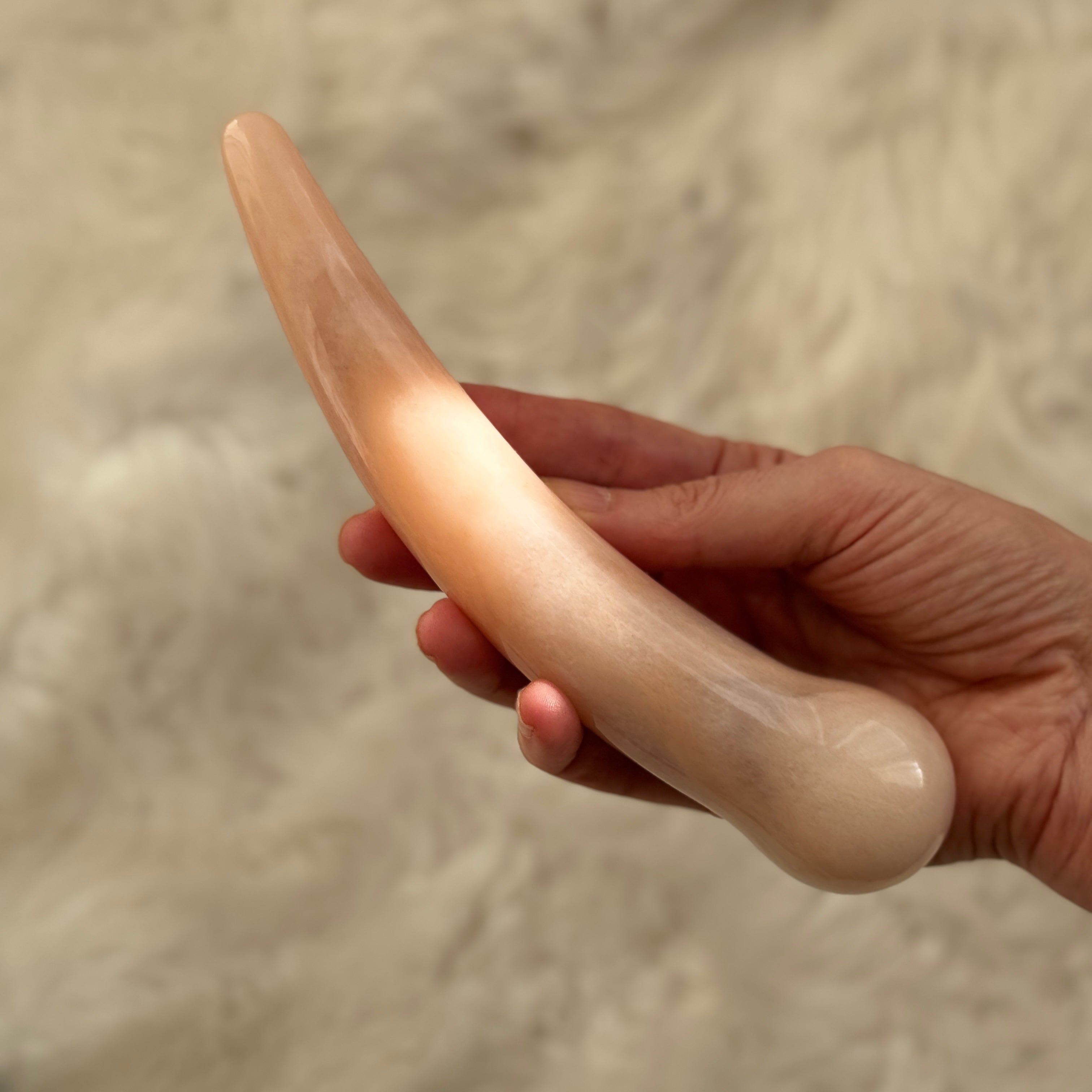
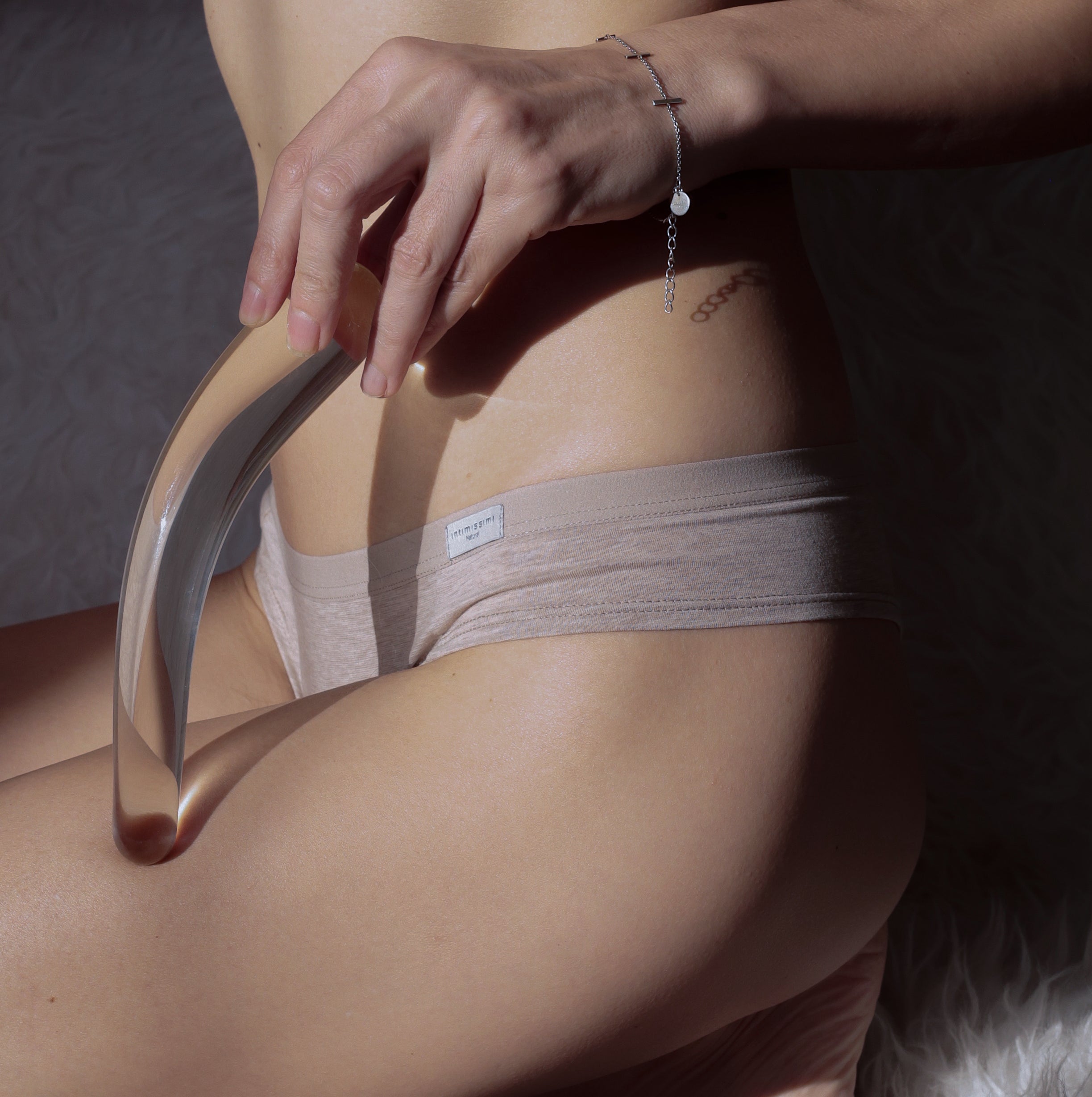
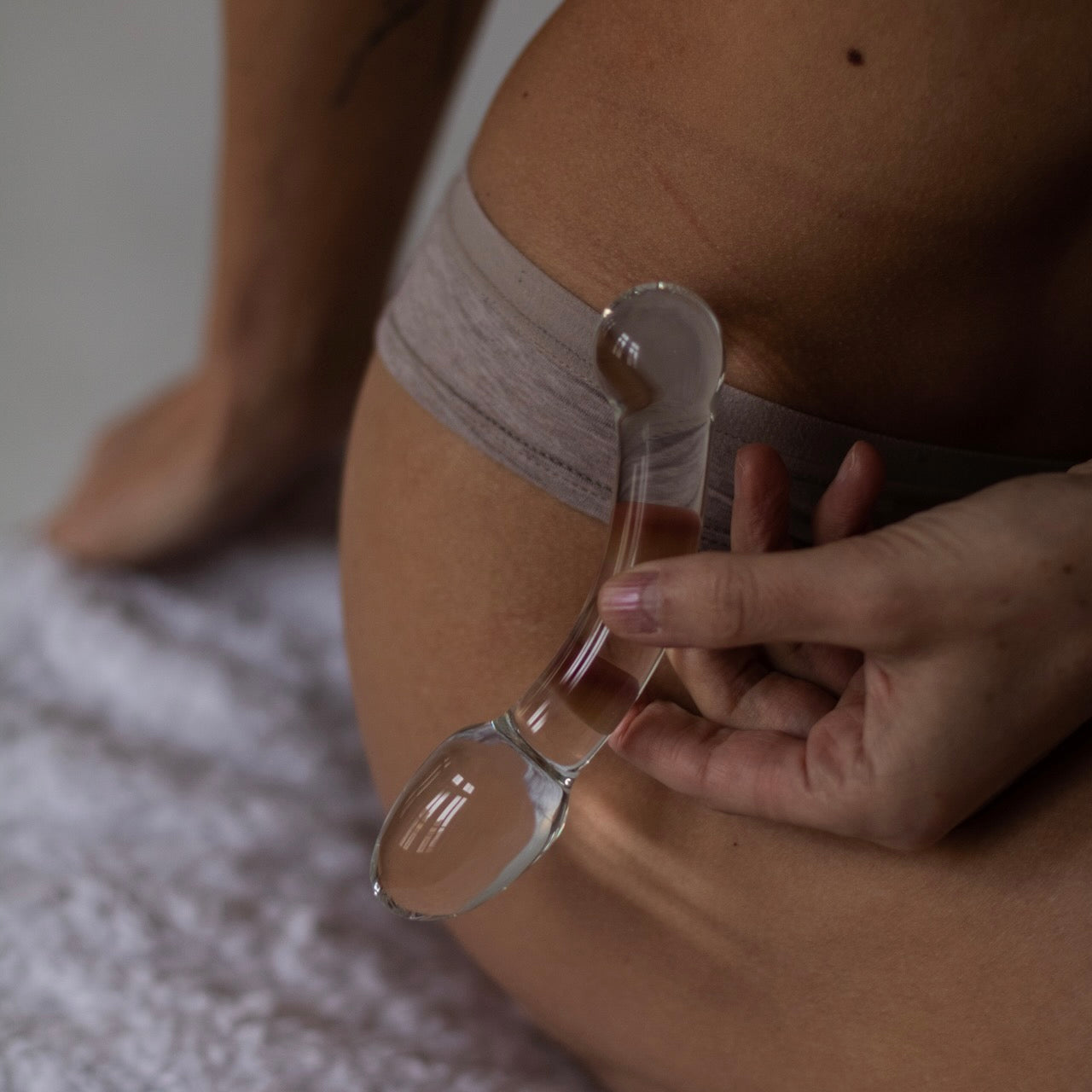
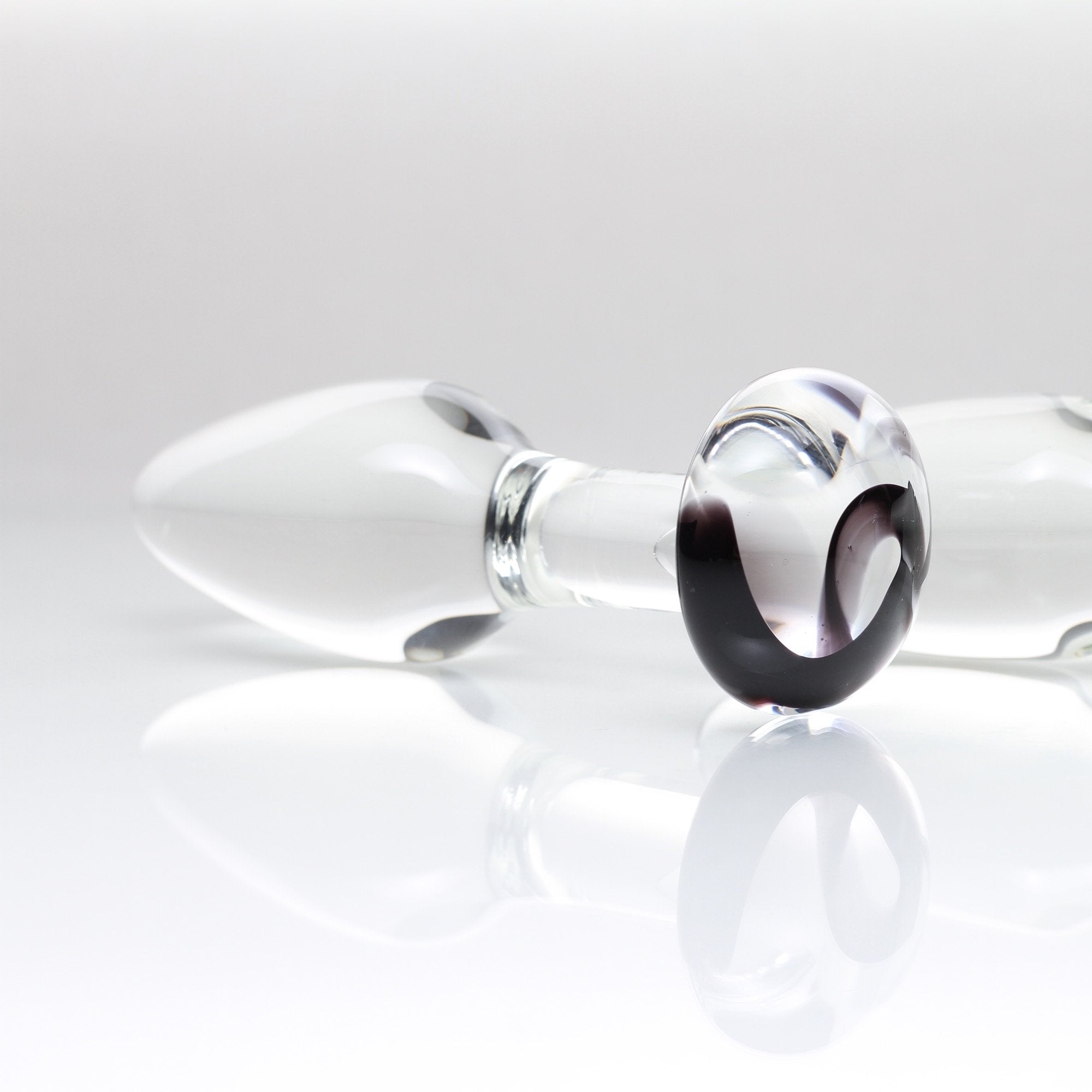
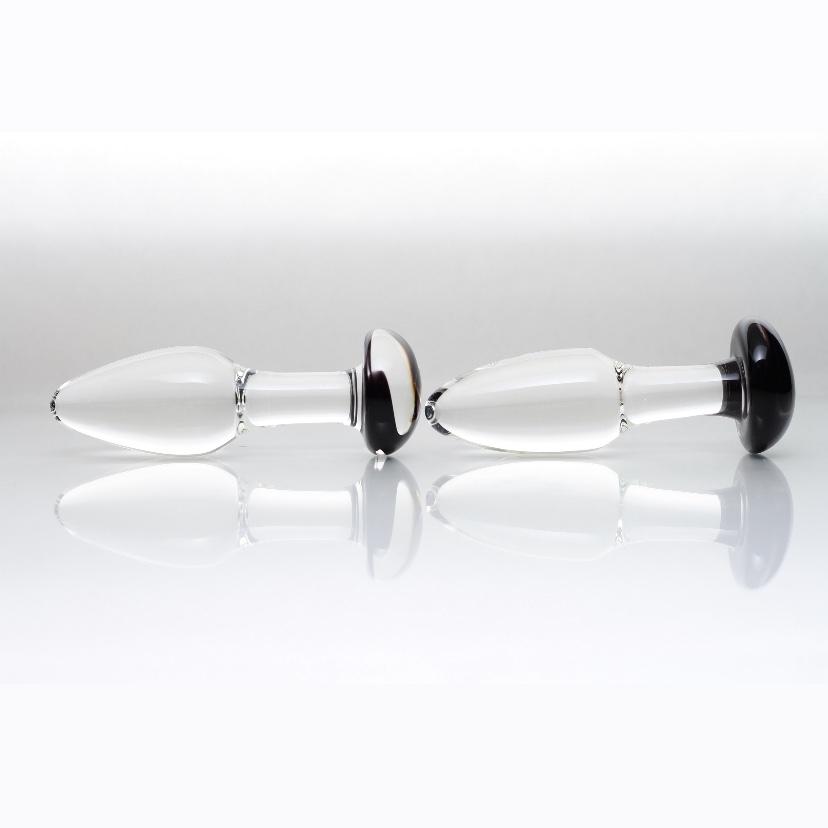
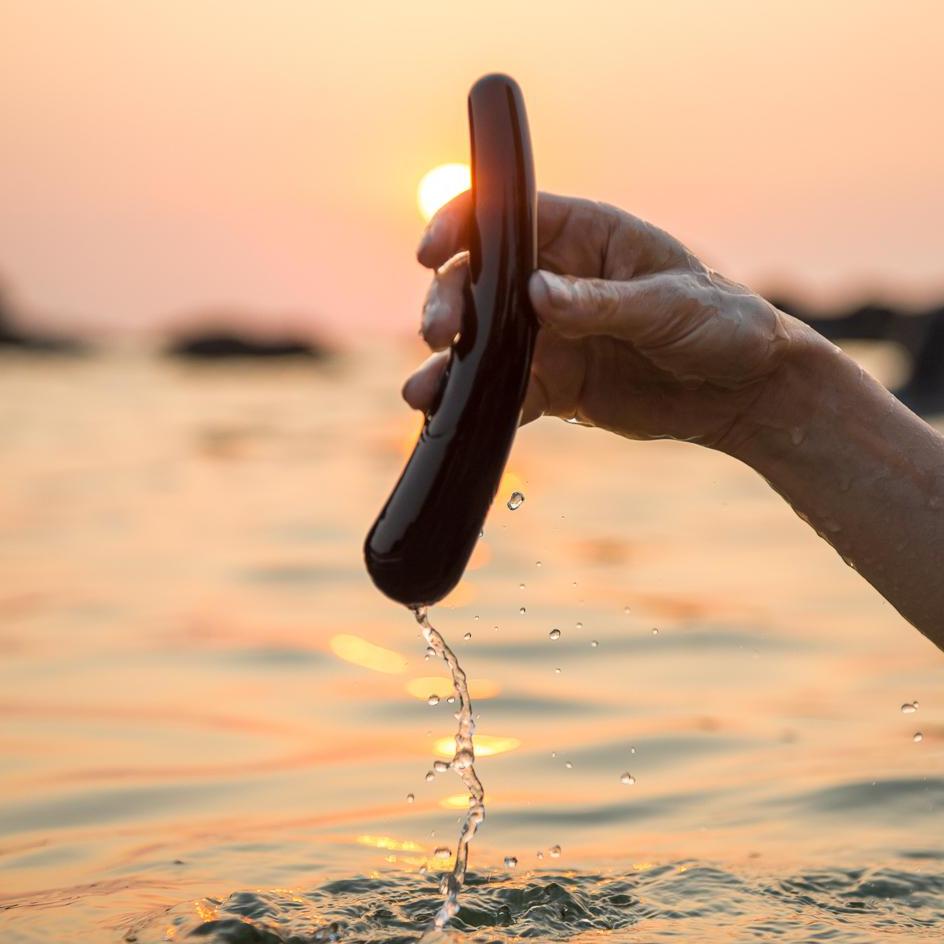
You can awaken your prostate/G-spot pleasure with gentle massage when you self-pleasure. You can use your fingers, but they can get tired quickly. The best way to awaken the prostate is to use G-spot toys and pleasure wands that are curved, hard, and with a little bulb/lip, allowing for gently massaging the back of the prostate.
These are the most popular toys for awakening the G-spot:
What makes these toys effective for G-spot stimulation specifically: they're made from hard, non-compressible materials (glass or stainless steel) that allow firm, targeted pressure without deflecting - and they're curved to reach the anterior vaginal wall without straining your wrist. Soft silicone vibrators, by contrast, compress under pressure and rarely deliver the sustained firmness the prostate needs.
7. G-spot Orgasms Can Be Deeply Emotional
The G-spot is attuned to our emotions, and orgasms from stimulating the prostate can be very emotional and overwhelming.
This isn't rare or unusual - it's anatomical. The pelvic nerve that innervates the female prostate connects directly to the emotional processing centres of the brain via the vagus nerve. G-spot orgasms can bring up tears, laughter, intense joy, grief, or a profound sense of release that has nothing to do with what's happening sexually. This is normal. Allow it.
8. G-spot Pleasure Takes Time - Much More Than Clitoral
G-spot orgasms take longer; most women are used to fast arousal and climax with vibrators at the highest speed, and when trying to explore the G-spot sensations, they give up before the G-spot can be fully aroused.
It can take 30-40 minutes to feel anything in the G-spot!
This isn't a sign that something is wrong - it's how the tissue works. The female prostate needs sustained, consistent stimulation to fully engorge and become sensitive. Patience here isn't just nice to have; it's the technique. If you've tried G-spot stimulation and felt nothing after 5–10 minutes, you simply haven't given your body enough time yet.
→ Technique matters too - see: Best Positions for G-Spot Stimulation (Solo and With a Partner) →
9. Gentle, Consistent Pressure - Never Vibration
The prostate is a highly sensitive soft tissue that responds to gentle, consistent stimulation. You do not want to overstimulate it, kill it with high vibrations, or be too rough with it. Remember: gentle, steady, and loving touch is what the prostate likes. Never vibrate the G-spot.
High-frequency vibration numbs the prostate tissue over time - a phenomenon sometimes called 'vibrator dependency', where the tissue becomes desensitised to subtler stimulation. The prostate responds best to rhythmic, firm pressure: the come-hither motion, sustained pressing, or slow rocking movements. Think massage, not buzz.
10. The G-spot Is the Source of Female Ejaculation
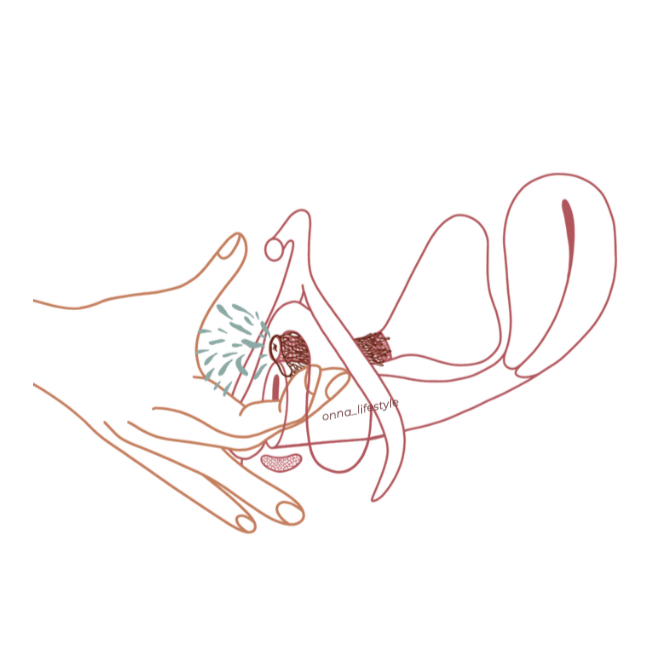
The female prostate is responsible for female ejaculation. The prostate produces and emits fluid that contains PSA (prostate-specific antigen). This fluid is what we know as female ejaculate. Anyone with a female prostate can squirt. You can read our guide to squirting/female ejaculation here.
This connection between the G-spot and squirting is direct and anatomical - the same tissue that produces pleasure sensations also produces ejaculate fluid. This is why G-spot stimulation is the most reliable path to female ejaculation, and why understanding your G-spot matters even if squirting isn't your goal.
→ Ready to go deeper? The Complete Beginner's Guide to Squirting & Female Ejaculation
TO LEARN MORE ABOUT THE FULL FEMALE PLEASURE ANATOMY SEE OUR GUIDE FEMALE PLEASURE ANATOMY 101
FREQUENTLY ASKED QUESTIONS ABOUT THE G-SPOT
The most commonly searched questions about G-spot anatomy, stimulation, and orgasm - answered plainly.
Is the G-spot real?
Yes - though it's better understood as a zone than a discrete anatomical spot. What we call the G-spot is the region where the female prostate (also called Skene's glands), the internal clitoral structure, and the urethral sponge all converge on the anterior (front) wall of the vagina. The sensitivity of this area varies between women and changes with arousal level, but the anatomy is consistent.
Where exactly is the G-spot?
Insert one or two fingers into the vagina with the palm facing up and curl them toward your navel. About 5–8 cm inside, on the front wall, you'll find a slightly ridged or spongy area - that's your G-spot. When unaroused, it may feel relatively flat and unremarkable. When fully aroused, it swells and becomes noticeably textured and pressure-sensitive.
Why can't I feel anything in my G-spot?
Three most common reasons: (1) insufficient arousal - the tissue needs to be fully engorged before it becomes sensitive; (2) using a toy that's too soft - silicone vibrators compress under pressure and can't deliver the sustained firmness the prostate needs; (3) not enough time - G-spot stimulation takes 20–40 minutes to build properly. Most women give up in the first 5–10 minutes. Our G-spot toy collection includes curved, firm wands specifically designed to address points 2 and 3.
What does G-spot stimulation feel like?
Most women describe G-spot sensation as deep, warm, and pressure-based - distinctly different from clitoral stimulation, which is sharper and more immediately intense. Early G-spot sensation often feels like a subtle pressure or a mild urge to urinate (because the prostate sits near the bladder). As stimulation continues and the tissue engorges, the sensation usually deepens into a full, warm pleasure that can become intensely orgasmic.
Can every woman have a G-spot orgasm?
The anatomy is present in every woman - the female prostate exists in all female bodies. Whether G-spot orgasm happens easily, takes practice, or requires specific conditions varies enormously. Factors that help: sustained arousal before penetration, the right tool, patience with the timeline, emotional relaxation, and familiarity with your own anatomy. Our complete guide to female pleasure anatomy is a good starting point for building that familiarity.
How is the G-spot connected to squirting?
The female prostate - your G-spot - produces the fluid released during female ejaculation. When the prostate is sufficiently stimulated and aroused, it fills with fluid that can be expelled through the urethra. This is squirting. G-spot stimulation is the most direct path to female ejaculation precisely because it targets the source of that fluid directly.