

How to Treat Vaginismus at Home: Dilators, Pelvic Wands, and a Step-by-Step Practice That Works
Medical Disclaimer: This article is for informational purposes only and is not a substitute for professional medical advice. Pelvic floor physical therapy is the most effective clinical treatment for vaginismus. The at-home practices described here are intended to complement, not replace, professional care.
Vaginismus can be treated at home through a combination of pelvic floor breathing, targeted relaxation exercises, and gradual desensitization using vaginal dilators or a smooth pelvic wand. The most effective approach combines all three in a consistent daily or several-times-weekly practice. Pelvic floor physical therapy alongside home practice produces the best outcomes, though at-home work alone can also lead to meaningful progress.
You know what vaginismus is. You know the muscles are guarding. Now the question is: what do you actually do about it, at home, today? The good news is that at-home vaginismus treatment works, and it does not require expensive equipment or clinical settings. What it requires is consistency, patience, and the right sequence. Here is everything you need to start.
Understanding What At-Home Treatment Is Actually Doing
Before jumping into steps, it helps to understand the goal. Vaginismus treatment is not about forcing the muscles open. It is about teaching the nervous system that penetration is safe, and giving the body repeated, gentle proof that nothing bad happens when you approach it slowly.
Vaginismus creates a self-reinforcing loop: the anticipation of pain creates tension, tension creates pain, pain deepens the anticipatory fear. At-home treatment interrupts this loop through three channels: breathwork to regulate the nervous system, movement to release physical holding patterns, and gradual exposure to desensitize the vaginal entrance. Progress is rarely linear. Some sessions will feel easy, some difficult, and returning to an earlier step after a hard week is not failure. It is how recovery actually works.
See more: What Is Vaginismus? Causes, Symptoms, and a Gentle Path to Healing
Dilators vs. Pelvic Wands: Choosing Your Tool
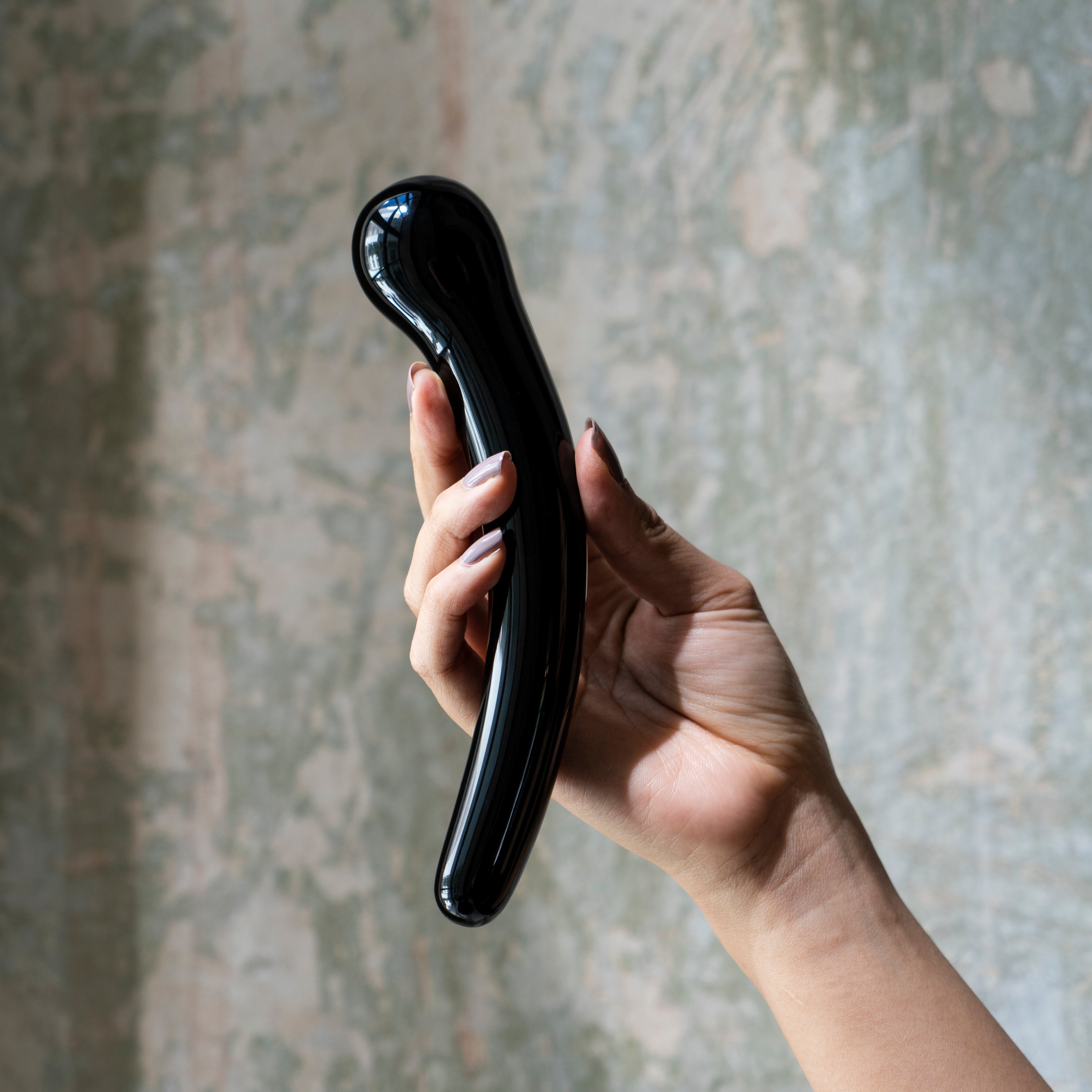
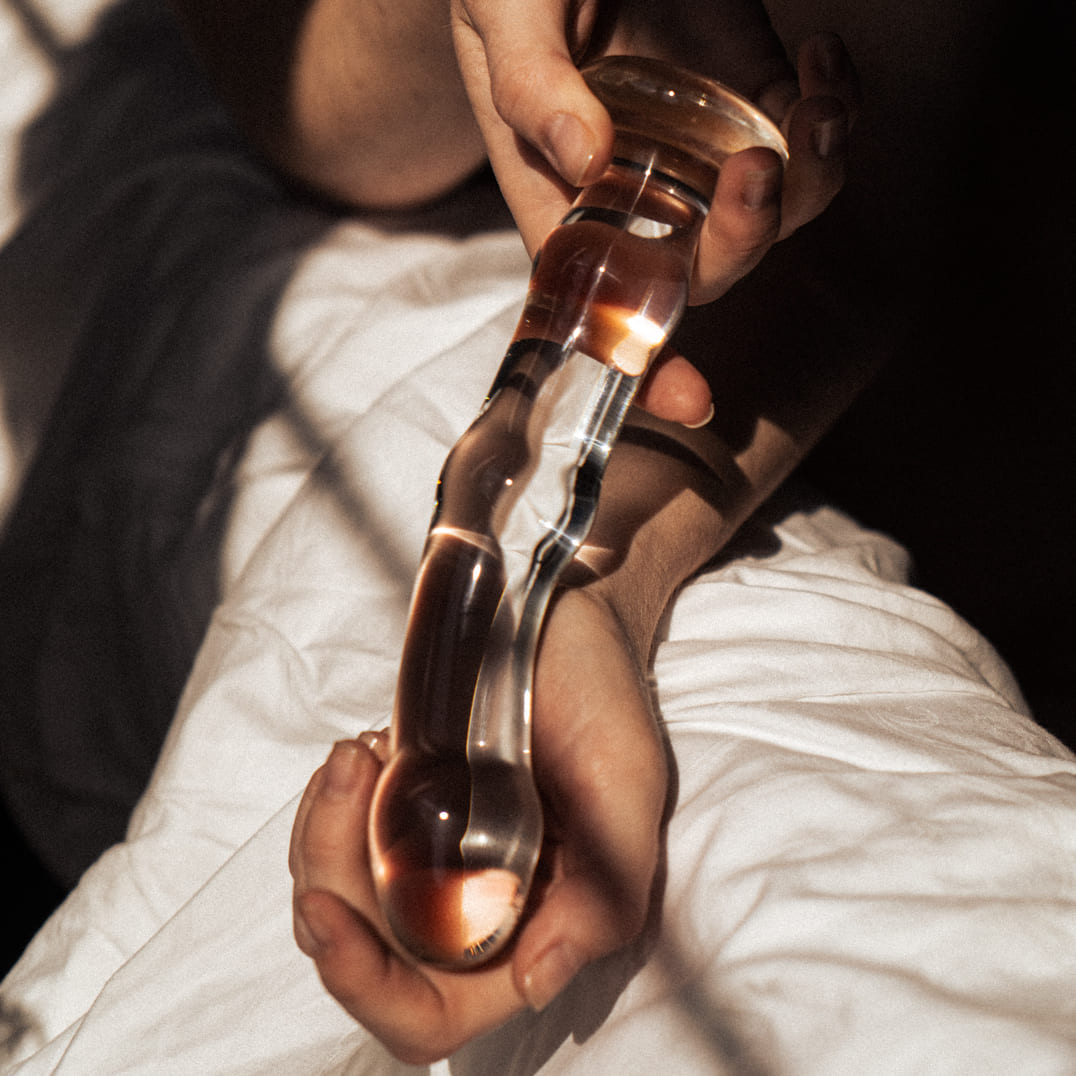
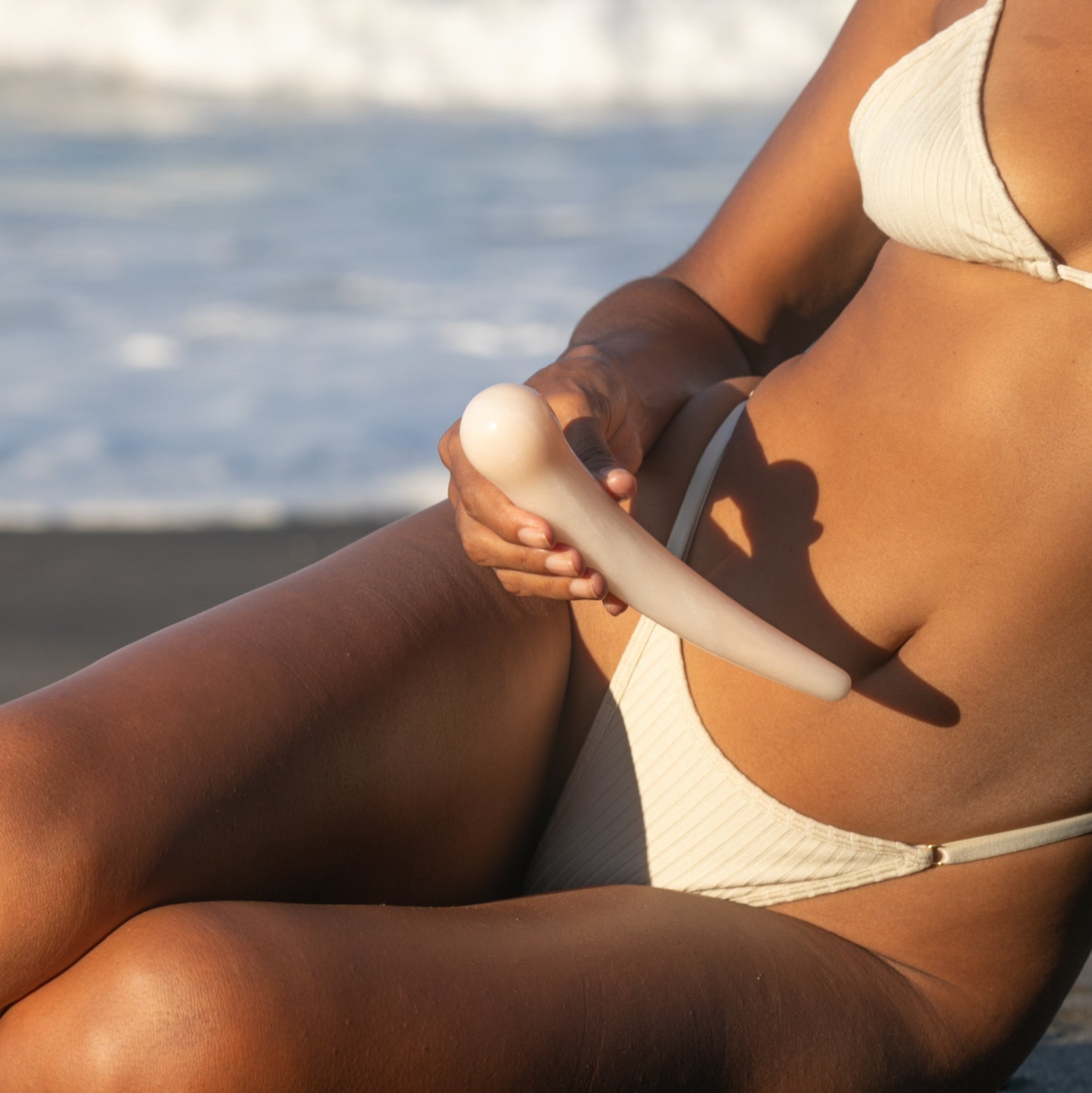
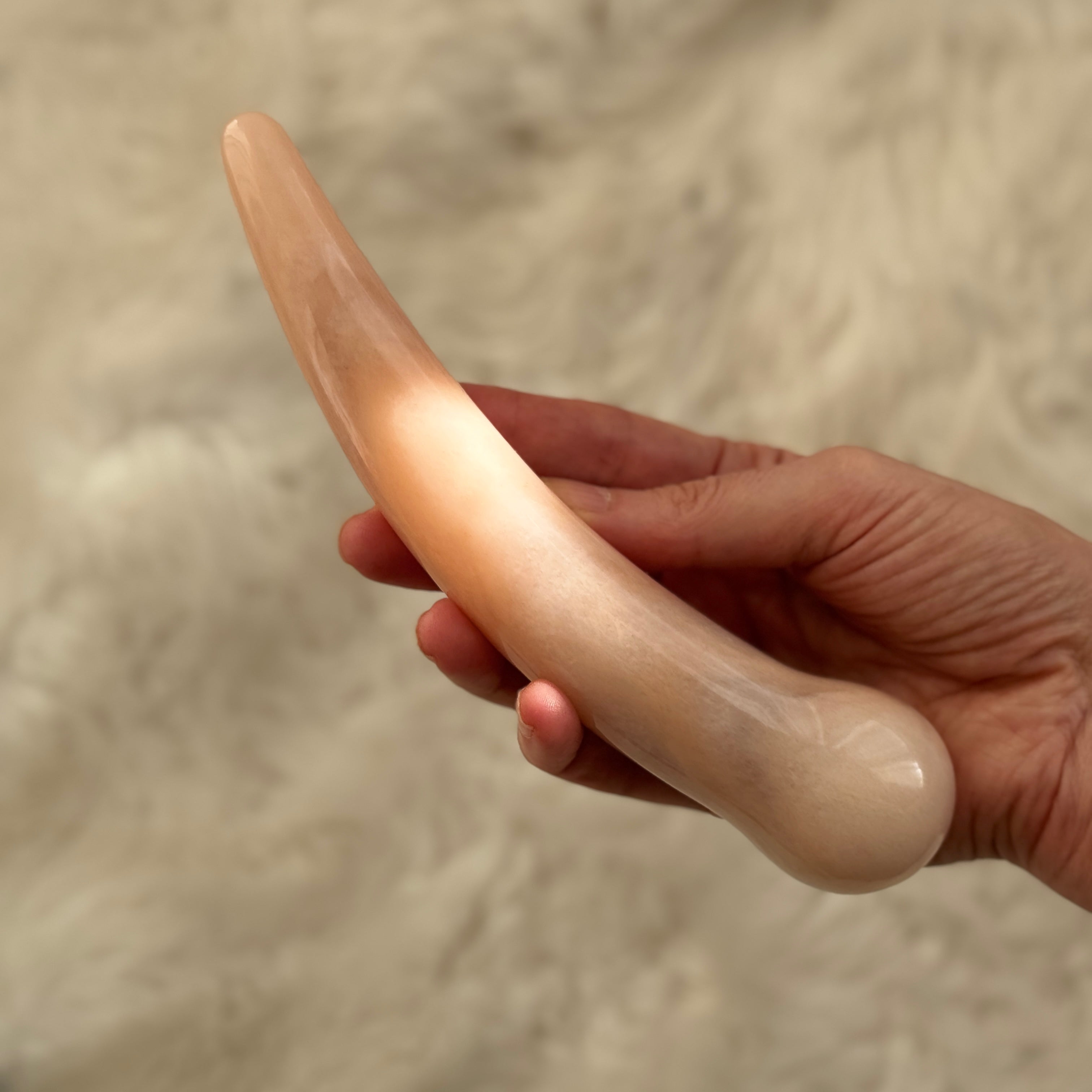
Two main tools are used in at-home vaginismus treatment: vaginal dilators and pelvic or glass wands. They work differently and suit different people. Understanding the distinction helps you choose with intention rather than defaulting to whatever appears first in a search.
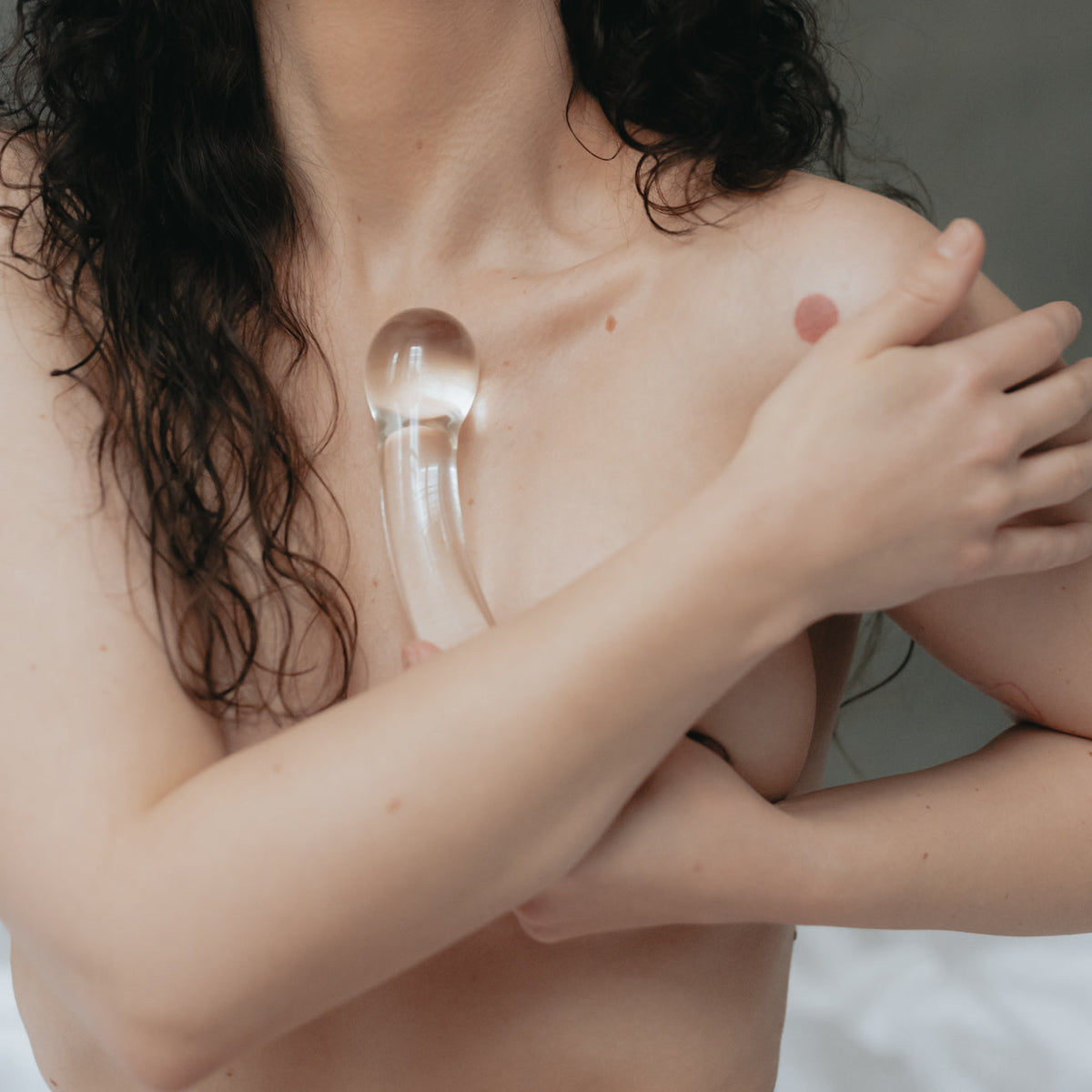
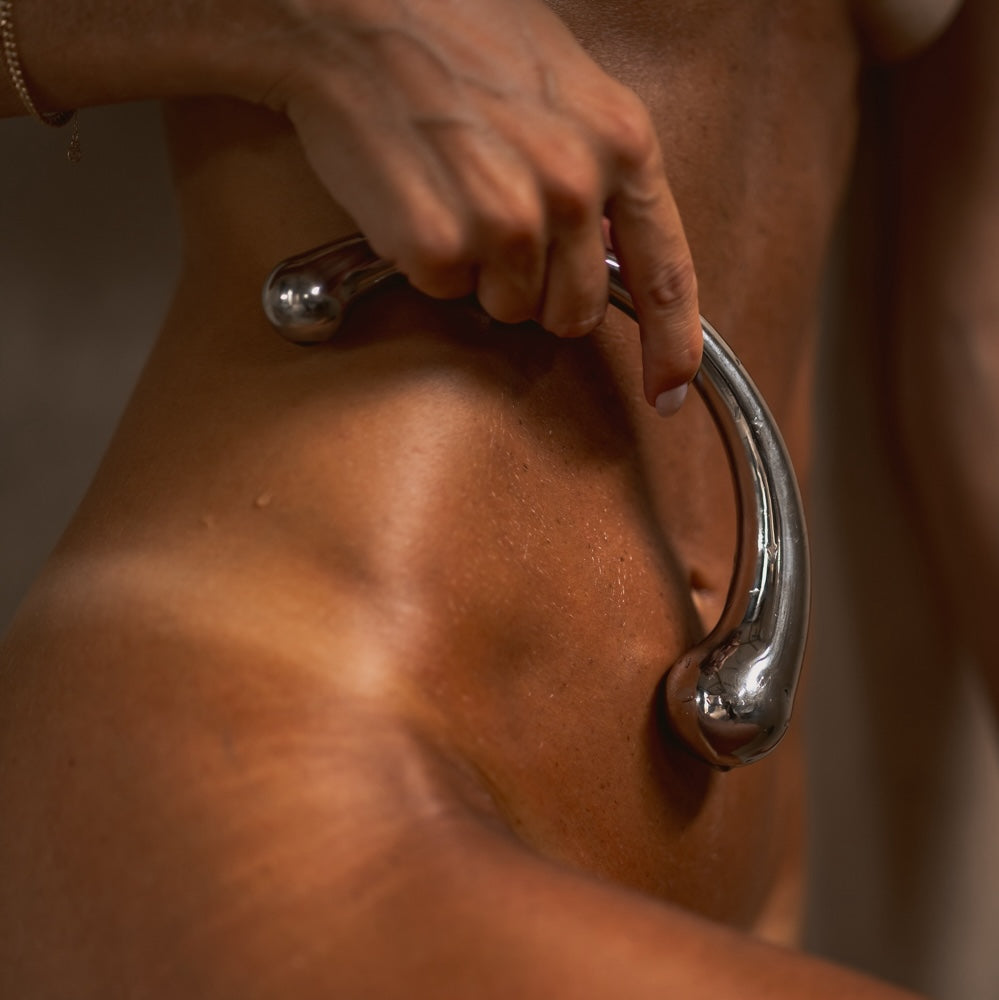
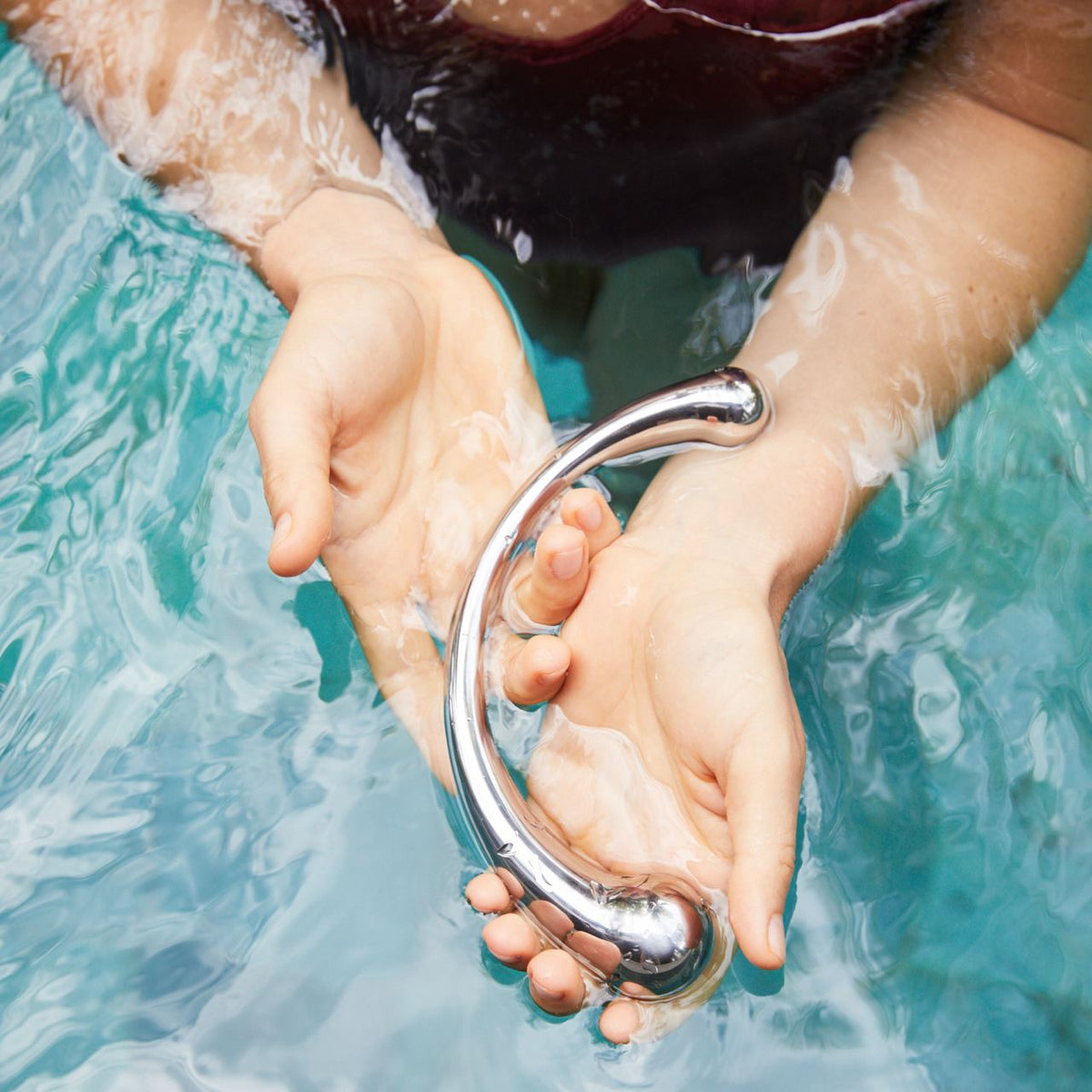
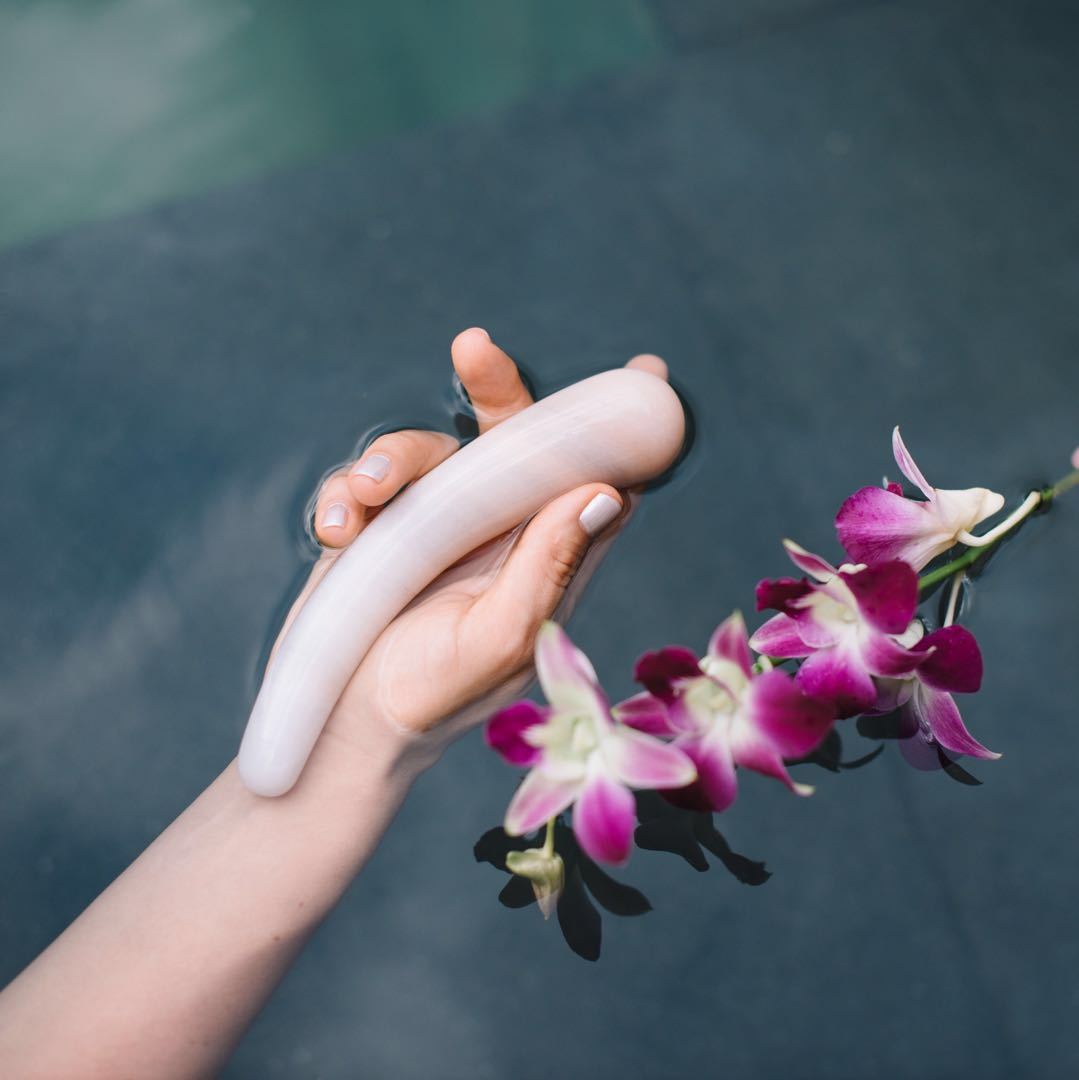
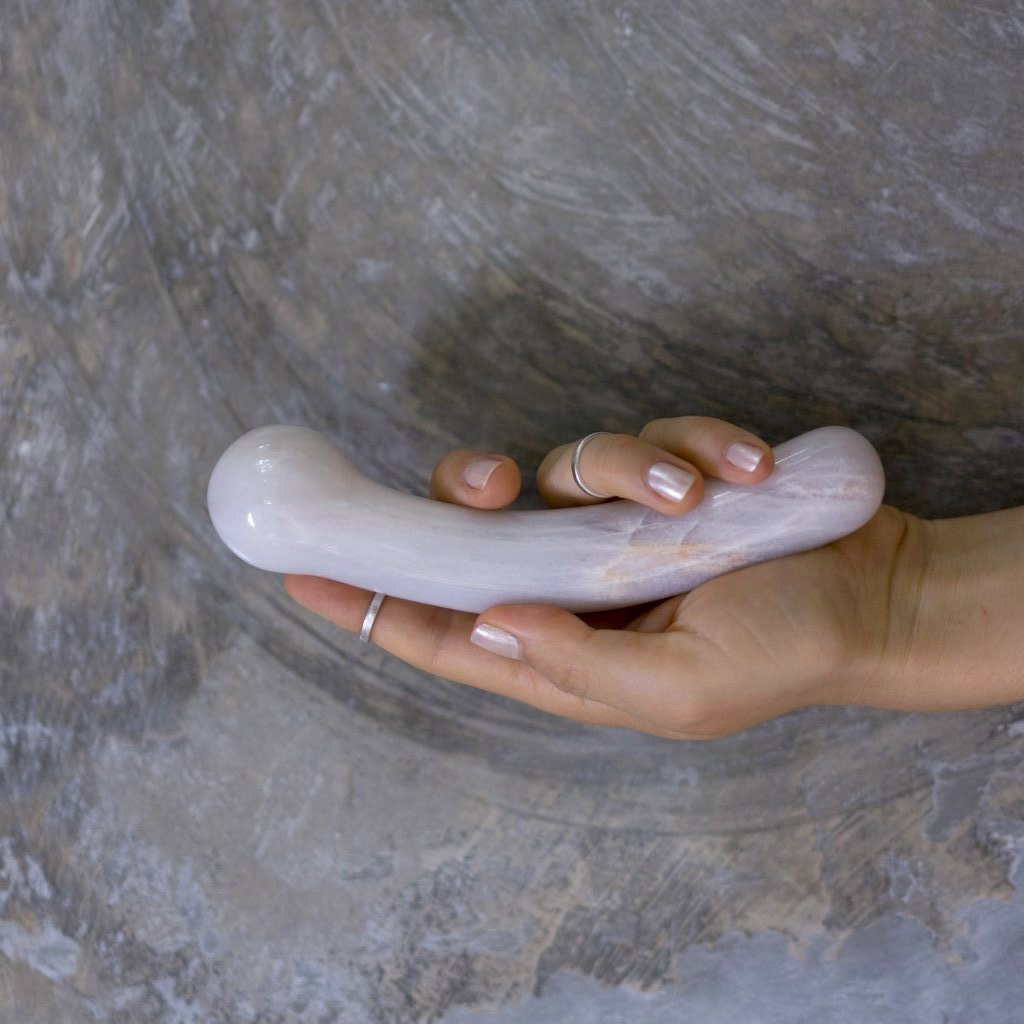
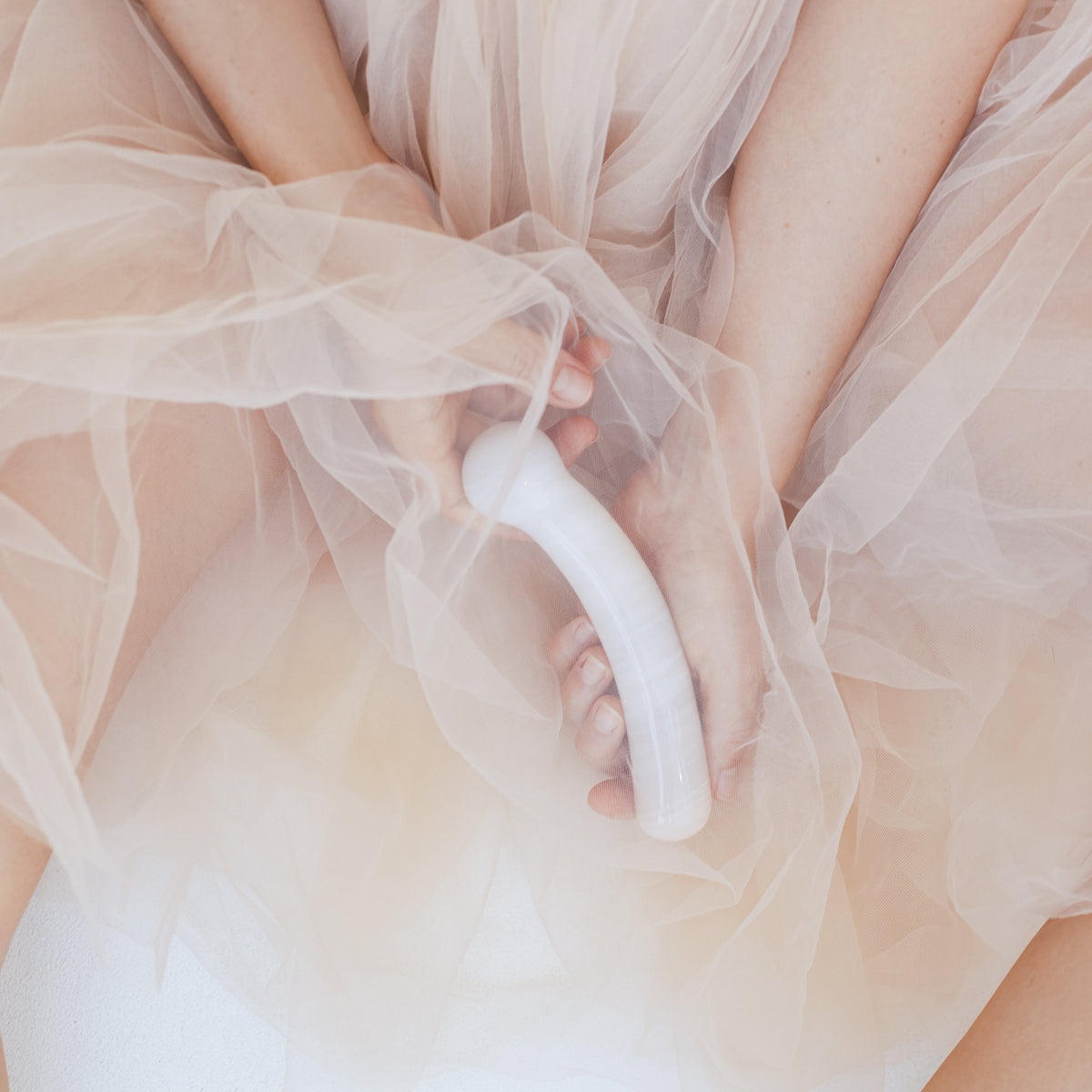
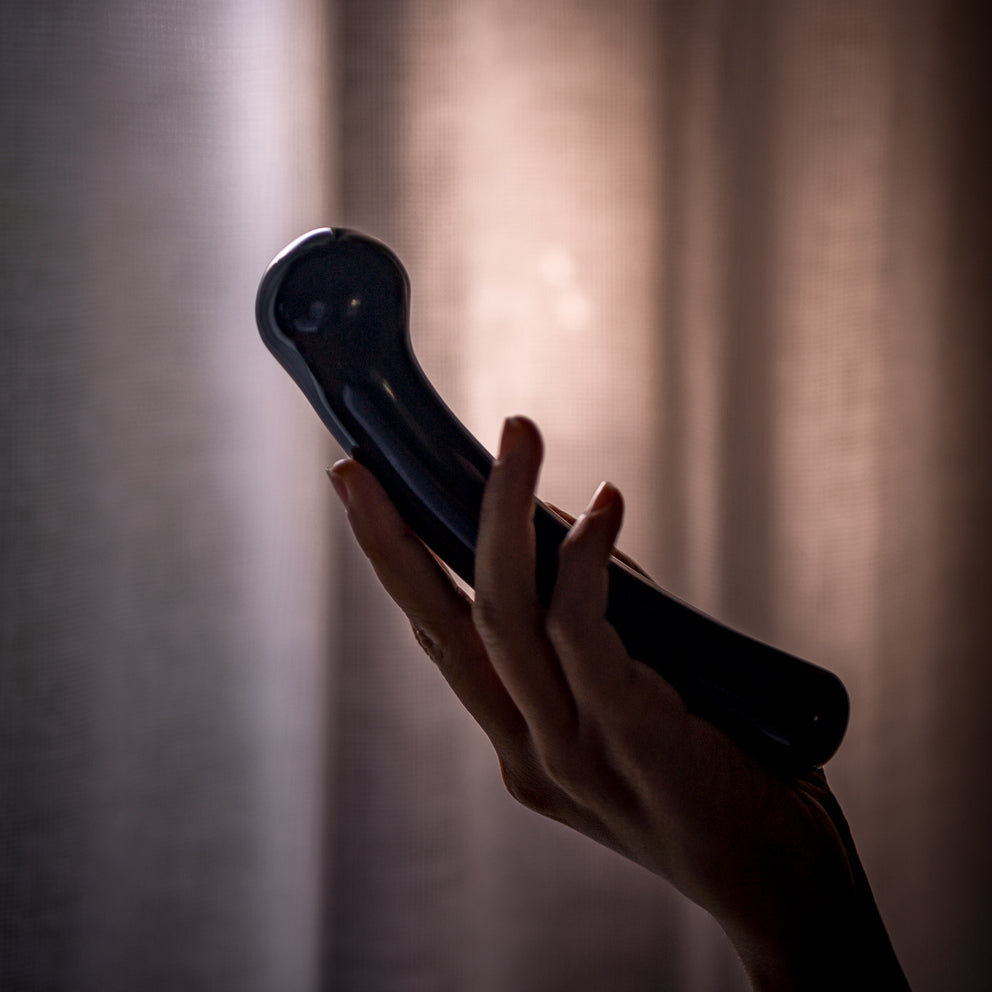
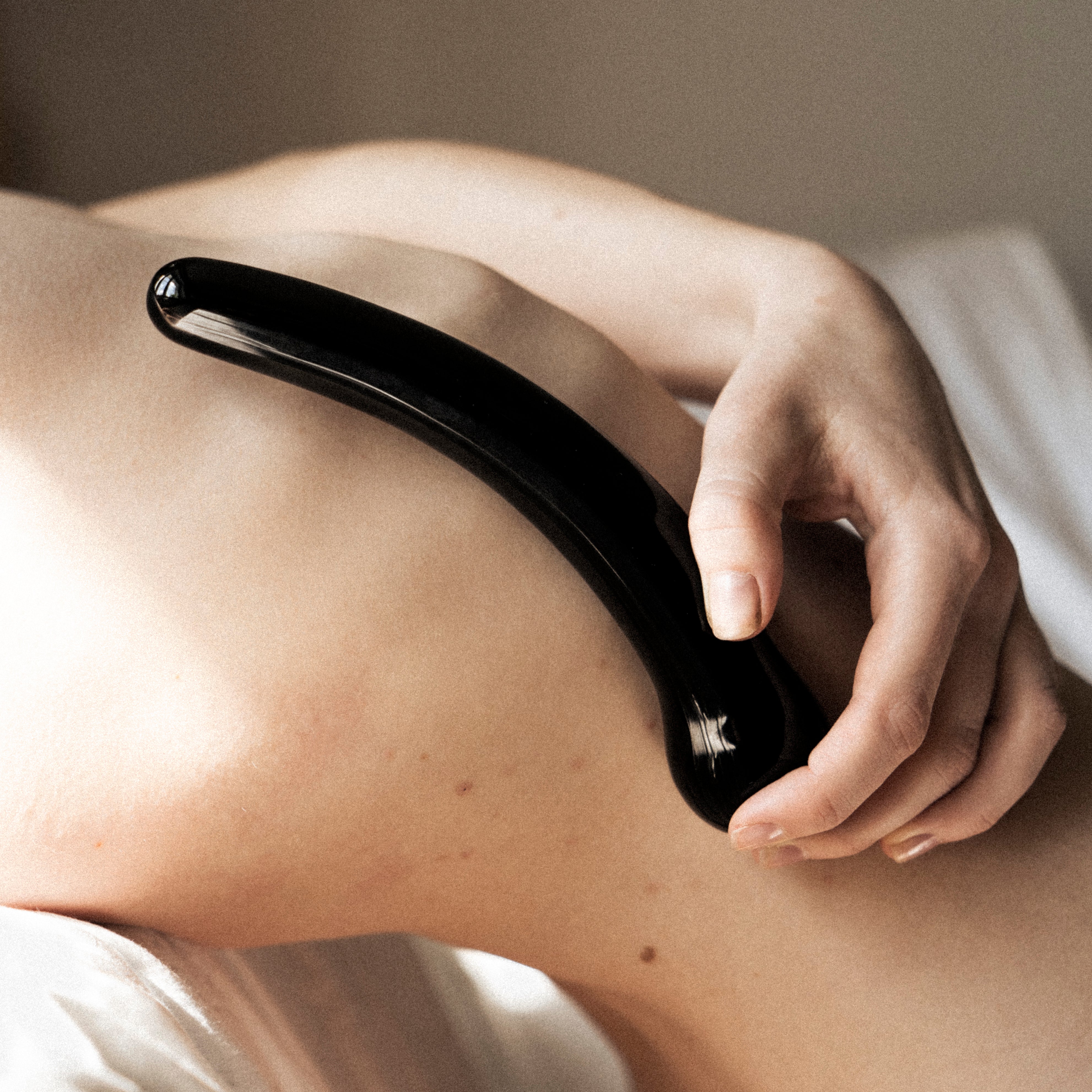
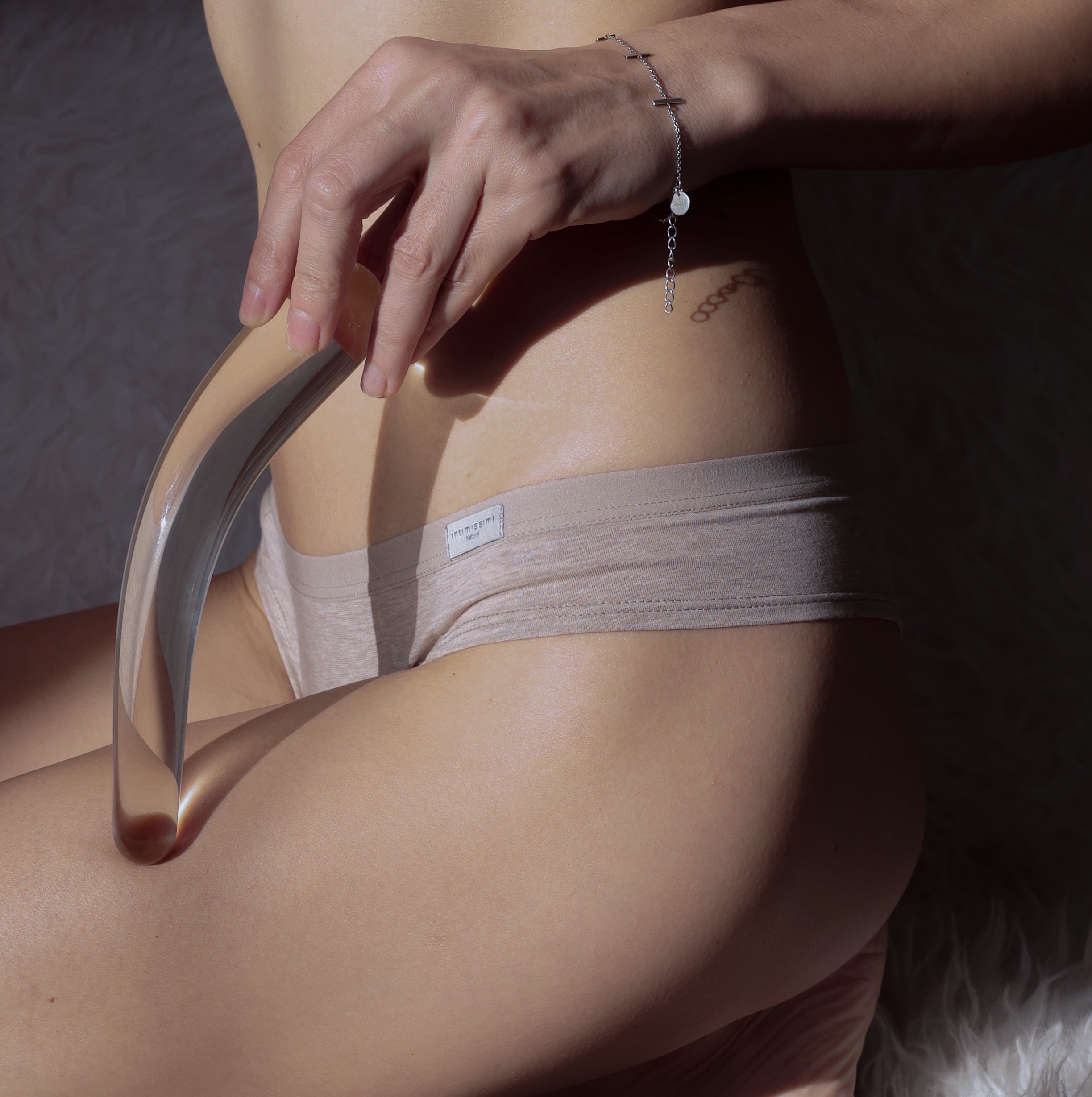
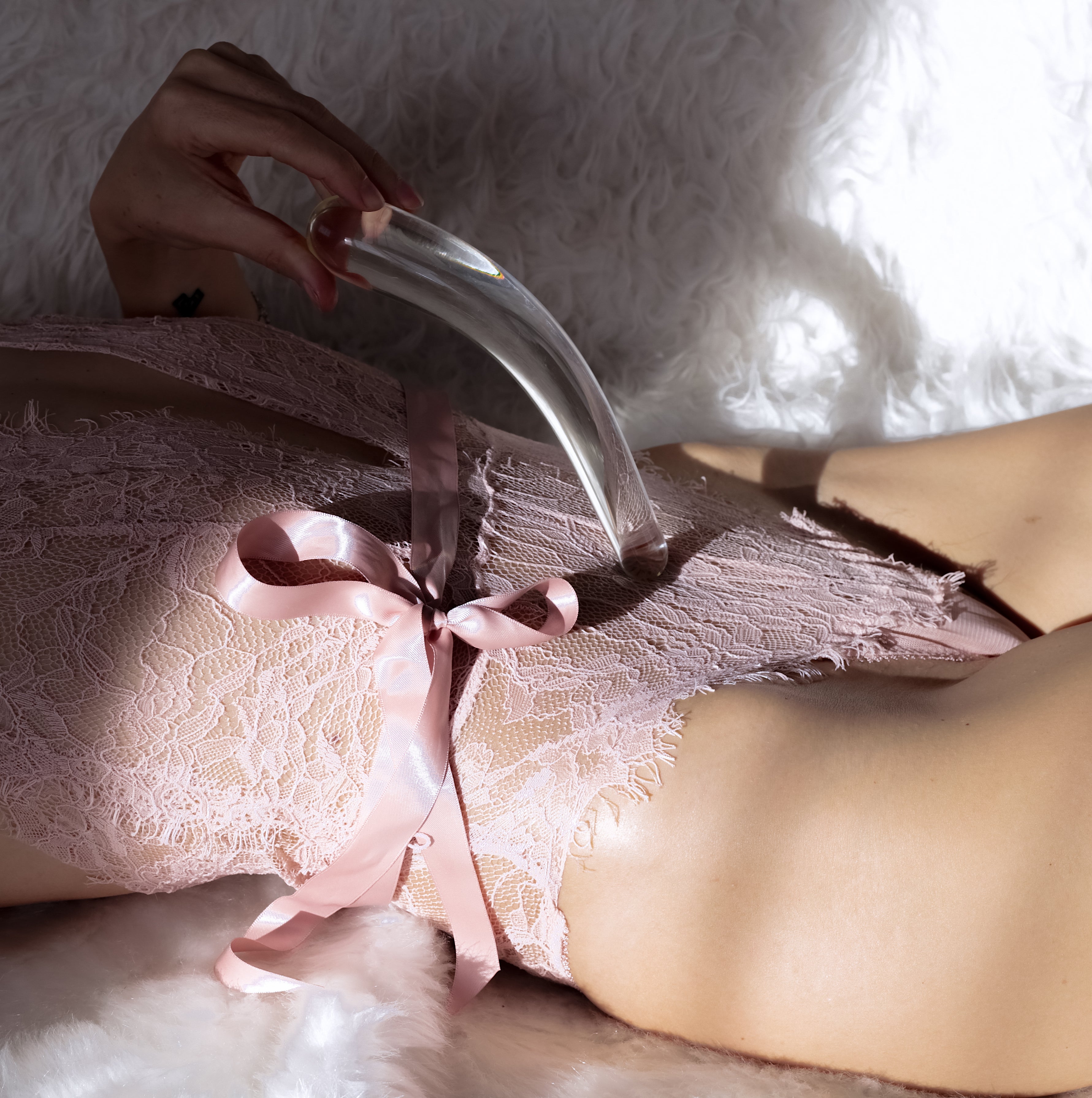
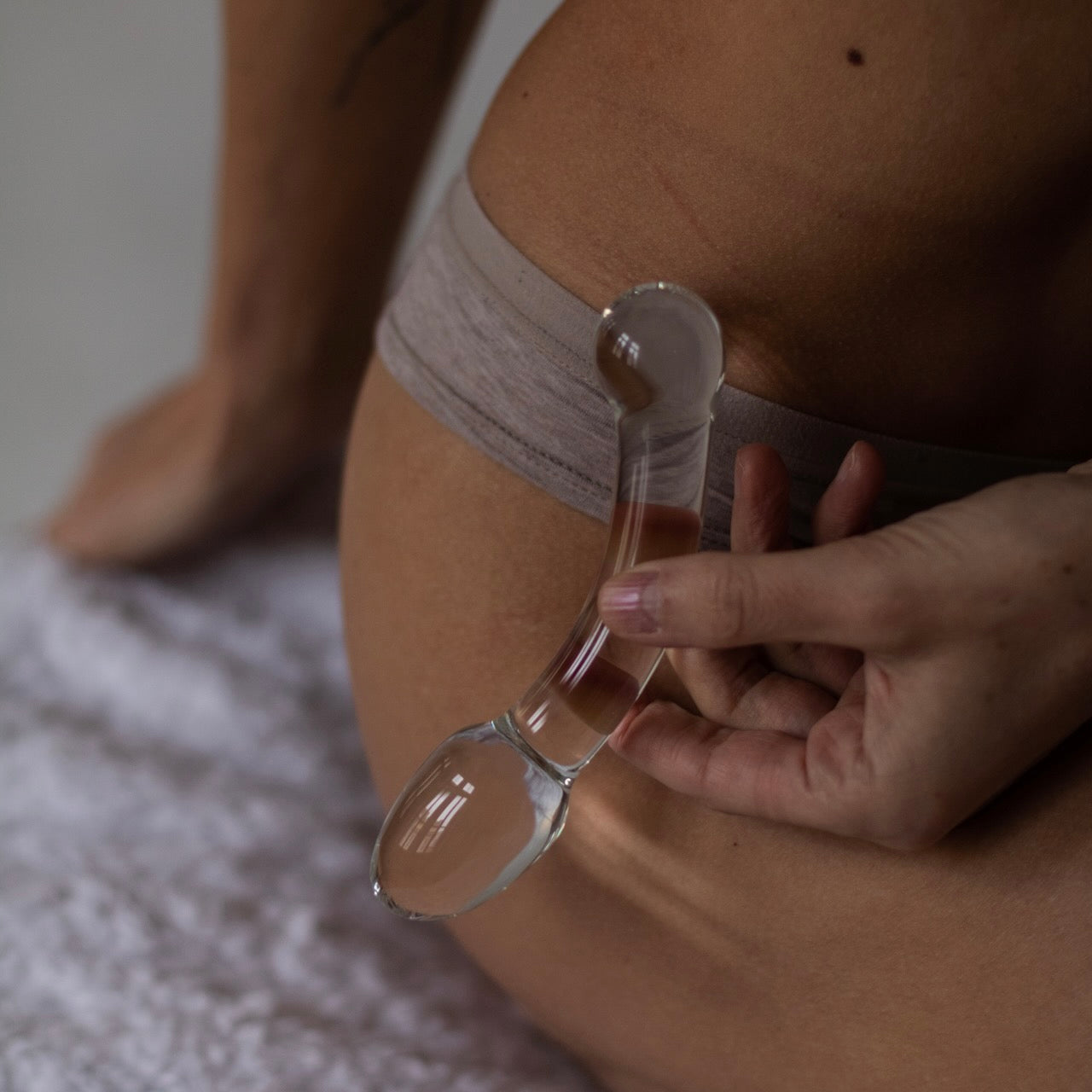
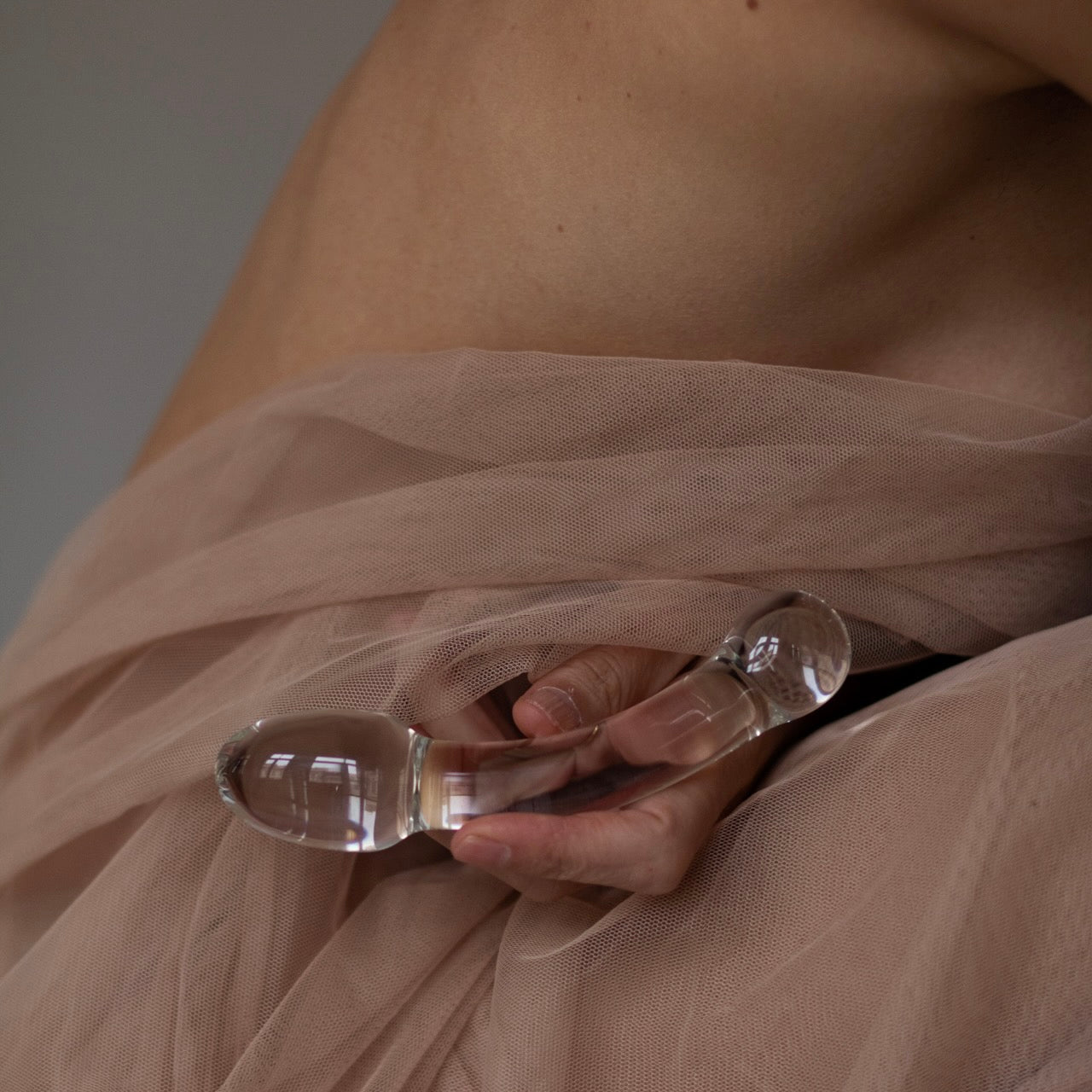
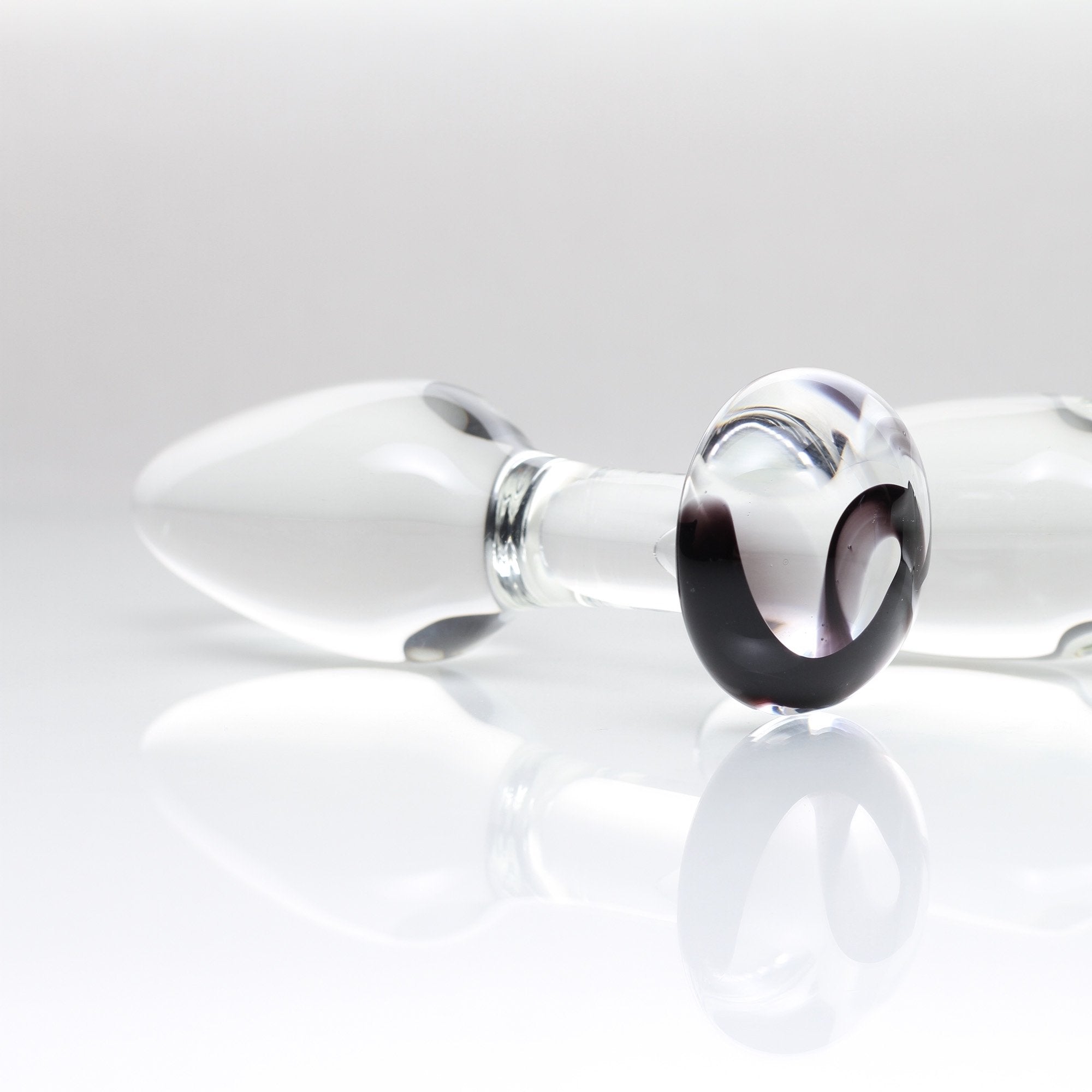
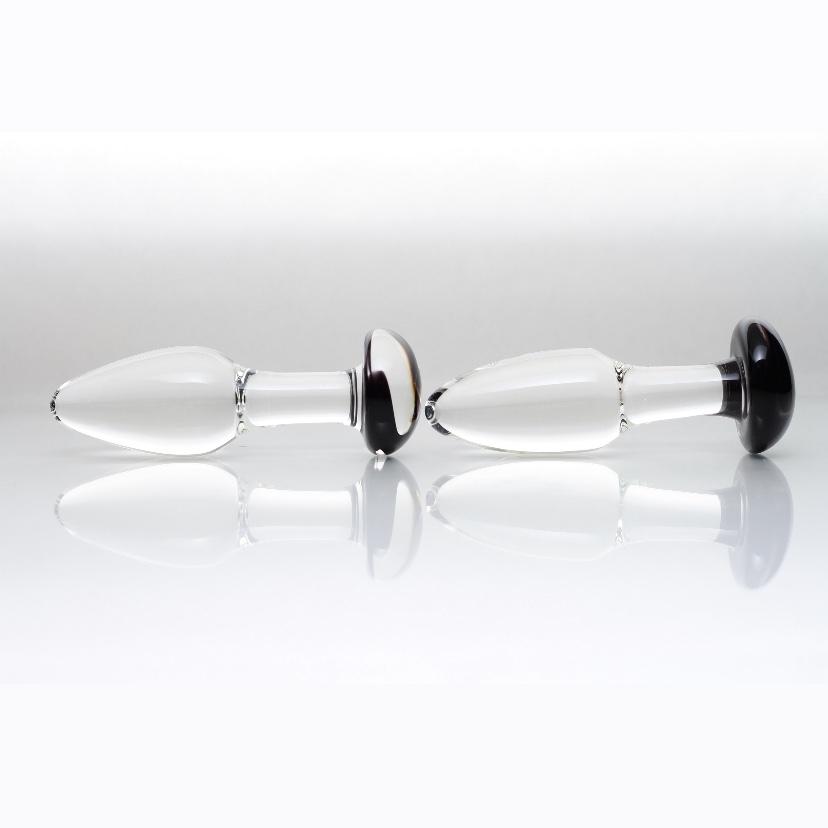
Dilators are designed for systematic size progression, which suits people who respond well to clear incremental goals. Glass wands work through warmth, weight, and steady pressure, making them well suited to the earliest stages of desensitization or as a companion alongside dilator work. Many people find a glass wand less clinical in feel, which helps when anxiety around penetration is high. Most people benefit from using both over the course of treatment.
ONNA's Cervix and Pelvic Wands are made from medical-grade borosilicate glass, slim, smooth, non-porous, and fully sterilizable between sessions.
Step 1: Pelvic Floor Breathing
Every at-home vaginismus session begins with breathing. Not as a warm-up ritual, but as the actual mechanism of muscle release. The pelvic floor responds directly to the breath, and building this skill is the most important thing you can do before any tool is introduced.
Lie on your back with your knees bent and your hands resting on your lower ribcage. Inhale slowly and feel your ribcage expand outward. As you exhale, consciously soften and release the pelvic floor downward. The goal is not to push or bear down, but to let go of the habitual gripping. Imagine the muscles at the vaginal entrance gently opening with each exhale and returning to neutral with each inhale. Spend two to three minutes on this before doing anything else. Over time, you will be able to feel a clear difference in the pelvic floor between held and released. That distinction is the foundation everything else is built on.
Step 2: Pelvic Floor Release Exercises
After breathing, these movements deepen the pelvic floor release before any tool is introduced for vaginismus practice. They are not general fitness exercises. Each one specifically lengthens the pelvic floor.
Child's pose is one of the most effective. Kneel on the floor, fold forward, and extend your arms in front of you with your forehead resting down. Breathe deeply into the back of your pelvis for five to ten slow breaths.
Happy baby is done lying on your back. Pull your knees toward your armpits and hold the outer edges of your feet. Rock gently from side to side. The pelvic floor naturally lengthens in this position without any effort on your part.
The deep squat is powerful for pelvic floor lengthening. If you can hold a squat position comfortably, stay there for 60 to 90 seconds while breathing slowly into your ribcage. A yoga block or rolled blanket under your heels helps if the position is difficult.
A note on kegel exercises: in vaginismus treatment specifically, strengthening exercises can increase tension in muscles that are already chronically guarding. Pelvic floor release is the priority in this phase of treatment.
See more: What Causes Vaginal Atrophy? A Clear Look at Every Trigger (relevant for those managing both conditions simultaneously)
Step 3: Introducing Your Wand or Dilator
After breathing and movement, the nervous system is calmer and more ready for the desensitization work that is central to vaginismus treatment. This is when you introduce the tool, and the pace here matters more than anything else.
Preparing Your Tool and Yourself
Apply generous lubricant before you begin. With a glass wand, run it briefly under warm water first. This is not just about comfort, though it helps significantly. Warm glass against the vaginal entrance communicates safety to the nervous system in a way that cold or room-temperature materials do not. Warm tissue is also more receptive tissue, which makes the initial contact easier and the session more effective. ONNA's Pelvic and Vaginal Pain Relief collection includes tools and intimate care products designed for exactly this kind of gentle, intentional practice.
First Contact
Begin at the vaginal entrance and stop there. The goal of your first vaginismus treatment sessions is not full insertion. It is learning what comfort at the entrance feels like. Rest the tip of the wand or the smallest dilator gently at the introitus and breathe through several full cycles. For many people, simply holding the tool at the entrance while breathing is the entire session for the first week, and that is exactly right. If you feel sharp pain, pause and breathe through it. If it does not ease within a minute or two, remove the tool and end the session without judgment. Return the next time.
Progressing Within a Session
If the entrance feels comfortable after several breath cycles, allow the tool to advance slightly with the exhale, millimeter by millimeter rather than all at once. Pain should remain at or below a four out of ten throughout. Once inserted to a comfortable depth, you can leave it in place while continuing to breathe for up to ten to fifteen minutes, or gently roll it side to side to apply varying pressure. The session ends when you feel ready to finish, not when a timer goes off. Not sure how to choose the right wand size or shape for where you are in this process? Pleasure Wands 101 covers selection in detail.
A Realistic Timeline for Progress
Having a general orientation for timelines helps manage expectations without creating pressure. The ranges below reflect typical experience, not a schedule to measure yourself against.
Most people notice meaningful change within six to eight weeks of consistent practice. Some progress more quickly, others more slowly, and both are normal. Returning to an earlier stage after a hard session does not reset your progress. It is part of how the nervous system learns.
When You Feel Stuck
Almost everyone working through vaginismus hits a wall at some point. A size that will not advance. A week where even the breathing feels hard. A session that goes in the wrong direction. None of this means treatment is failing.
The most common stuck points are the transition from the smallest to the second dilator size, and around the six to eight week mark when initial momentum slows. When this happens, try shortening sessions rather than pushing through. Try a different time of day when your body is less tense. Try returning to the tool at the entrance only, with no expectation of advancing. If you have been consistent for two to three months with no progress at all, pelvic floor physical therapy adds significant value. Internal manual release from a qualified PT can address holding patterns that no tool can reach.
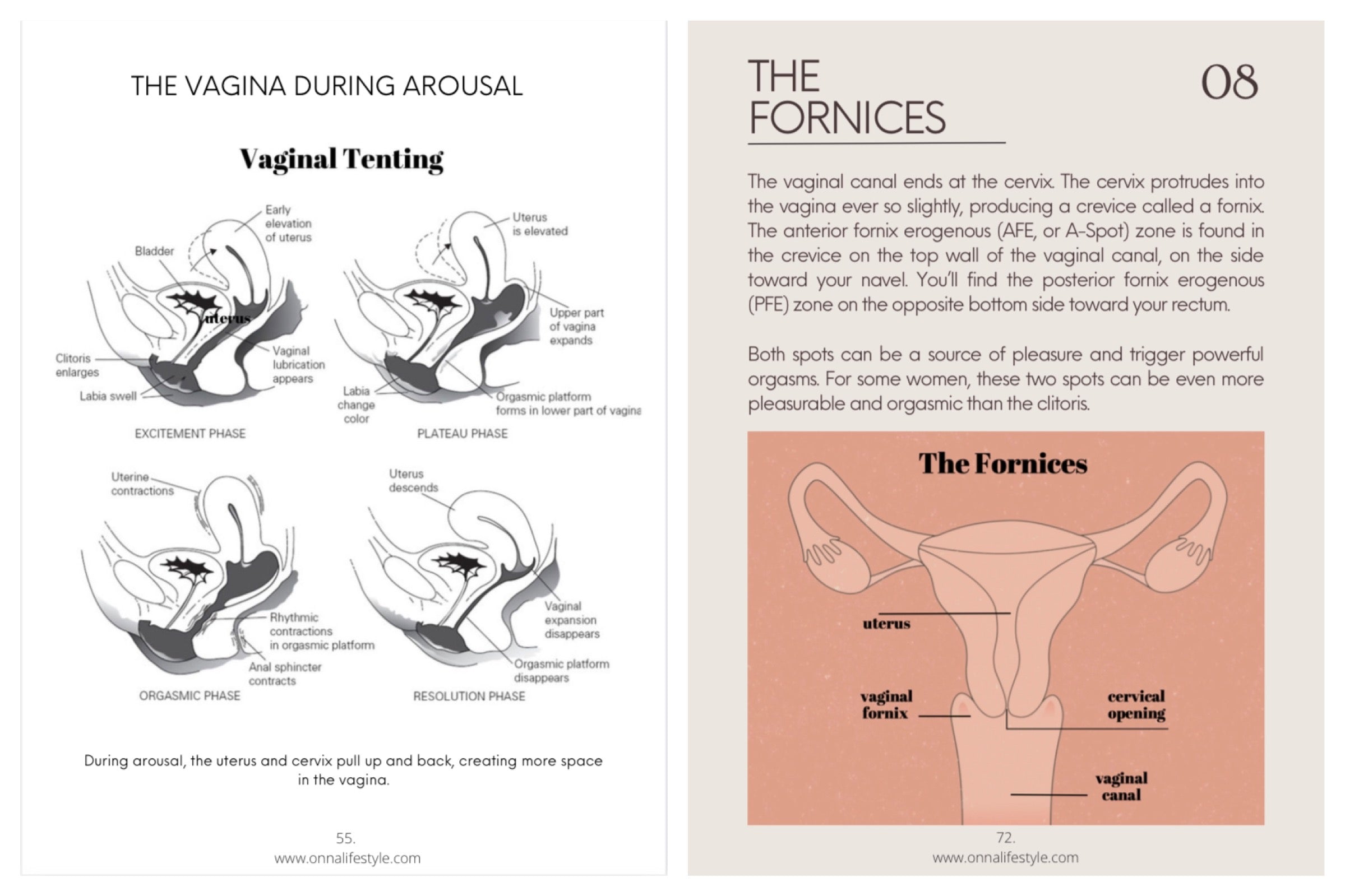
Understanding your anatomy before beginning internal work can also help. The Female Pleasure Anatomy 101 page is a good foundation to build from.
Frequently Asked Questions
How long should each session be?
Ten to fifteen minutes of tool use is a good target for vaginismus sessions, preceded by five minutes of breathing and five to ten minutes of release exercises. Shorter sessions done consistently are more effective than long, infrequent ones.
Can I use a glass wand instead of a dilator for vaginismus?
Yes, particularly in the early stages. A glass wand offers warmth and pressure-based release that many people find less clinical and more approachable than graduated dilators. Both tools are valid, and many people use both over time.
How do I know when to move to the next dilator size?
When the current size feels genuinely comfortable, not just tolerable, for the full session duration on multiple consecutive occasions. Moving up before readiness resets progress. There is no minimum timeline for advancement.
Should I practice every day?
Several times a week is more sustainable than daily for most people. Consistency over time matters more than frequency. Rest days allow the nervous system to consolidate and integrate progress from previous sessions.
Can vaginismus be fully treated at home without a physiotherapist?
For many people, yes. Practicing at home can lead to real, lasting improvement with vaginismus. For some, a professional assessment can be helpful, particularly if progress is slow, symptoms are persistent, or there may be other factors contributing to the pain or muscle tension. A pelvic floor physiotherapist or other qualified professional can help identify what may be getting in the way and offer personalized guidance alongside home practice.
What lubricant works best with dilators or a glass wand?
Water-based lubricants without glycerin are the safest choice for sensitive tissue. Glass is compatible with all lubricant types including silicone and oil-based. Apply more than feels necessary, and reapply during longer sessions.
Conclusion
Treating vaginismus at home is not about forcing progress. It is about showing up consistently, listening to what your body communicates, and building safety one small step at a time. Breathing, movement, and gentle exposure done regularly create real and lasting change. You do not have to figure this out alone.
Explore ONNA's full range of pelvic wellness tools to find what fits where you are in your healing practice.