

What Is the Best Lubricant for Anal Sex? Expert Safety Guide
Understanding what is the best lubricant for anal sex is essential for safe, comfortable, and pleasurable anal experiences. Unlike vaginal tissue, the anus and rectum produce no natural lubrication, making adequate external lubrication absolutely non-negotiable for anal play. The best lubricant for anal sex must provide long-lasting glide, remain body-safe for delicate tissue, maintain compatibility with condoms and toys, and support rather than compromise your intimate wellness. This comprehensive guide examines lubricant types, critical safety considerations, application techniques, and product recommendations to ensure your anal exploration journey prioritizes pleasure, comfort, and health through proper lubrication choices.
Using Lubrication for Anal Play Is Non-Negotiable
What is the best lubricant for anal sex? The rectum contains no self-lubricating mechanisms unlike the vagina, which produces lubricating fluids in response to arousal. This anatomical reality makes external lubrication absolutely essential—not optional—for any anal penetration.
Tissue fragility creates serious injury risks without proper lubrication. The rectal lining consists of delicate mucosal tissue only one cell layer thick in many areas, compared to vaginal tissue's multiple protective layers. Friction from inadequate lubrication causes micro-tears (fissures) that create pain, bleeding, and infection pathways. These injuries may take weeks to heal and can result in chronic issues if repeatedly damaged.
The anal sphincters — two rings of muscle that control the opening — naturally tighten when you’re tense or uncomfortable. Without enough lubrication, penetration can trigger this protective response, making things feel painful or difficult. Using generous lubrication helps everything glide more easily, allowing the muscles to relax gradually and making the experience smoother and more comfortable.
Pain Prevention and More Pleasure
The right lubricant can completely transform anal play, turning what might feel tense or uncomfortable into something smooth, relaxed, and genuinely pleasurable. Because the body doesn’t produce natural lubrication in this area, adding plenty of glide helps eliminate friction, ease pressure, and let you focus on sensation instead of discomfort. When everything moves effortlessly, it’s easier to stay present, build trust with your body, and avoid the kind of pain that can create lasting anxiety around anal exploration.
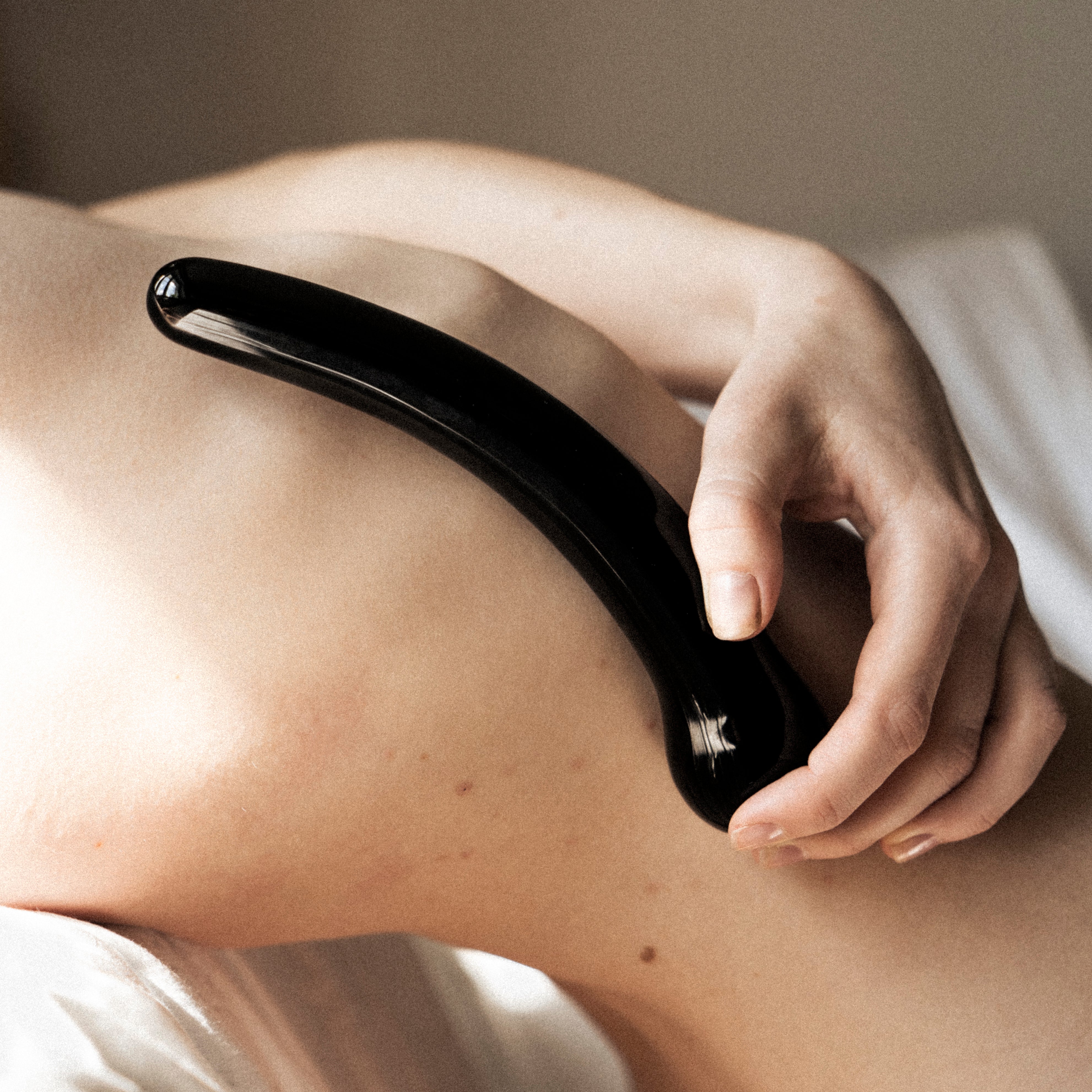
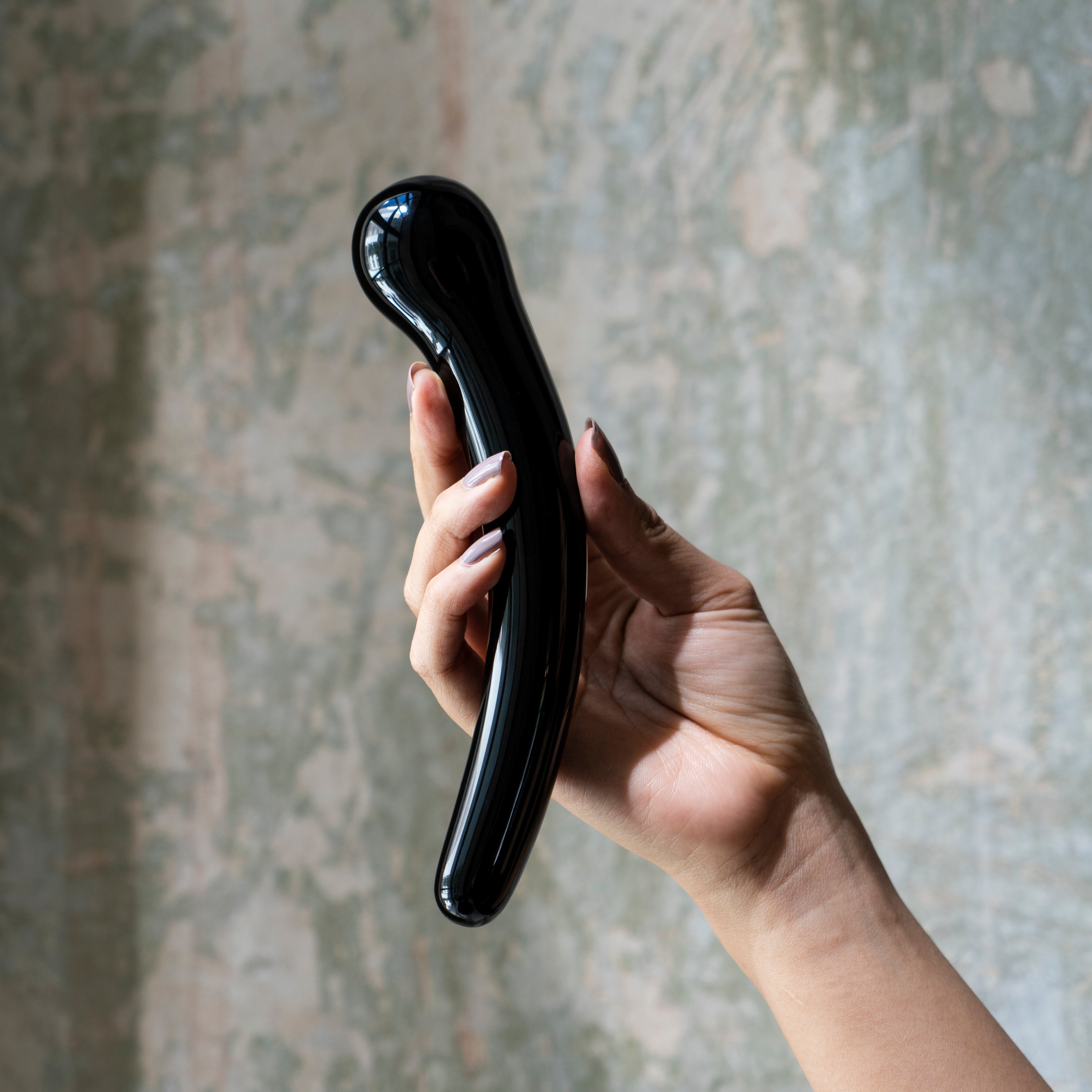
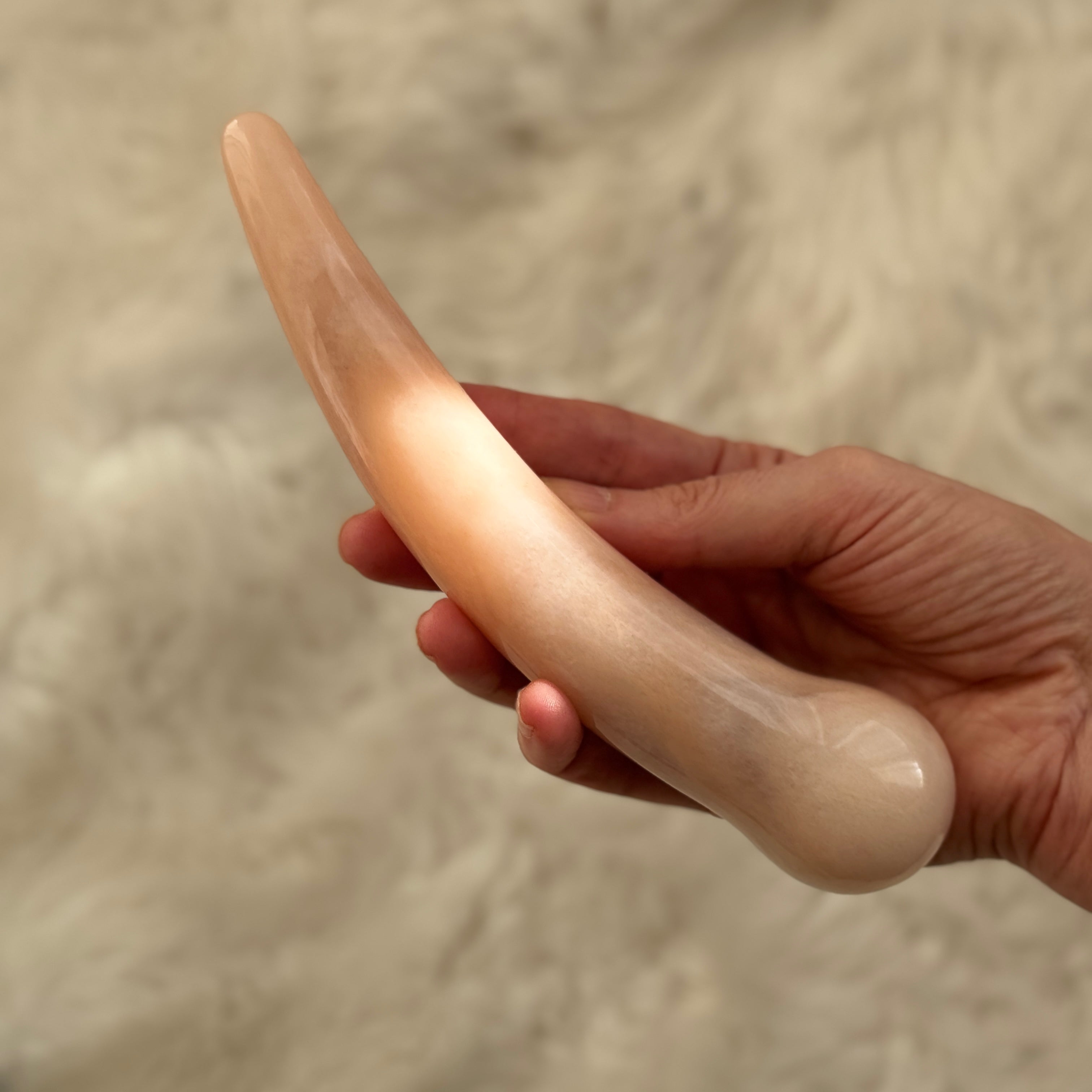
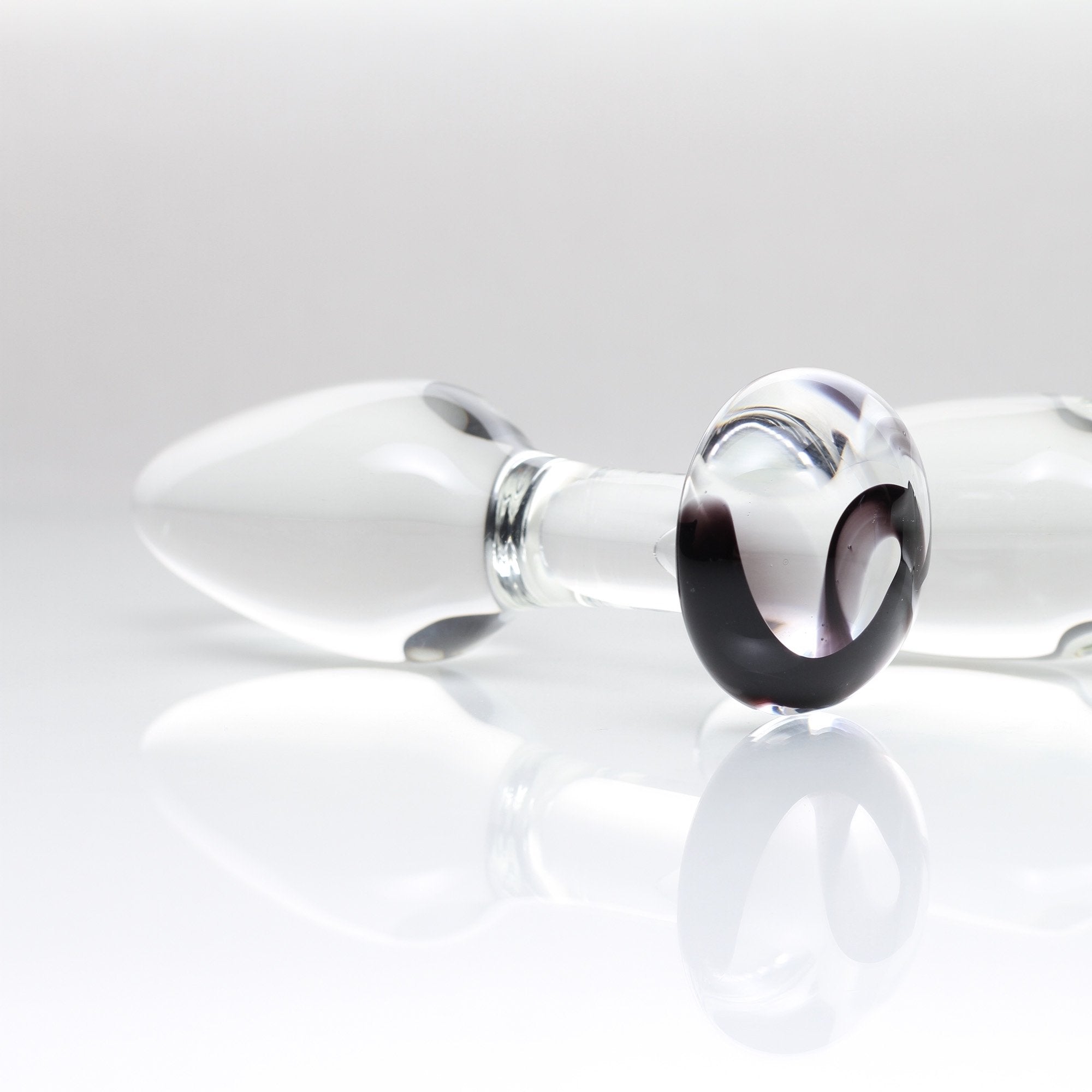
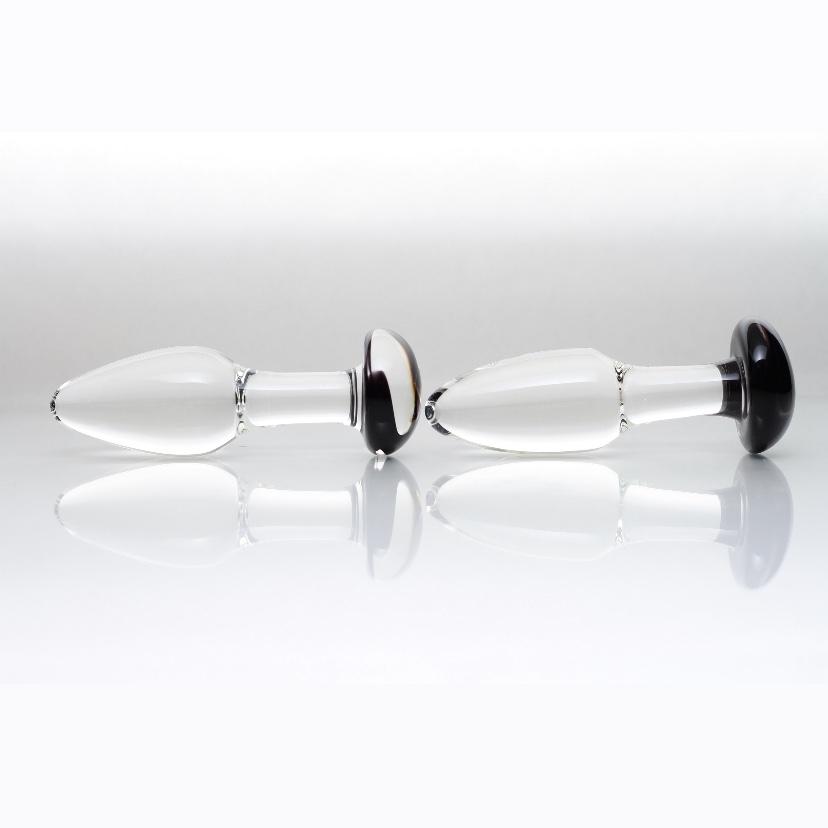
Whether you’re experimenting with toys like the Onna Bonbon Glass Butt Plug or enjoying partnered penetration, generous, long-lasting lubrication isn’t just helpful — it’s essential. Think of it as the foundation for comfort, confidence, and pleasure.
Lubricant Types: Understanding Your Options
When considering the best lubricant for anal sex, two main types dominate: water-based and silicone-based, each with distinct advantages.
Water-Based Lubricants represent the safest, most versatile choice for most users. These lubes work with all condom materials and toy types, rinse away easily with water, and rarely cause irritation. The TNCL simply lube aloe vera lubricant exemplifies quality water-based formulations—body-safe ingredients, appropriate viscosity, and sufficient longevity for comfortable anal experiences. The primary limitation involves more frequent reapplication compared to silicone options, as water-based formulas absorb into tissue or evaporate over time.
Silicone-Based Lubricants by contrast, are ideal for extended sessions or water-based play. They last significantly longer than water-based formulas, don’t absorb into tissue, and maintain a slick, smooth texture for the duration of your session. However, they should never be used with silicone toys, as chemical reactions can degrade both the lubricant and the toy. For glass, metal, or other non-silicone toys, silicone lubes like Sitre Silicone Gel provide long-lasting performance and exceptional glide.
Critical Safety Ingredients: What to Avoid
Not all lubricants are created equal, and some ingredients can harm delicate rectal tissue.
Glycerin and propylene glycol, commonly used as preservatives or texture enhancers, can trigger osmotic imbalances. High-osmolality lubricants draw moisture out of tissue, which can paradoxically create dryness and increase the risk of epithelial damage. Research shows that lubricants with osmolality above 1200 mOsm/kg can cause measurable rectal tissue injury. Choosing glycerin-free formulations is a safer choice.
Parabens, often used as preservatives, have been linked in some studies to hormone disruption. While the research is ongoing, many users prefer paraben-free options like Aia Natural Lubricant to minimize potential risks.
Lubricants with warming or cooling additives—such as menthol, capsaicin, or similar compounds—may seem appealing but frequently irritate the rectum’s sensitive mucosa. These sensations work through mild irritation, which is exactly what you don’t want in tissue already vulnerable to damage. The best lubricant for anal sex prioritizes tissue health over novelty sensations.
pH Balance Considerations
Anal-Appropriate pH differs from vaginal products. While vaginal tissue thrives at acidic pH (3.8-4.5), rectal tissue tolerates neutral to slightly alkaline formulations (pH 7-8) more comfortably. Some lubricants marketed for vaginal use contain acidifying agents maintaining appropriate vaginal pH but may irritate rectal tissue. Seek products specifically formulated or tested for anal use when possible.
Viscosity and Texture: Finding the Right Consistency
The thickness of lubricant has a major impact on comfort and effectiveness.
Thicker Formulations provide superior cushioning and staying power for anal use compared to thinner, runnier lubes. The rectum's lack of natural lubrication means applied lubricant must last through entire sessions without constant reapplication. Gel-consistency products coat tissue more thoroughly and resist dripping or absorption better than watery alternatives.
Thicker lubes stay where applied rather than immediately running off, ensuring coverage around the anal opening, on penetrating objects, and along the anal canal. The Sitre Silicone Gel 50ml demonstrates ideal anal lubricant consistency—substantial enough for thorough coverage without being so thick it's difficult to spread.
Balancing Cushioning and Natural Feel
Some ultra-thick formulations provide excellent cushioning but create distancing effects that reduce pleasurable friction and intimate connection. Personal preference guides this choice—those prioritizing maximum protection during initial experiences may prefer thicker options, while experienced practitioners often select moderate viscosity maintaining both safety and sensation quality.
How to Use Lubricant for Anal Play: Application Tips & Techniques
Mastering proper lubrication technique is key to ensuring comfort, safety, and maximum pleasure during anal play. Without careful application, even the best lubricant can fall short, so taking a thoughtful approach can transform the experience.
The cardinal rule is generous application—you truly cannot use too much. Start by applying lubricant liberally to the anal opening, the penetrating object—whether it’s a penis, fingers, or toys—and, when comfortable, inside the anal canal using either lubricated fingers or a lubricant injector. This multi-zone approach ensures smooth, consistent glide along the entire pathway, rather than concentrating only at the entry. By preparing the entire area, penetration feels easier, more comfortable, and far more pleasurable.
Timing your reapplication is just as important, especially with water-based lubricants. Don’t wait until friction or discomfort occurs. For extended sessions, reapply proactively every 10–15 minutes, or whenever you notice the sensation shifting from slippery to sticky. Keeping your lubricant within arm’s reach—rather than across the room—prevents interruptions and helps maintain flow, momentum, and intimacy.
Internal application techniques can dramatically enhance comfort. Using lubricated fingers to gently spread lube 1–2 inches inside the anal canal pre-lubricates the pathway penetration will follow, preventing the pulling or dragging sensation that can occur when only external lubrication is applied. For toy use, such as with the Anal Beginners Pleasure Set, this preparation is particularly valuable, creating a smooth, comfortable experience from start to finish.
With careful attention to application, timing, and internal preparation, lubricant becomes more than a necessity—it becomes a key tool for easing tension, enhancing sensation, and making anal exploration fully enjoyable.
Temperature Considerations
The temperature of your lubricant can make a surprisingly big difference in comfort and relaxation during anal play. Slightly warming the lube—never hot, and always tested on your inner wrist first—by running the bottle under warm water creates a smoother, more comfortable application. Warm lubricant can even enhance blood flow to the area, helping the tissue feel more receptive and relaxed.
On the other hand, cold lubricant can trigger the sphincter’s natural tension reflex, making penetration more difficult or uncomfortable. Paying attention to temperature is a simple but often overlooked part of preparation for anal sex. By taking a few extra moments to warm your lubricant, you support your body’s natural relaxation, reduce friction, and make the experience more pleasurable overall.
Best Water-Based Lubricants for Anal Sex
When it comes to water-based lubricants formulations, these lubricants are some of the most versatile and user-friendly options, making them especially ideal for beginners or anyone using silicone toys.
Thick, long-lasting formulas are what set high-quality water-based anal lubricants apart from generic options. Look for a gel consistency rather than a thin liquid, and seek products that specifically mention anal use or long-lasting glide. For example, Simply Lube Natural Aloe Vera combines plant-based ingredients with the right viscosity to provide smooth, comfortable experiences that don’t dry out too quickly.
For those seeking a more natural approach, organic formulations like Aia Lubricant remove concerns about synthetic chemicals, preservatives, or other potentially irritating ingredients. These products prioritize ingredient transparency and body-safe compositions, which can be especially valuable for people with sensitivities or a preference for natural products.
Another major advantage of water-based lubricants is toy compatibility. Silicone-on-silicone contact can degrade premium toys over time, so water-based formulations are the only safe choice for silicone toys. For metal or glass toys, like the NJoy Pure Butt Plug Small, you have more flexibility in lubricant choice, but for silicone toys, water-based options remain essential for protecting both the toy and your experience.
Addressing Water-Based Limitations
The main drawback of water-based lubricants—their tendency to absorb more quickly into the tissue—can be easily managed with a thoughtful approach. Start with a generous initial application and reapply proactively rather than waiting for friction or discomfort to appear. Keeping a bottle within easy reach ensures you can add more the moment you notice the glide beginning to fade. Some users even find that mixing in a small amount of aloe vera gel can extend the lubricant’s longevity without compromising body safety, creating a smoother, longer-lasting experience.
Best Silicone-Based Lubricants for Anal Sex
When it comes to extended anal play, silicone-based lubricants truly shine. Their longevity and water-resistant properties make them ideal for marathon sessions, though they do require careful attention to the materials of the toys you’re using.
One of the key advantages of silicone lubes is extended performance. Unlike water-based options that can absorb into tissue or evaporate, silicone forms a lasting barrier that keeps everything slick and smooth for 30 to 60 minutes or more without the need for reapplication. This makes them perfect for vigorous anal activity or any situation where stopping to reapply would interrupt the flow and momentum of play.
Silicone lubes also excel in waterproof scenarios, maintaining their glide during shower or bath play where water-based lubricants would quickly wash away. For couples who enjoy incorporating water into their intimate moments, silicone formulations deliver consistent performance even when water might otherwise reduce effectiveness. Premium options like Sitre Silicone Gel combine a smooth texture with ideal viscosity, creating long-lasting glide without feeling heavy or sticky.
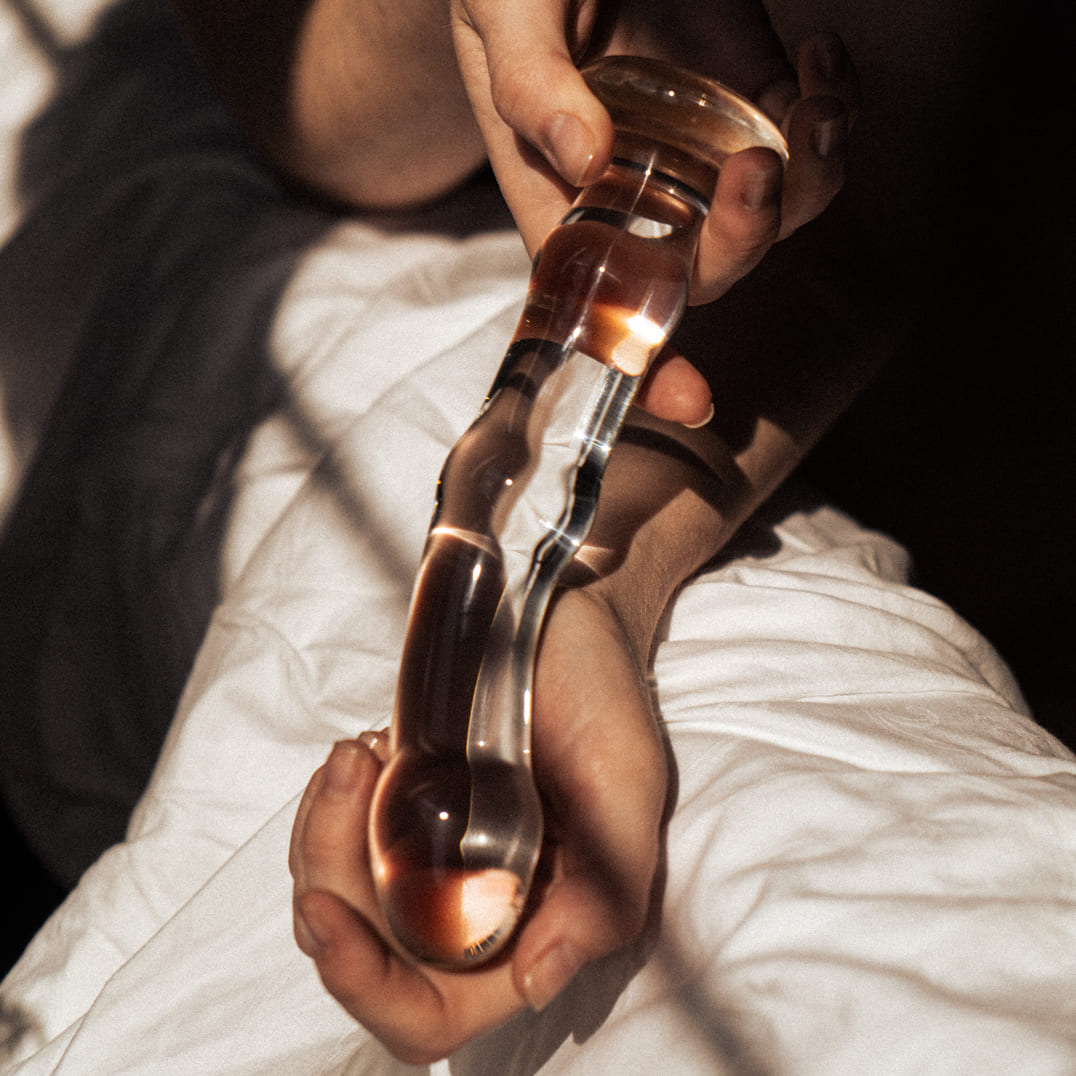
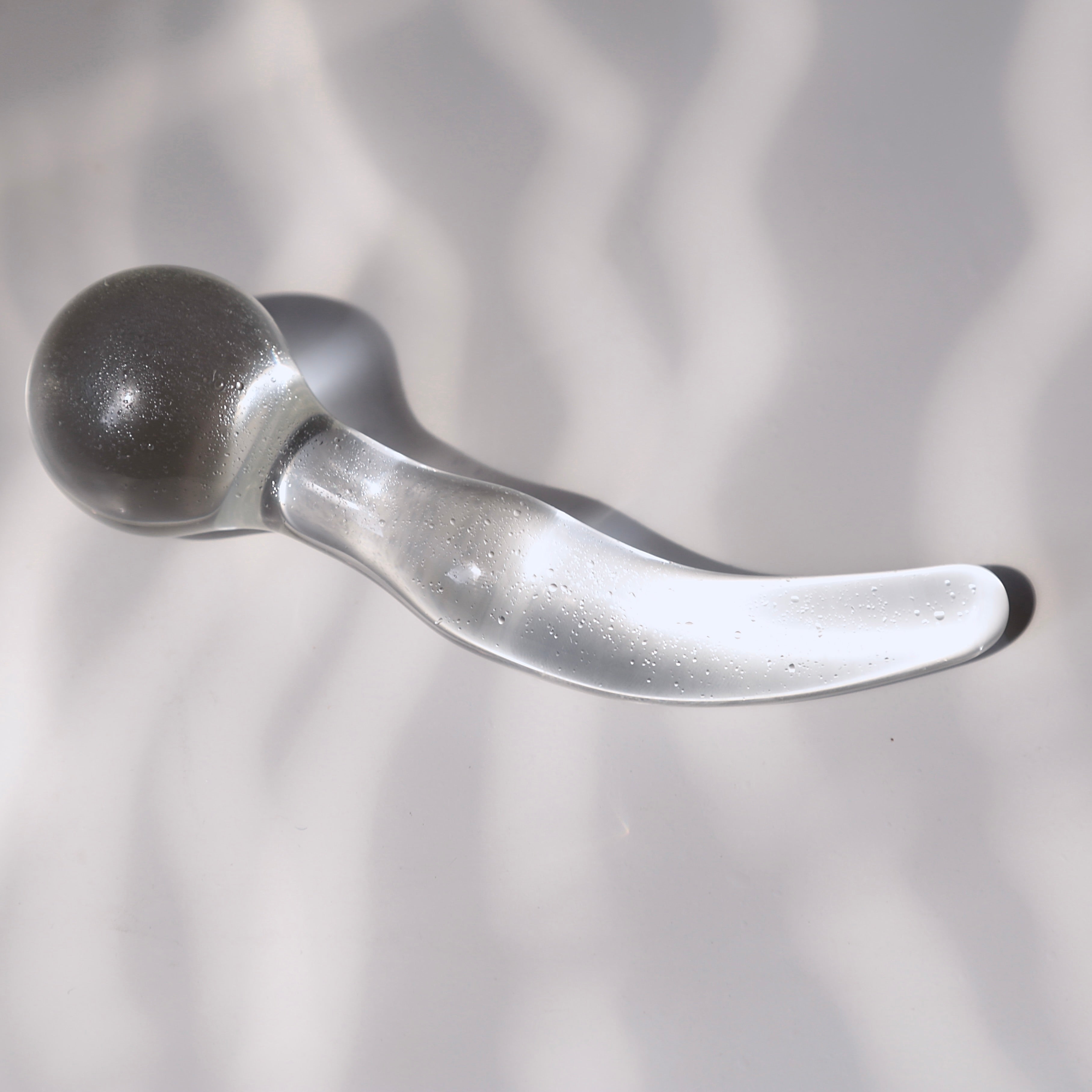
However, material compatibility is critical. Silicone lubricants should never be used with silicone toys—the chemical reaction can degrade both the toy and the lube, leaving sticky surfaces, structural weakness, or even bonding the material together. For this reason, silicone lube works best with glass toys like the Allure Glass Dildo, metal options, or other non-silicone materials, ensuring both performance and safety during your session.
Cleanup Considerations
Silicone lubricants don’t rinse away with water alone, so post-session cleanup requires soap or specialized toy cleaners. This means you’ll need a bit more attention when cleaning your body, toys, and any surfaces that came into contact with the lube. For some users, this extra effort might feel like a downside, but many consider it a small price to pay for the long-lasting performance, superior glide, and consistency that silicone lubricants provide. Ultimately, this tradeoff allows individuals to choose the option that best matches their priorities and the type of anal experience they want to have.
Lubricant Compatibility with Toys and Condoms
When choosing the best lubricant for anal sex, you need to understand how it interacts with different materials. The compatibility of your lubricant with condoms, toys, and other barriers can dramatically affect both safety and the lifespan of your products. Picking the right combination ensures a smoother, more pleasurable experience while protecting delicate tissues and your investment in high-quality toys.
Condom compatibility deserves careful attention when planning anal play. Oil-based lubricants—including coconut oil, baby oil, petroleum jelly, and other oil-based specialty products—can break down latex condoms and dental dams in just a few minutes. This creates microscopic holes that compromise protection against STIs and pregnancy. If you’re using latex barriers, stick to water-based, silicone-based, or explicitly condom-safe hybrid lubricants. For instance, when pairing condoms with Ohnut Penetration Buffer Rings, make sure the lubricant works with both materials to maintain safety and performance throughout the experience.
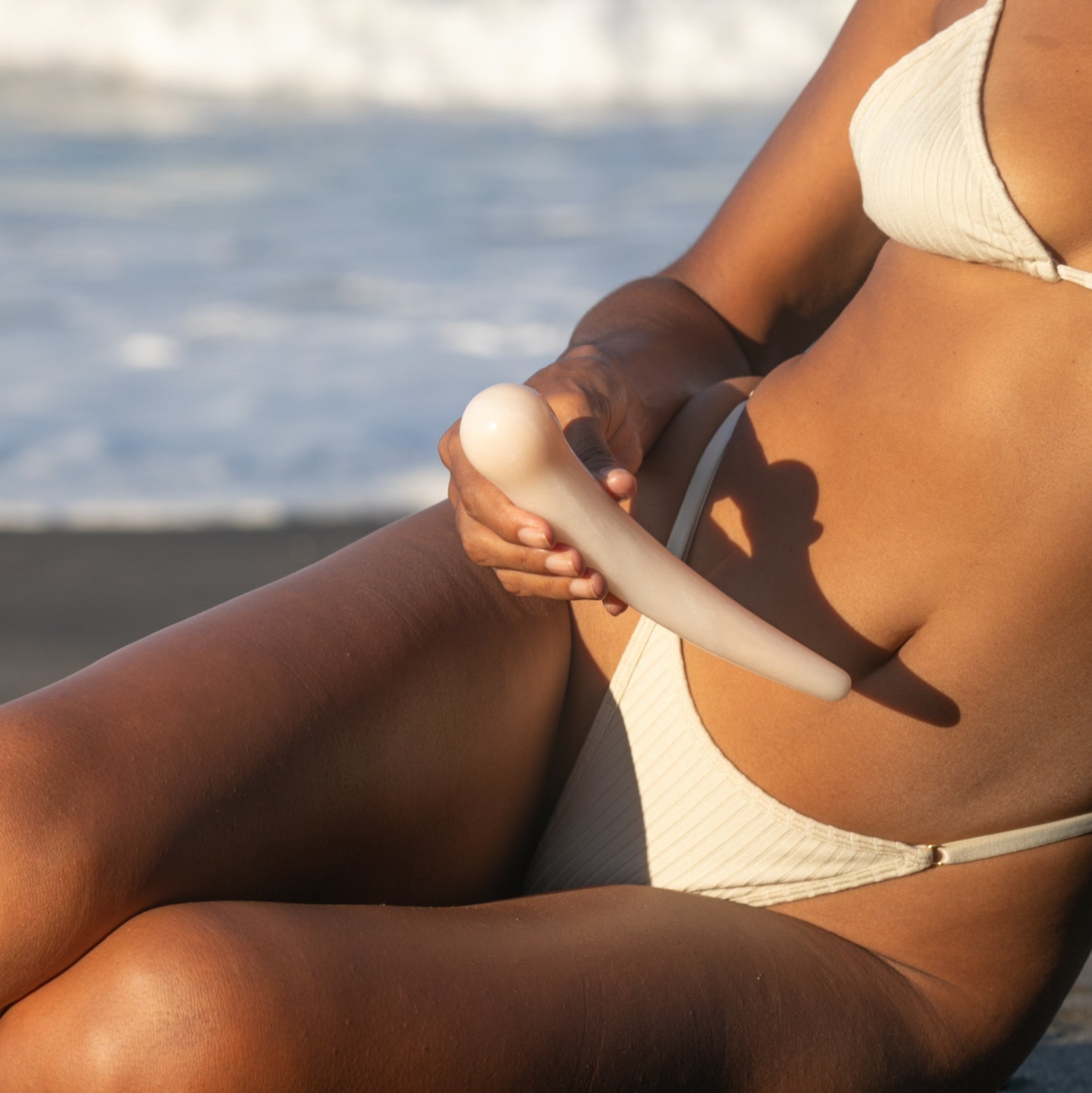
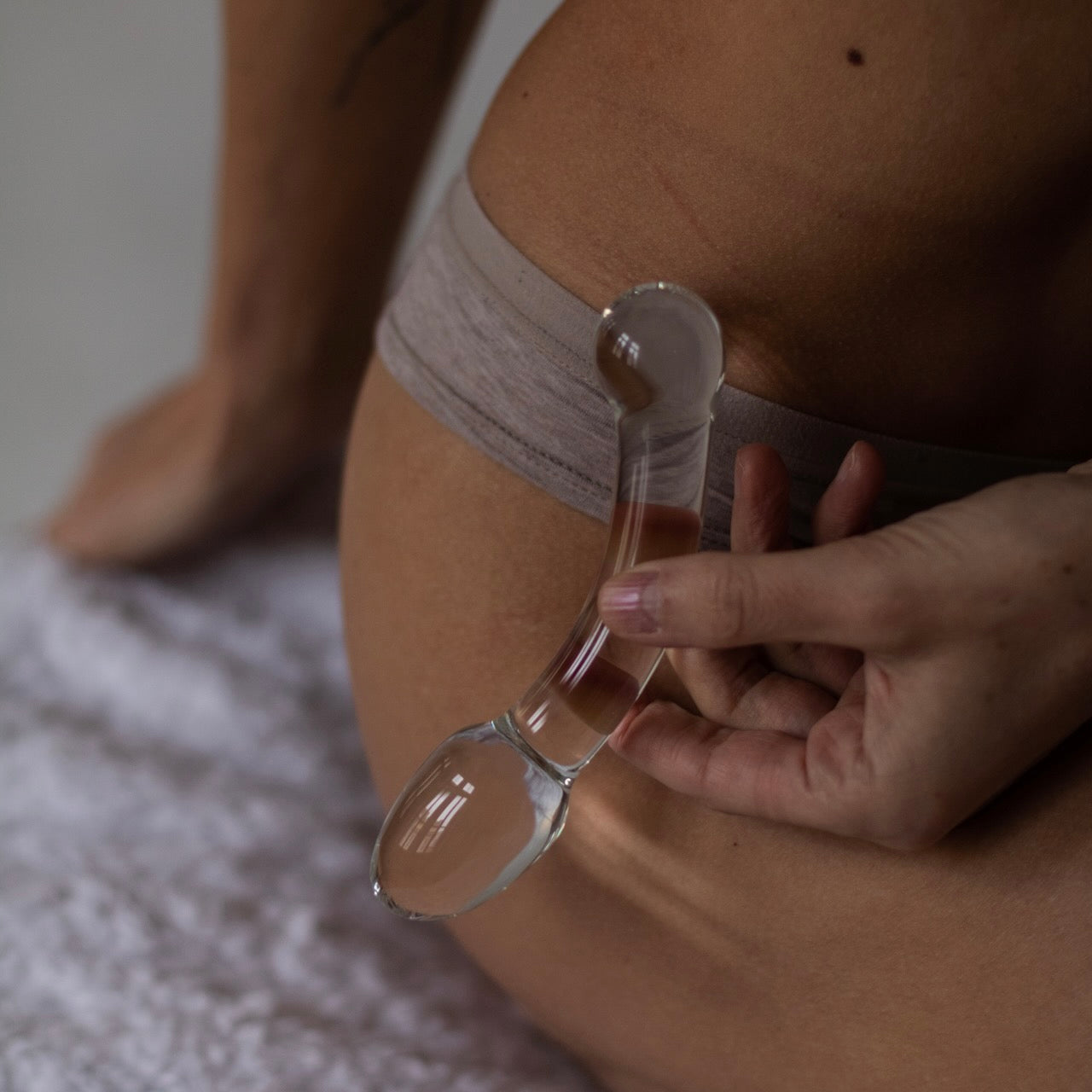
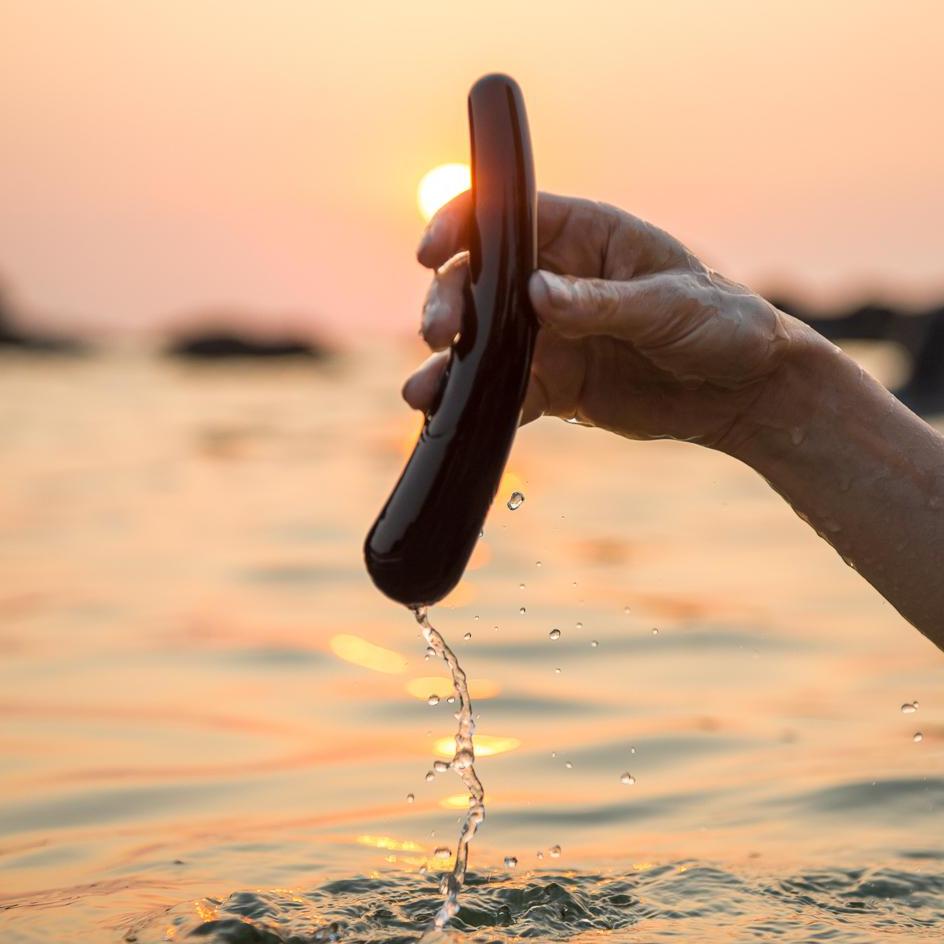
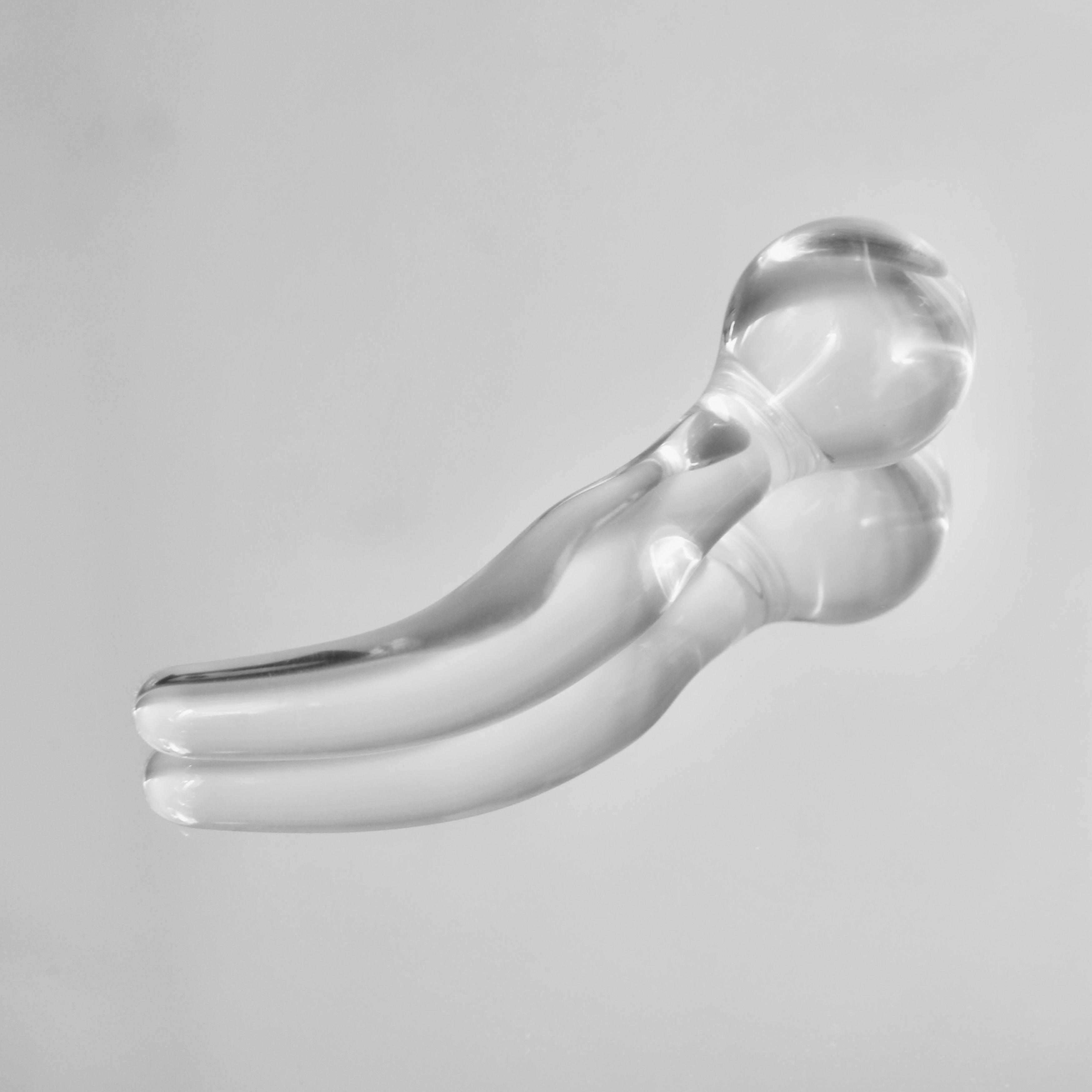
Toy material interactions also influence your lubricant choice. Silicone toys—plugs, probes, and dildos—must be used with water-based or oil-based lubricants, as silicone-based lubes can degrade the material, leaving sticky surfaces or weakening the toy. All Onna pleasue wands, stone, glass and metal toys, like the Onna Tease Glass Prostate Massager, are compatible with any lubricant, offering maximum flexibility and control over your anal play experience. Paying attention to these interactions helps ensure smooth, comfortable play while preserving the longevity of your toys.
How Much Lubricant Should I Use for Anal Sex?
When it comes to anal play, generosity is the rule—you really can’t use too much lubricant. That said, understanding practical amounts can help ensure comfort, safety, and continuous glide throughout a session.
For initial application, coat the anal opening thoroughly—roughly the size of a nickel or quarter spread around the area. Apply lubricant along the first 2–3 inches of the penetrating object, whether it’s fingers, a toy, or a penis, and, if comfortable, add some inside the anal canal. This tri-zone approach ensures that lubrication extends beyond the entry point, providing smooth glide along the entire pathway and reducing the risk of friction or discomfort.
Supplemental application is key during longer sessions. Reapply every 10–20 minutes to maintain optimal slickness, and don’t wait until friction or irritation starts—by that point, your tissue may already be under stress. Being proactive keeps the experience pleasurable and prevents unnecessary discomfort or injury.
The total amount of lubricant needed will vary depending on the intensity, duration, and type of product used. A gentle 30-minute session might require 1–2 tablespoons of water-based lubricant or about 1 tablespoon of silicone, while longer or more vigorous play could easily use 3–5 tablespoons. Larger bottles, like Sitre Water-Based Lubricant, ensure you always have enough on hand, so you never run short at crucial moments.
Health Considerations and Medical Consultation
Certain medical conditions or personal circumstances call for extra care beyond general lubricant guidance. Understanding your body and any potential risks is key to safe and comfortable anal play.
If you have existing anal health issues—such as hemorrhoids, fissures, or inflammatory bowel disease—it’s important to consult a healthcare provider before engaging in anal sex. Even the gentlest lubrication may irritate compromised tissue, and penetration itself can worsen these conditions. A doctor familiar with your specific situation can provide guidance on safe practices and recommend the most suitable lubricants or techniques.
Post-surgical considerations are equally important. Anyone recovering from rectal or pelvic surgery should get explicit clearance from their surgeon before resuming anal play. Even with ideal lubrication, mechanical stress from penetration could interfere with healing or cause complications. Never assume that time alone guarantees full recovery—professional approval is crucial.
Medication interactions rarely affect lubricant safety directly, but certain medications—such as blood thinners or immunosuppressants—can increase the risk of complications from minor tissue damage. Keeping your healthcare providers informed about your sexual practices allows them to offer advice tailored to your health and ensures you can explore safely without unintended risks.
When to Seek Medical Attention
Even with careful lubrication and preparation, some situations require prompt professional evaluation. Seek medical care if you notice persistent bleeding beyond minor spotting, severe pain during or after anal activity, signs of infection such as fever, unusual discharge, or significant swelling, or any loss of bowel control. These symptoms signal that something may be wrong, and they should be assessed by a healthcare professional regardless of how well lubrication or technique was applied. Paying attention to these warning signs ensures that you can continue exploring safely while protecting your long-term anal health.
Storage and Longevity: Maintaining Lubricant Quality
How and where you store your lubricant can significantly affect its performance and lifespan. To keep it in top condition, store your bottles in cool, dark places away from direct sunlight and sources of heat. Bathrooms, with their frequent temperature swings and high humidity, are often not ideal, as these conditions can accelerate degradation. Instead, consider bedroom nightstand drawers, closets, or any climate-controlled space where your lubricant can remain stable, ensuring it’s ready to perform exactly when you need it.
Travel Considerations
When taking lubricant on the go, convenience and safety go hand in hand. For portability, decant your lubricant into travel-sized bottles instead of bringing large containers, and make sure each bottle seals tightly to prevent leaks in your luggage. Keep in mind that TSA rules limit carry-on liquids to 3.4 oz (100 ml), so larger quantities should be packed in checked baggage or purchased at your destination. This 50 ml travel-size silicone lubricant is an ideal option, offering enough product for multiple uses while staying compact and easy to carry.
For added peace of mind, pair your travel lubricant with protective items—like a Waterproof Splash Blanket—to prevent spills and keep your hotel or temporary space worry-free. Thoughtful preparation ensures you can maintain comfort, glide, and safety even while on the move.
Final Thoughts
So, what is the best lubricant for anal sex? The answer lies in generous, long-lasting, body-safe lubrication that suits both your body and your play style. Water-based options like Aia Natural Lubricant provide universal compatibility and easy cleanup, making them ideal for beginners and silicone toy users alike. Silicone-based lubricants, such as Sitre Silicone Gel, offer extended performance for marathon sessions, keeping everything slick and comfortable for longer encounters.
The best lubricant avoids ingredients like glycerin, parabens, and numbing agents, which can compromise delicate rectal tissue, and maintains a viscosity that balances cushioning protection with natural sensation. Compatibility with your condoms and toys is also crucial for both safety and enjoyment.
Whether you’re just beginning with tools like the Anal Beginners Pleasure Set or progressing to more intensive play, never cut corners on lubrication. The rectum produces no natural lubrication, so adequate external glide is critical for comfort, pleasure, and safety. For those looking to elevate their experience, our intimate care collection offers body-safe lubricants and complementary products designed to support your exploration with the quality, protection, and pleasure your intimate wellness deserves.
References
Carballo-Diéguez, A., Stein, Z., Sáez, H., Dolezal, C., Nieves-Rosa, L., & Díaz, F. (2000). Frequent use of lubricants for anal sex among men who have sex with men: The HIV prevention potential of a microbicidal gel. American Journal of Public Health, 90(7), 1117-1121. https://doi.org/10.2105/AJPH.90.7.1117
Dezzutti, C. S., Brown, E. R., Moncla, B., Russo, J., Cost, M., Wang, L., ... & MTN-007 Study Team. (2012). Is wetter better? An evaluation of over-the-counter personal lubricants for safety and anti-HIV-1 activity. PLoS ONE, 7(11), e48328. https://doi.org/10.1371/journal.pone.0048328
Fuchs, E. J., Lee, L. A., Torbenson, M. S., Parsons, T. L., Bakshi, R. P., Guidos, A. M., ... & Hendrix, C. W. (2007). Hyperosmolar sexual lubricant causes epithelial damage in the distal colon: Potential implication for HIV transmission. The Journal of Infectious Diseases, 195(5), 703-710. https://doi.org/10.1086/511279
Jozkowski, K. N., & Herbenick, D. (2013). A guide to the ins and outs of lubricant use during penile-vaginal intercourse. In D. Castañeda (Ed.), The essential handbook of women's sexuality (Vol. 2, pp. 21-39). Praeger.
McGowan, I. (2011). Rectal microbicides: Can we make them and will people use them? AIDS and Behavior, 15(Suppl 1), S66-S71. https://doi.org/10.1007/s10461-011-9899-9
Moench, T. R., Mumper, R. J., Hoen, T. E., Sun, M., & Cone, R. A. (2010). Microbicide excipients can greatly increase susceptibility to genital herpes transmission in the mouse. BMC Infectious Diseases, 10, 331. https://doi.org/10.1186/1471-2334-10-331
Royce, R. A., Seña, A., Cates Jr, W., & Cohen, M. S. (1997). Sexual transmission of HIV. New England Journal of Medicine, 336(15), 1072-1078. https://doi.org/10.1056/NEJM199704103361507
World Health Organization. (2012). Use and procurement of additional lubricants for male and female condoms: WHO/UNFPA/FHI360 advisory note. WHO Press.