

What Are Cervix Wands?
The cervix is one of the least understood yet most neurologically complex structures in the female body. It is often discussed only in the context of fertility, Pap smears, or childbirth. Rarely is it explored as a dynamic sensory structure connected to both pain patterns and deep pleasure potential.
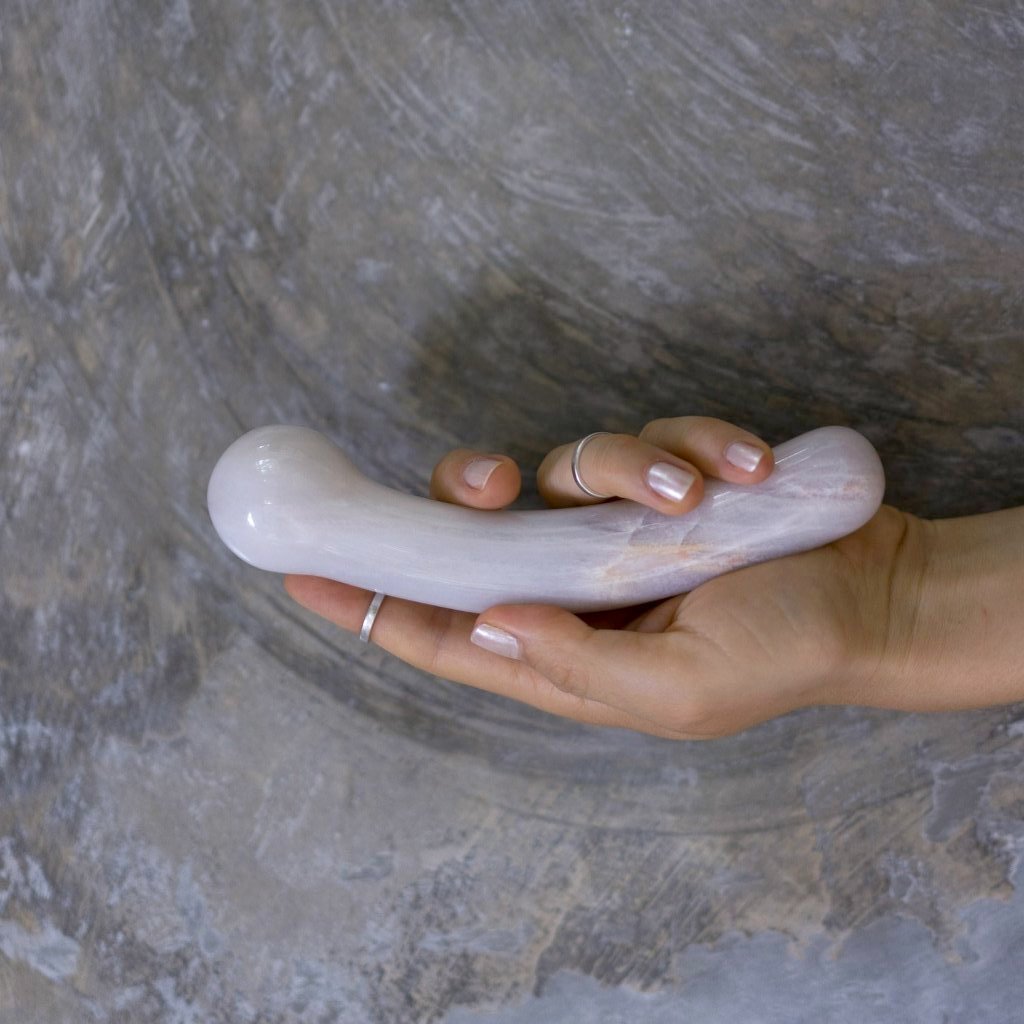
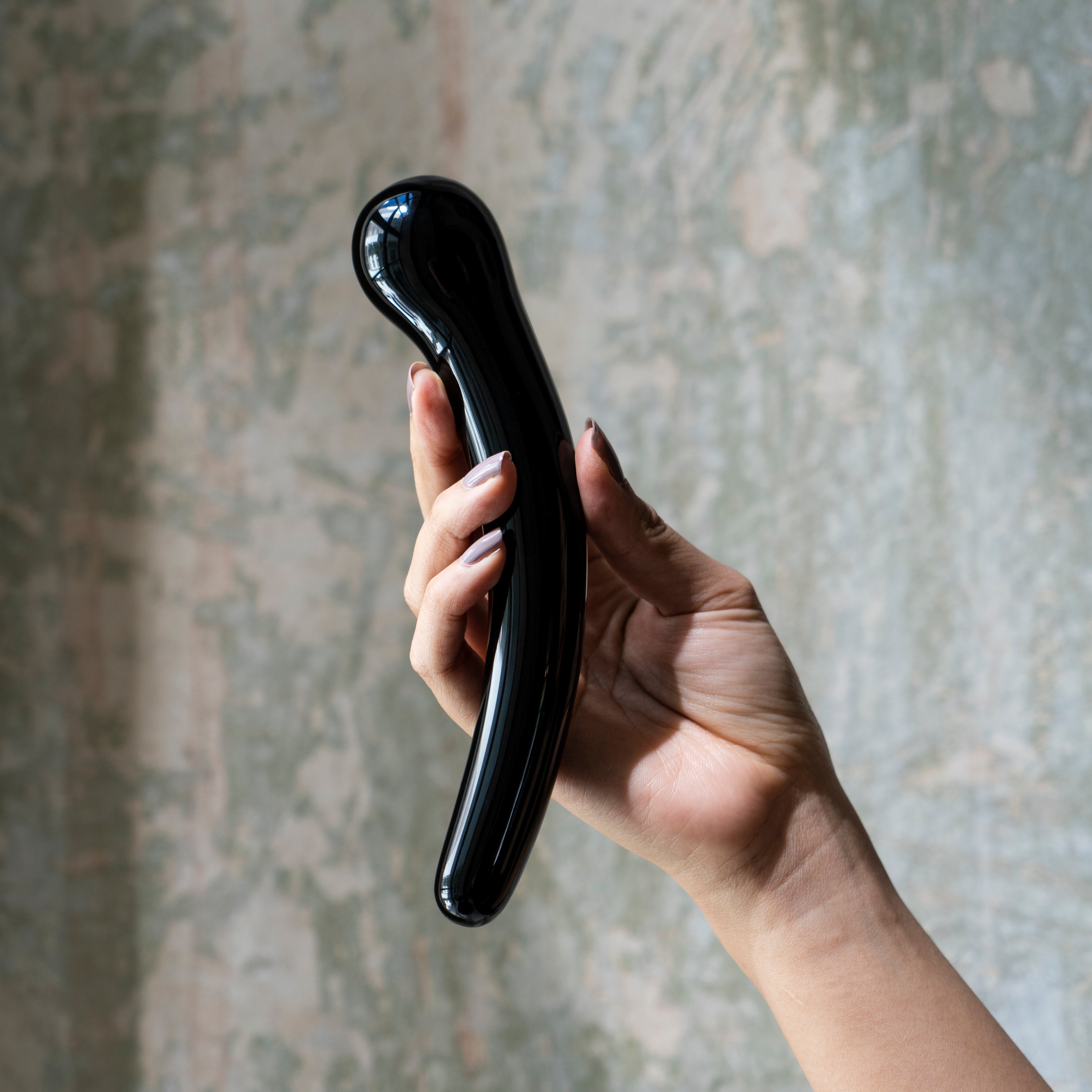
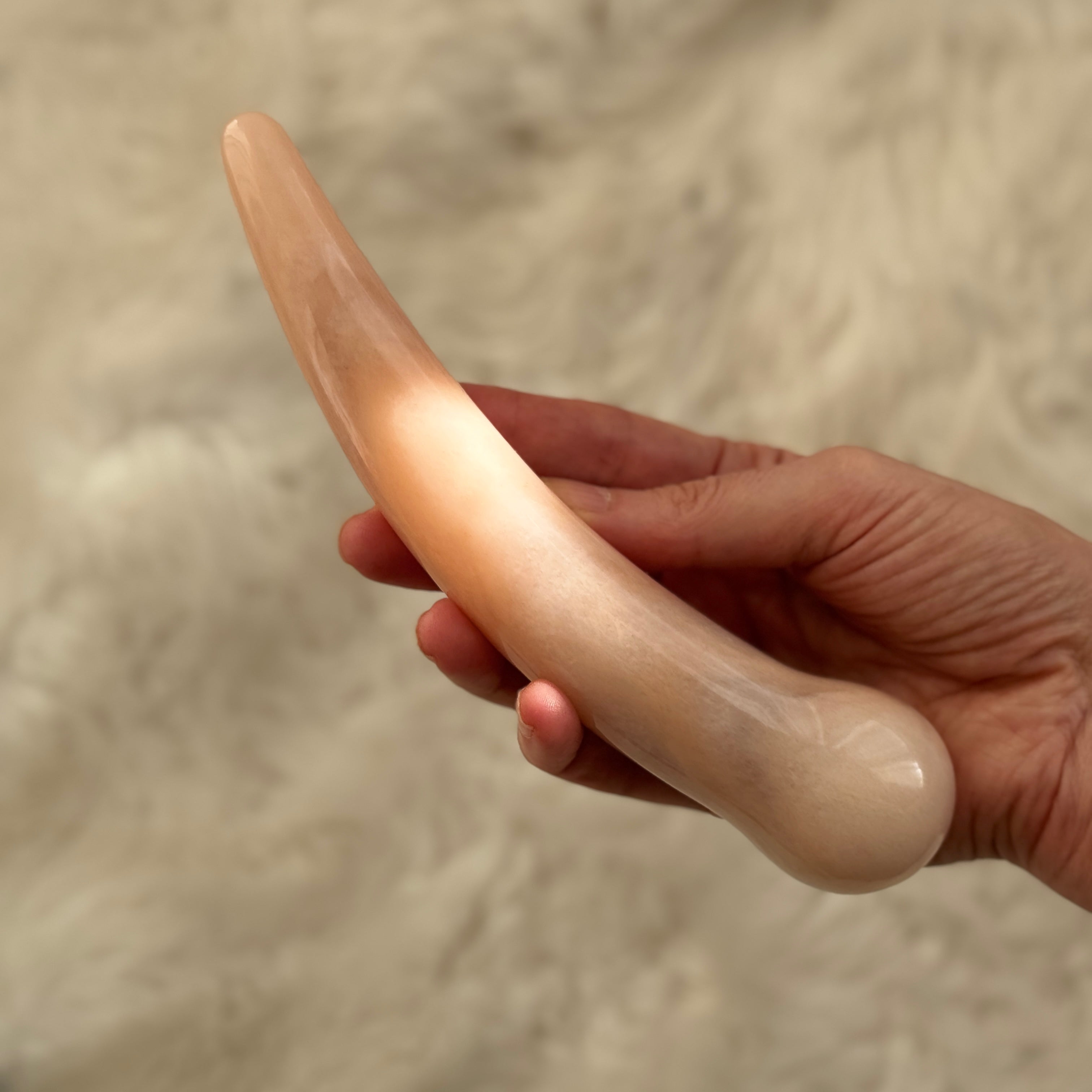
A cervix wand is a specialized internal therapeutic tool designed to access and gently mobilize the tissues surrounding the cervix.
To understand its purpose and how it’s used, we first need to understand the cervix itself.
The Cervix: Structure, Fascia, and Nerve Pathways
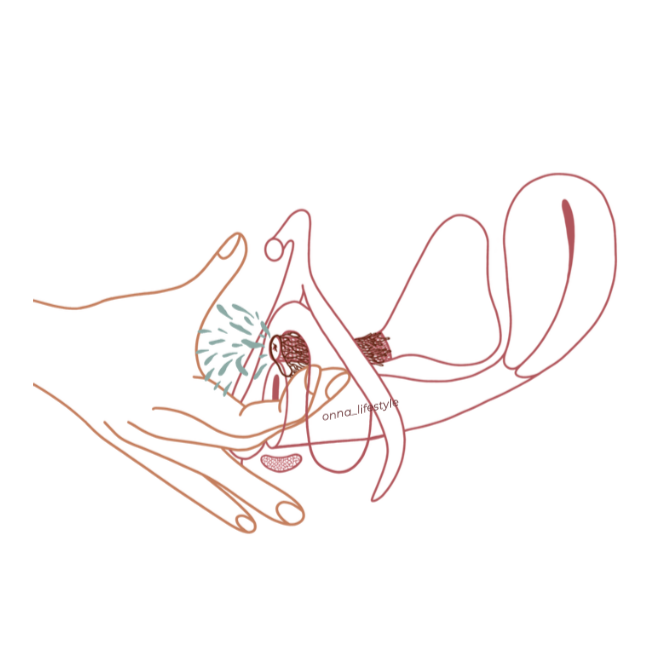
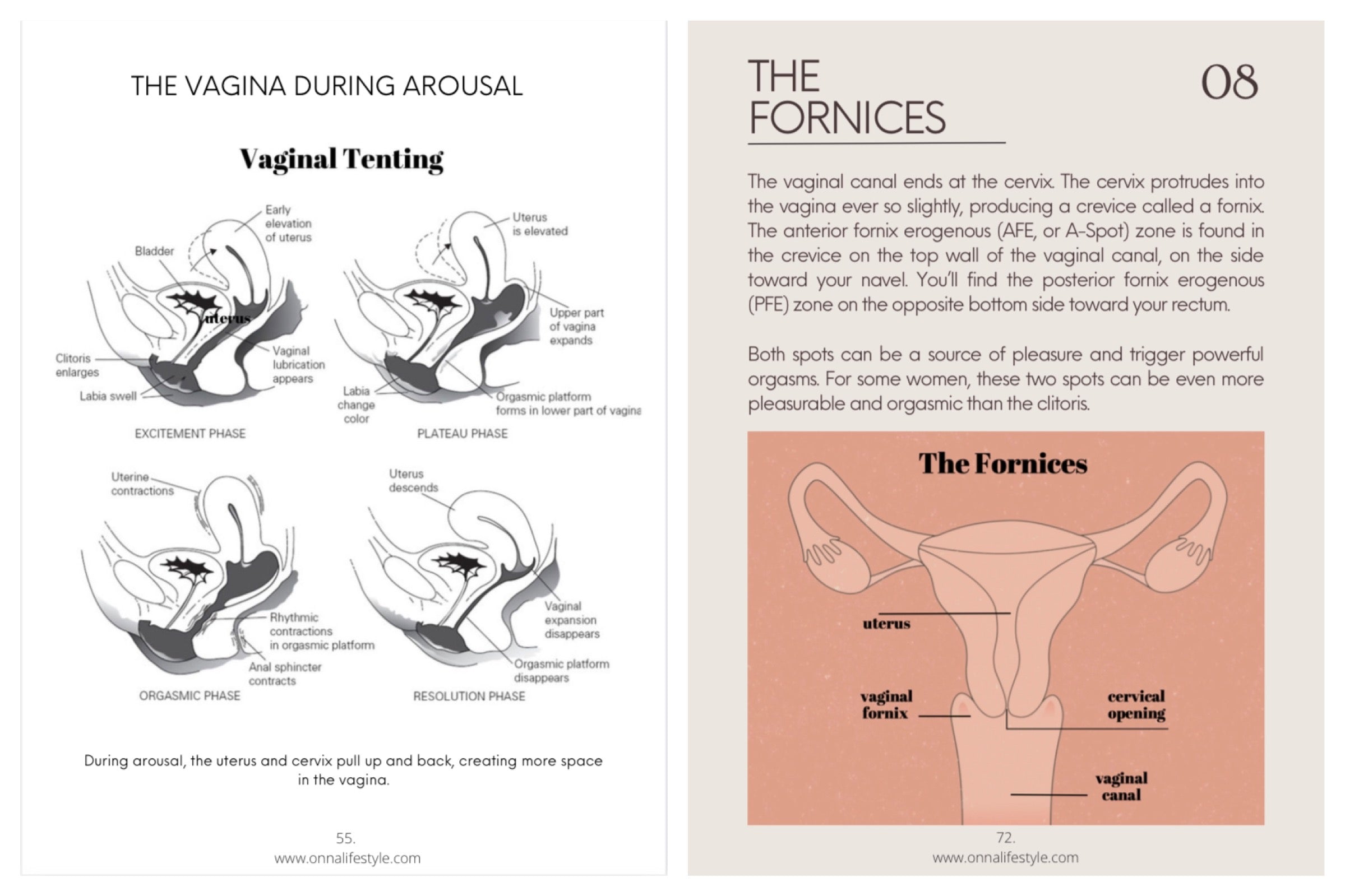
The cervix forms the lower portion of the uterus and extends into the upper vaginal canal. It is surrounded by the anterior (AFE, this is what the A-spot is) and posterior fornices, recessed spaces that create pockets of tissue behind and in front of the cervix. These areas are rich in connective tissue, blood vessels, and nerve endings.
Importantly, the cervix is connected to:
- The pelvic nerve (associated with pelvic sensation)
- The hypogastric nerve (linked to deeper visceral sensation)
- The vagus nerve (involved in parasympathetic regulation and whole-body responses)
Because of this multi-layered innervation, stimulation or pressure in the cervical region can produce experiences that are distinctly different from clitoral or superficial vaginal sensation. It can feel dull, expansive, emotional, overwhelming, pleasurable, or painful — depending on tissue health and nervous system state.
The cervix is also suspended by ligaments and supported by fascial webs that connect into the pelvic floor, sacrum, and lower abdomen. When these tissues become restricted due to inflammation, scar tissue, chronic tension, or trauma, mobility decreases. Blood flow may be limited. Nerve signaling can become hypersensitive or blunted.
Cervix wands are designed to gently access these deeper layers to support release and restoration.
What Exactly Is a Cervix Wand?
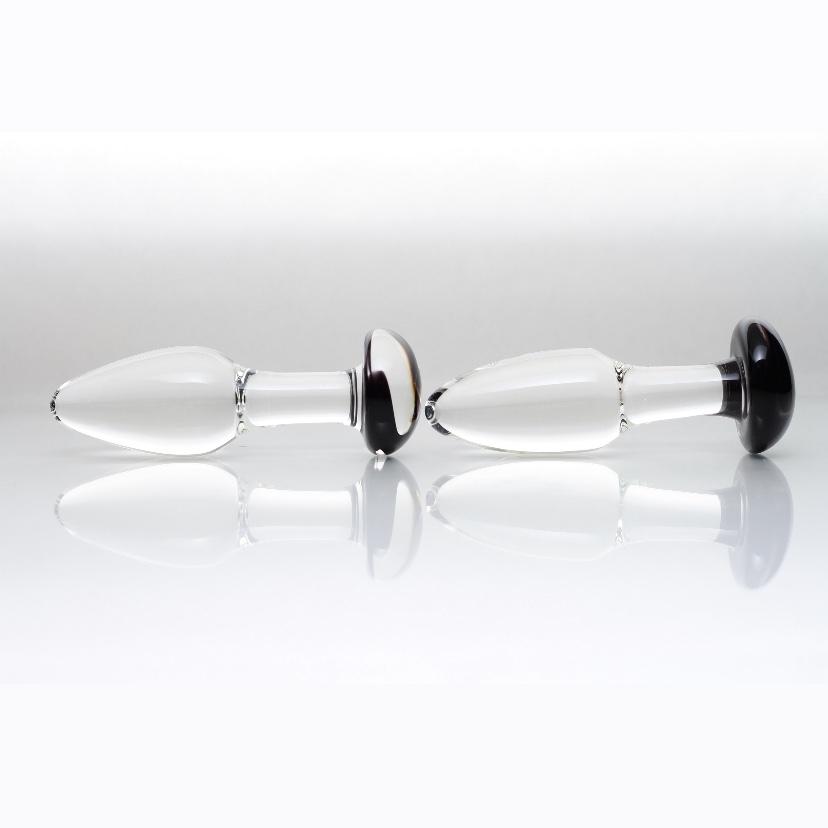
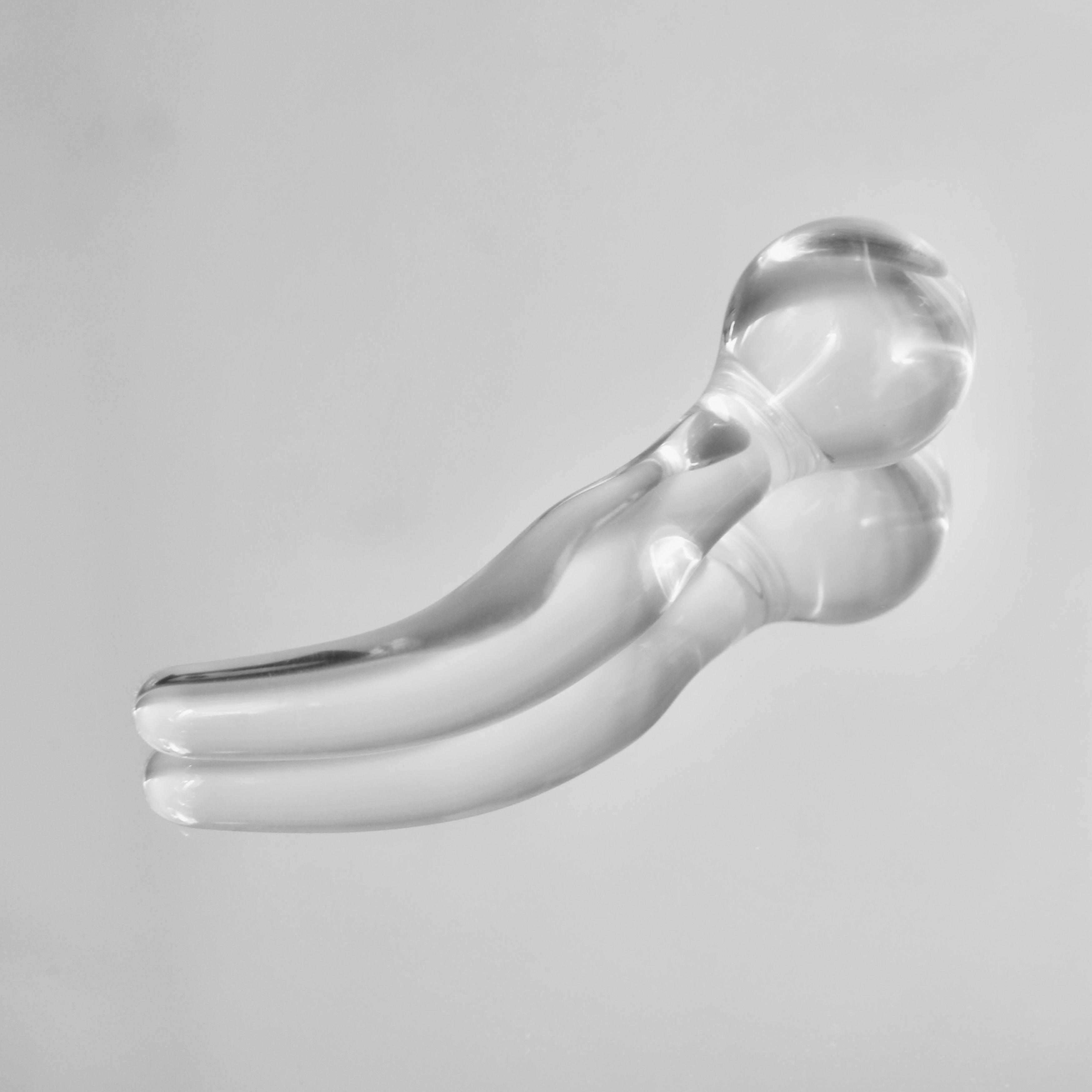
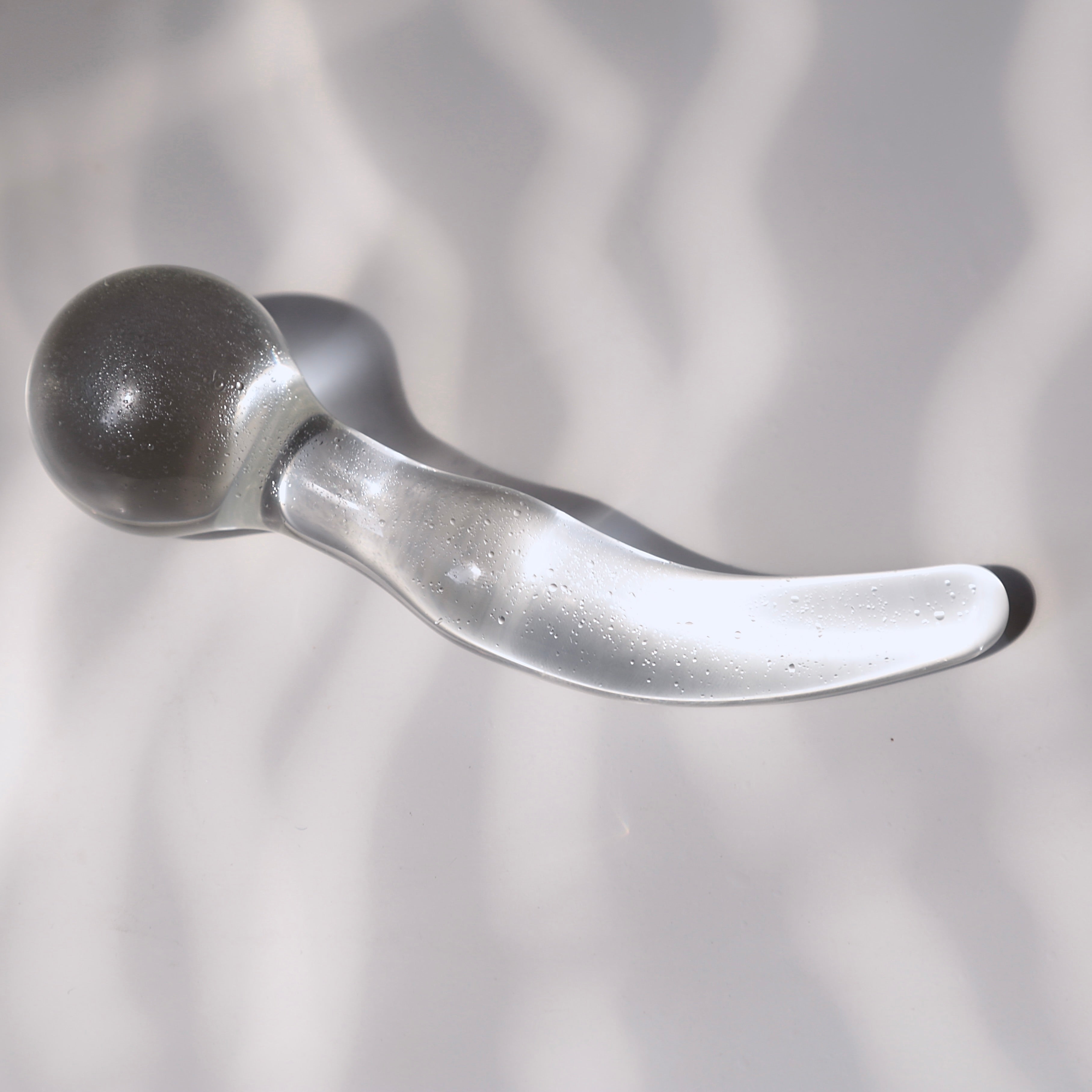
A cervix wand is a longer, curved, usually S shaped internal tool engineered to reach the upper vaginal canal and apply precise, sustained pressure to the tissues surrounding the cervix.
It allows you to:
- Apply controlled myofascial release
- Mobilize connective tissue near the uterine ligaments
- Sensitize and awaken sensation in numb areas
- Desensitize tender cervical regions
- Improve circulation to deep pelvic structures
- Reduce muscular guarding in the upper vaginal canal
- Its shape allows targeted angles that fingers alone often cannot achieve comfortably or consistently.
The key principle behind its use is sustained, gentle pressure rather than movement or friction. This is also why the material should be rigid and not too soft. This type of contact encourages fascial softening and nervous system recalibration.
Conditions Cervix Wands May Support
While not a cure-all, cervical release work may play a supportive role in several pelvic health conditions.
1. Deep Dyspareunia (Deep Pain During Intercourse)
Deep pelvic pain during penetration is frequently associated with sensitivity or restriction near the cervix and uterosacral ligaments. When the upper vaginal canal lacks mobility, pressure can feel sharp or bruising.
By gradually mobilizing the tissue and improving elasticity, cervical work may:
- Decrease sharp internal pain
- Improve tolerance to deeper penetration
- Reduce anticipatory muscle guarding
- Increase confidence during intimacy
Over time, what once triggered bracing may begin to feel neutral — or even pleasurable.
2. Endometriosis and Secondary Muscle Guarding
Endometriosis involves inflammatory endometrial-like tissue growth outside the uterus. While a cervix wand does not treat the disease itself, chronic inflammation often leads to protective muscle tightening throughout the pelvis.
The body learns to guard.
Releasing cervical and upper vaginal tension can help interrupt that guarding loop. When muscular defense decreases, overall pelvic pain may reduce in intensity. Improved blood flow may also support tissue health in surrounding structures.
3. Chronic Pelvic Floor Hypertonicity and the Role of Cervix Wands
Chronic pelvic floor hypertonicity refers to a state in which the pelvic floor muscles remain persistently tight, shortened, or unable to fully relax. While many people associate pelvic floor dysfunction with weakness, a significant number of women actually experience the opposite problem — excessive tension.
This tension can develop for many reasons. Ongoing stress keeps the nervous system in a low-grade fight-or-flight state, which often manifests as unconscious clenching in the jaw, shoulders, abdomen, and pelvic floor. High-impact athletics, heavy core training, and constant abdominal bracing can reinforce this gripping pattern. Trauma — whether physical or emotional — can also create protective contraction in the pelvic bowl that persists long after the original event.
Over time, the body forgets what full relaxation feels like.
How Hypertonicity Extends to the Cervical Region
The pelvic floor is not an isolated hammock of muscle. It connects through fascia and ligaments to the sacrum, tailbone, hips, abdominal wall, and uterine support structures. When the lower pelvic floor remains tight, tension often travels upward into the deeper vaginal canal and toward the cervix.
This can create:
- A persistent sense of internal pressure
- Aching or heaviness in the pelvis
- Pain with deeper penetration
- Difficulty fully emptying the bladder
- Constipation or incomplete bowel movements
- Increased urinary urgency
When the deepest layers near the cervix remain restricted, the entire pelvic system may struggle to coordinate properly.
Why Addressing the Deepest Layer Matters
Cervix wands are uniquely shaped to access the upper vaginal canal, where chronic guarding often hides. If only the lower vaginal muscles are addressed, deeper tension may continue to anchor the entire system in contraction.
When gentle, sustained pressure is applied around the cervix and upper vaginal fornices, several things can happen:
1. Support for Full Pelvic Bowl Relaxation
Releasing tension at the deepest layer allows the pelvic floor to lengthen more completely. Instead of gripping upward, the muscles can descend naturally during inhalation and relax more fully during rest. This downward mobility is essential for both comfort and function.
2. Improved Breath and Pelvic Floor Coordination
The diaphragm and pelvic floor work together as part of the body’s pressure system. When you inhale, the diaphragm descends and the pelvic floor should gently lengthen. In hypertonicity, this coordination is disrupted. Deep cervical tension can further restrict this movement. By improving mobility near the cervix, breath-to-pelvic synchronization often improves, reducing unconscious bracing.
3. Reduced Pressure and Heaviness Sensations
Internal tightness can create a feeling of fullness or pressure that mimics prolapse symptoms even when no prolapse is present. As deep fascial restrictions soften, many women report a reduction in internal pressure and a lighter sensation within the pelvis.
4. Improved Bladder and Bowel Function
The pelvic floor must relax in order to urinate and have bowel movements effectively. Chronic gripping can interfere with complete emptying, leading to urgency, frequency, or constipation. When deep layers release, the muscles can contract and relax more rhythmically, supporting healthier elimination patterns.
Nervous System Regulation and Hypertonicity
Hypertonicity is not only muscular; it is neurological. The body maintains tension because it perceives some level of threat or instability. Deep internal release, when done gradually and safely, can signal to the nervous system that it is safe to let go.
As the deepest tissues soften, many women notice:
- Less subconscious clenching
- Deeper abdominal breathing
- Greater ease during penetration
- A sense of internal spaciousness
When the cervix and surrounding structures are no longer held in subtle contraction, the pelvic bowl can move as a cohesive, dynamic system rather than a rigid one.
The Ripple Effect of Deep Release
Relaxation at the deepest layer often creates a cascading effect. The hips may feel freer. The lower back may ache less. Intimacy may feel less guarded. Even posture can subtly shift as chronic abdominal bracing decreases.
Because the pelvic floor is foundational to core stability, respiration, elimination, and sexual function, addressing hypertonicity at its deepest points can influence the entire body.
Cervix wands, when used slowly and intentionally, offer a way to access this often-overlooked layer of tension. By supporting release near the cervix, they can help restore balance throughout the pelvic system.
4. Postpartum Tissue Changes and Scar Tissue
After childbirth, the uterus and cervix undergo significant changes. Even in uncomplicated births, connective tissues may stiffen during healing. Surgical births or procedures can also create adhesions.
Gentle mobilization may help:
- Improve tissue elasticity
- Reduce internal pulling sensations
- Enhance circulation to healing areas
- Restore comfortable sensation
Gradual work is essential, and clearance from a provider is necessary before beginning postpartum cervical release.
5. Cervical Hypersensitivity
Cervical hypersensitivity occurs when contact with the cervix triggers sharp, intense, or overwhelming discomfort. Some women feel deep pain during penetration, gynecological exams, or even light internal pressure. This heightened response is often linked to nerve sensitization, inflammation (such as with endometriosis), scar tissue, chronic pelvic floor tension, or past painful experiences.
When pain has occurred repeatedly, the nervous system can become protective. The brain begins to anticipate threat, and even mild pressure may be interpreted as dangerous. This creates a cycle of guarding and increased sensitivity.
Cervix wands can support gradual desensitization through controlled, predictable pressure. By applying gentle, sustained contact — without pushing into sharp pain — the nervous system has the opportunity to recalibrate. Over time, tissues may become less reactive, blood flow may improve, and the brain can begin to reinterpret cervical contact as safe rather than threatening. This shift often reduces both physical discomfort and anxiety around deep penetration.
6. Cervical Numbness or Reduced Sensation
Some women experience the opposite issue: little to no sensation near the cervix. Deep penetration may feel dull, distant, or emotionally disconnected. Reduced sensation can be associated with chronic muscle tension limiting blood flow, scar tissue, stress-related bracing, or dissociation from pelvic awareness.
When tissues are tight and circulation is restricted, nerve signaling can diminish. The area may not be painful — but it may not feel responsive either.
Using a cervix wand may help restore responsiveness by gently stimulating circulation and neural pathways in the upper vaginal canal. Sustained, mindful pressure can increase blood flow, improve tissue mobility, and enhance sensory awareness. Over time, subtle sensation may become clearer and more defined.
For some women, this transition from numbness to responsiveness deepens internal pleasure and expands orgasmic potential. As awareness returns and tension decreases, the cervix can shift from a distant structure to an integrated, responsive part of the erotic body.
Cervical Release and Feminine Awakening
Beyond symptom relief, many women describe a profound shift in their relationship to their bodies through cervical work.
From a physiological perspective, this makes sense.
When the cervix and surrounding fascia are tense, the pelvis often remains subtly contracted. The abdomen tightens. The diaphragm moves less freely. Pleasure tends to stay localized and surface-level.
When tension decreases, the pelvic bowl can drop and widen. Breath deepens. Blood flow increases. The nervous system shifts toward parasympathetic dominance — the state associated with receptivity and surrender.
Feminine awakening, in this context, is not an abstract idea. It reflects a shift from guarding to openness.
Women frequently describe:
- A sense of internal spaciousness
- Emotional waves rising and resolving
- Greater awareness of cyclical changes
- Increased sensitivity during intimacy
- The ability to stay present with deeper penetration
- A transition from effort to receiving
When the cervix feels safe, the body no longer needs to brace.
The Potential for the Ultimate Orgasm
Cervical pleasure is neurologically distinct from clitoral pleasure. Because of its vagus nerve connections, cervical stimulation can activate full-body responses and cervix orgasms that bypass spinal pathways alone.
Unlike clitoral orgasm, which tends to build quickly and release sharply, cervical orgasm often unfolds gradually. It may feel expansive, deep, and wave-like rather than localized and rhythmic.
Women sometimes report:
- Warmth spreading through the abdomen
- Trembling or spontaneous pelvic movement
- Emotional release alongside pleasure
- A sense of melting or surrender
- Prolonged after-glow states
- This experience often requires:
- Absence of pain
- Nervous system safety
- Deep relaxation
- Trust in the body
Surrender here is the nervous system allowing sensation without contraction.
When cervical tension is unresolved, deep penetration can trigger defense and shutdown. When mobility and safety are restored, the same pressure may evoke expansion.
How to Use a Cervix Wand Safely
Cervical stimulation can be profoundly transformative for your body, but it requires care, patience, and mindfulness. The cervix is delicate, and the goal is tissue softening, nervous system regulation, and deep embodiment, not intensity or force.
1. Create a Calm, Unhurried Environment
- Choose a space where you feel safe and relaxed.
- Dim lights, play gentle music, or use scents that help you settle.
- Take a few deep breaths or do a short grounding exercise before starting.
2. Use Generous Lubrication
- Natural water-based lubricants are recommended.
- Apply liberally to the wand and your vaginal entrance.
- Reapply as needed to maintain smooth, comfortable contact.
3. Insert Slowly and Listen to Your Body
- Approach your cervix gradually, you do not want to rush this step.
- Let your body naturally accept the wand rather than forcing it.
Awareness is key: tune into sensations, noticing any tension, pressure, or discomfort.
4. Gentle, Sustained Pressure
- Hold the wand in contact with the cervix for 30–90 seconds, breathing deeply.
- Avoid thrusting or rapid movements.
- Apply gentle pressure.
- Focus on stillness and allowing the tissues to soften.
5. Keep Early Sessions Short
- Limit your first sessions to 5–10 minutes.
- Over time, as your body adjusts, you can extend the duration gradually.
Quality and presence matter more than length or intensity.
6. Pay Attention to Feedback
- Sharp pain, cramping, or discomfort is a signal to stop.
- If any persistent symptoms arise (bleeding, pain, or unusual sensations), consult a qualified healthcare provider.
Cervical work can awaken deep sensations, release stored tension, and expand your capacity for pleasure. But always proceed with respect, patience, and care.
Safety and Contraindications
Do not use cervix wands if you:
- Are pregnant without medical clearance
- Have active infection
- Experience unexplained bleeding
- Recently underwent pelvic surgery
Professional guidance is recommended for complex pain conditions.