

The Truth About Faking Orgasms
Understanding Your Body Is the First Step to Better Sex
When we recently asked our community whether they had ever faked an orgasm, the responses were remarkably consistent. Most women answered yes. The result itself wasn't surprising. Researchers have been documenting the phenomenon for decades, and depending on the study and the population surveyed, a substantial proportion of women report having pretended to orgasm at least once. What is more revealing is why.
The explanations are rarely about deception. Women describe wanting to avoid an uncomfortable conversation, reassure a partner, end a sexual encounter without creating tension, or meet an expectation they have come to see as normal. In many cases, faking an orgasm has less to do with pleasure than with emotional labour.
This distinction matters because it shifts the question away from Why do women fake orgasms? and towards a more interesting one: What conditions make pretending feel easier than telling the truth?
One answer lies in the way female pleasure is often treated—as something desirable, certainly, but also strangely optional. We are encouraged to value it in theory, yet many women grow up without learning the most basic facts about their own anatomy or sexual response. School-based sex education usually focuses on reproduction, contraception and disease prevention. Pleasure, if it appears at all, occupies only a footnote. By adulthood, many women know far more about avoiding pregnancy than they do about understanding their clitoris. That lack of knowledge has consequences.
If you don't know how your body works, it becomes difficult to distinguish between what is biologically common and what is personally true. Many women are surprised to learn that the visible part of the clitoris is only a small portion of the organ, or that orgasm from penetration alone is actually possible. Others have never been told that stress, medication, hormonal fluctuations, relationship dynamics and mental load all influence sexual response. Without that context, it is easy to interpret difficulty reaching orgasm as a personal failure rather than a perfectly ordinary aspect of female sexuality.
This is one of the reasons we believe that learning about anatomy is not an academic exercise but a practical and empowering one. Understanding the structures involved in pleasure changes the questions you ask. Instead of wondering, Why doesn't my body work the way it's supposed to?, you begin asking, What does my body actually respond to? That shift—from expectation to observation—is where genuine sexual confidence begins.
Knowledge, however, is only one part of the process. Information can explain why something happens, but it cannot tell you what you enjoy. Every woman has her own preferences, sensitivities and patterns of arousal, and those are discovered through experience rather than theory.
Unfortunately, many women begin that process only in the presence of a partner. This places an enormous burden on partnered sex. Instead of being an opportunity for shared exploration, it becomes the primary setting in which a woman is expected to discover what she likes while simultaneously communicating it, responding to another person's needs and navigating the expectations attached to orgasm itself.
It is hardly surprising that performance sometimes replaces curiosity.
Spending time exploring your own body outside that dynamic can fundamentally change the experience. Without the pressure to respond, reassure or achieve a particular outcome, attention naturally shifts towards sensation. What kind of touch feels good? How much pressure? What rhythm? Which areas respond consistently, and which vary from day to day? These are not trivial details. They form the foundation of sexual self-knowledge.
For women who feel they are starting from the beginning, education is often the most valuable first step. Our Onna Pleasure School Resources bring together evidence-based articles on female anatomy, arousal and sexual wellbeing, providing the information that many of us never received growing up. From there, exploration becomes less about chasing an orgasm and more about developing a relationship with your own body.
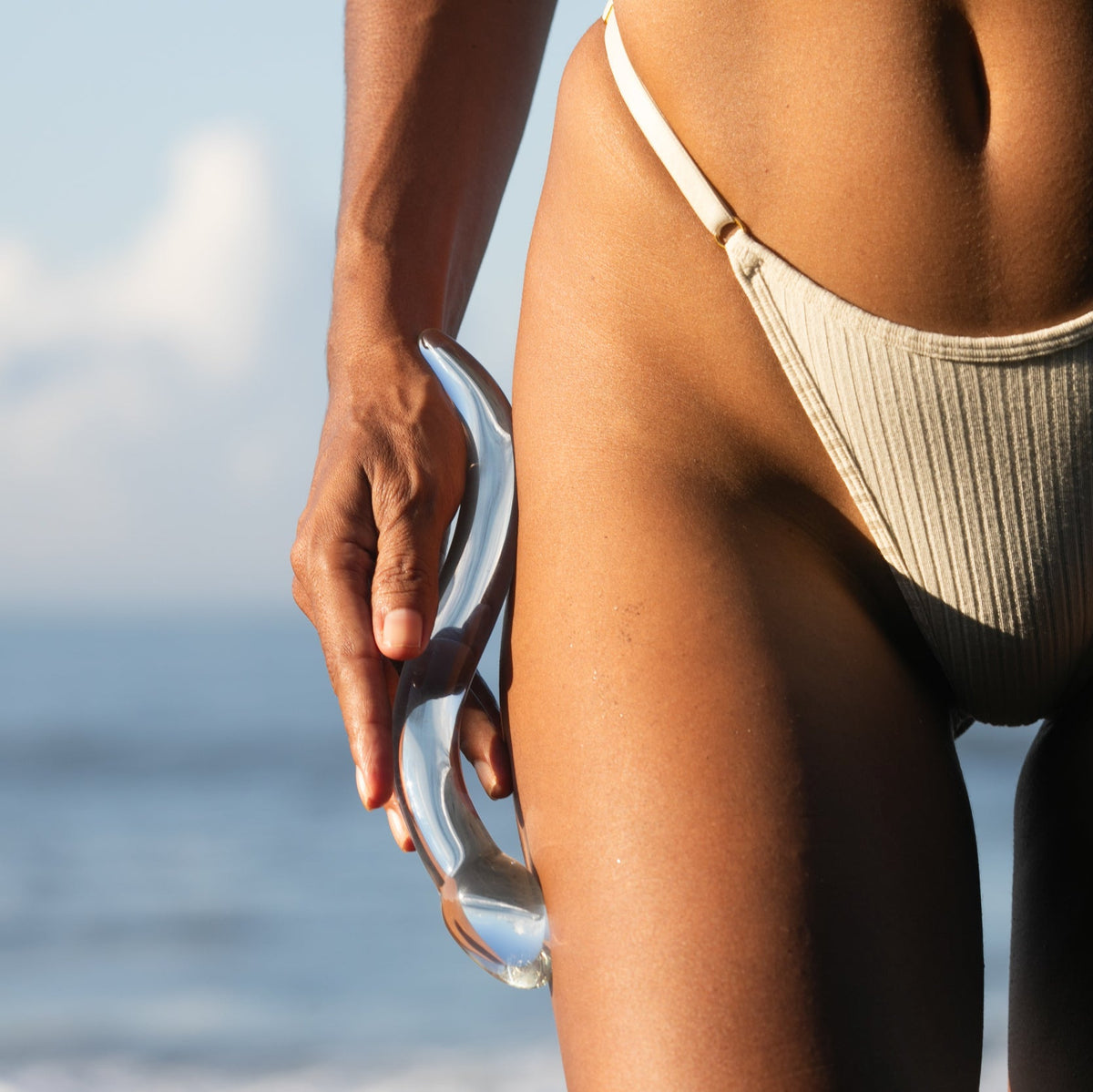
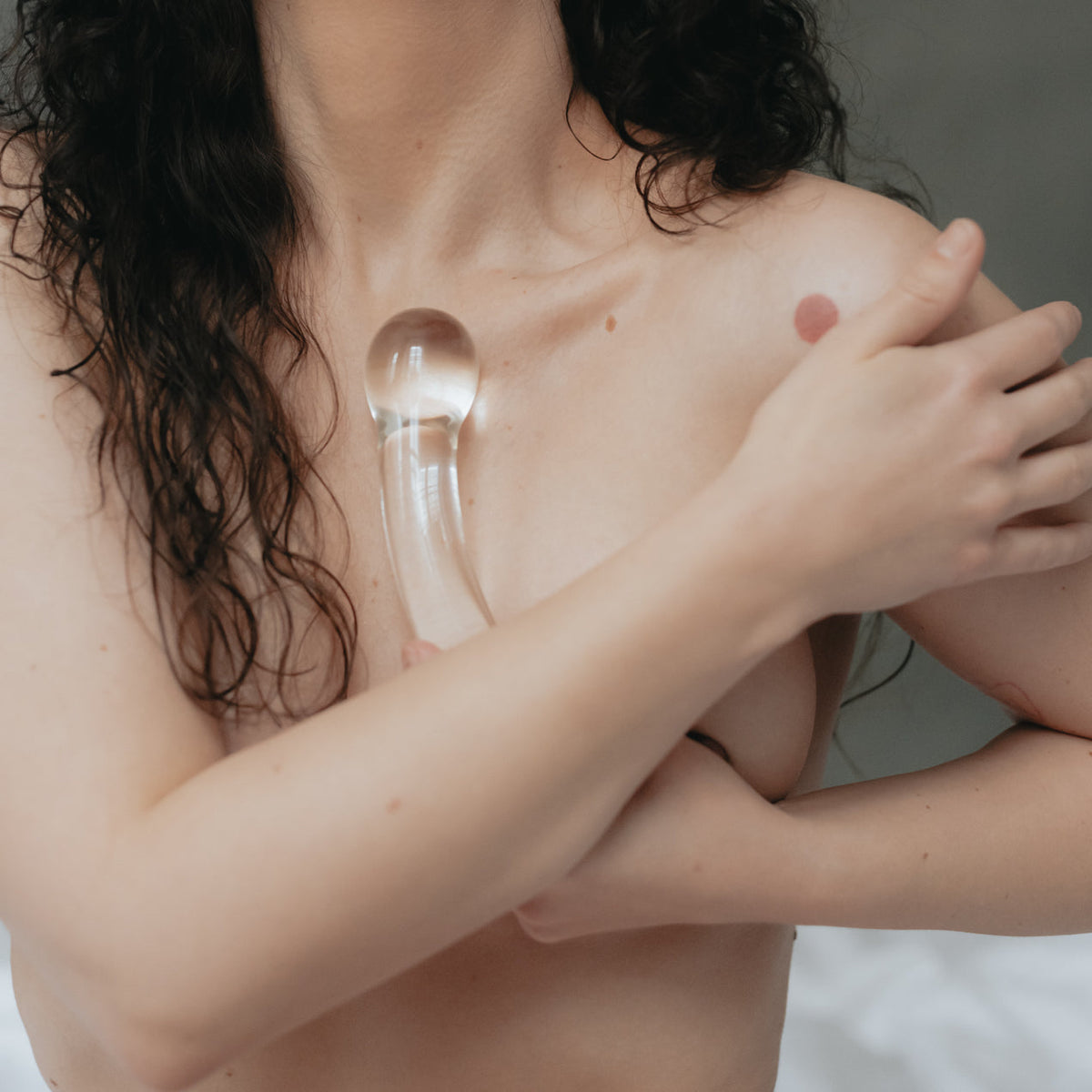
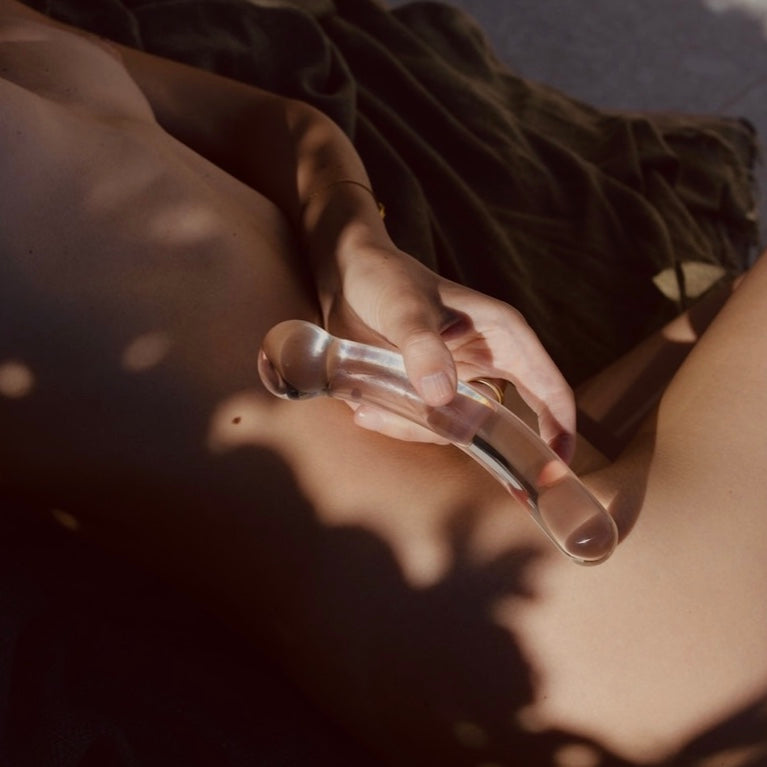
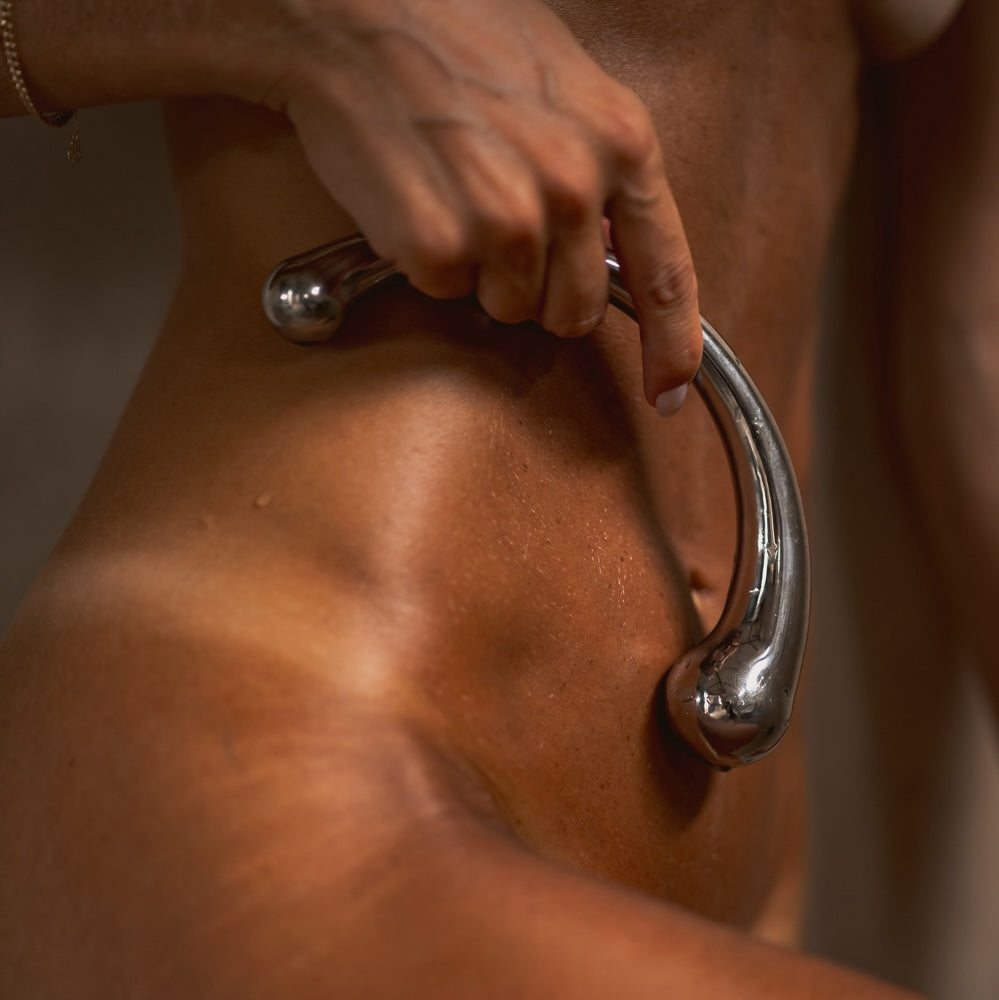
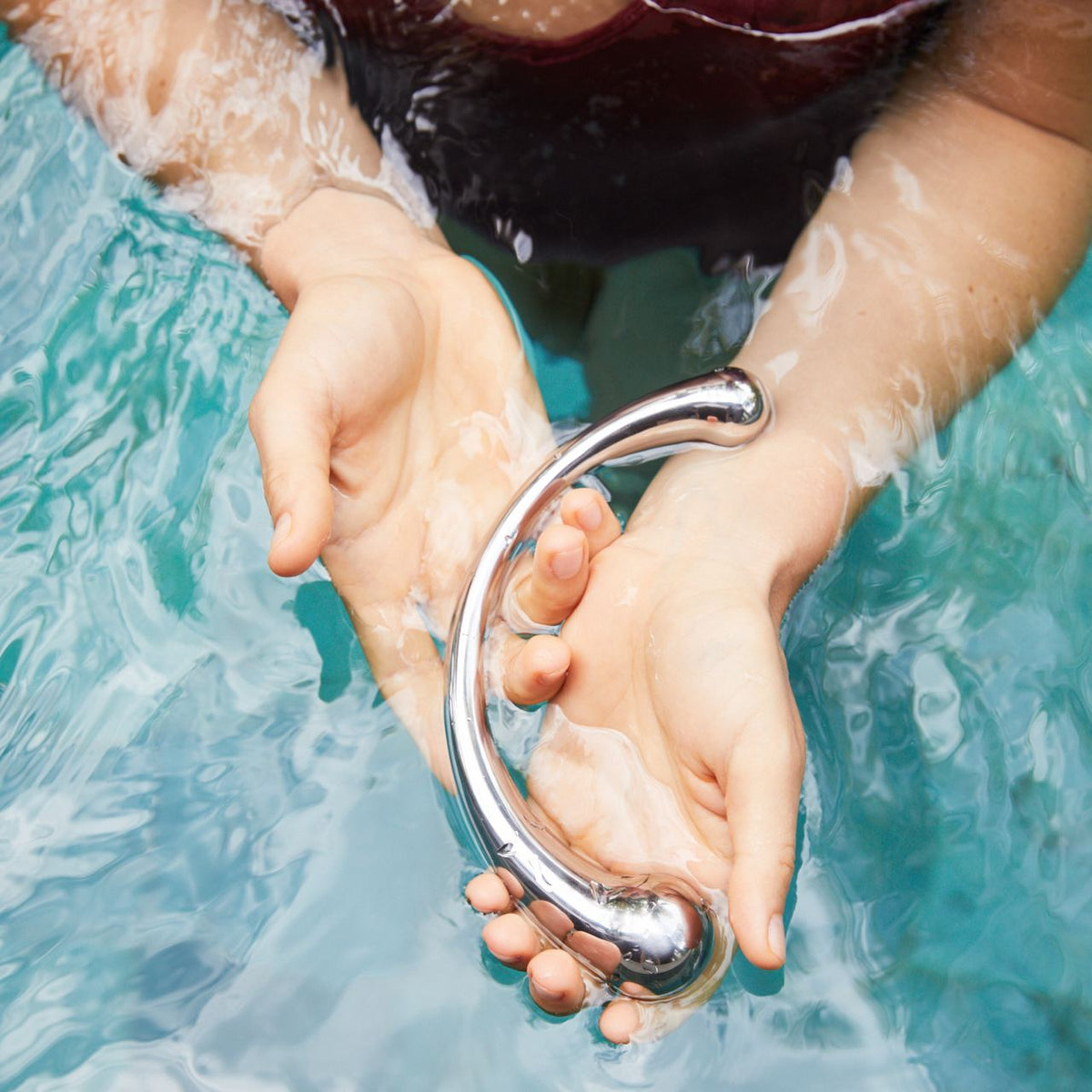
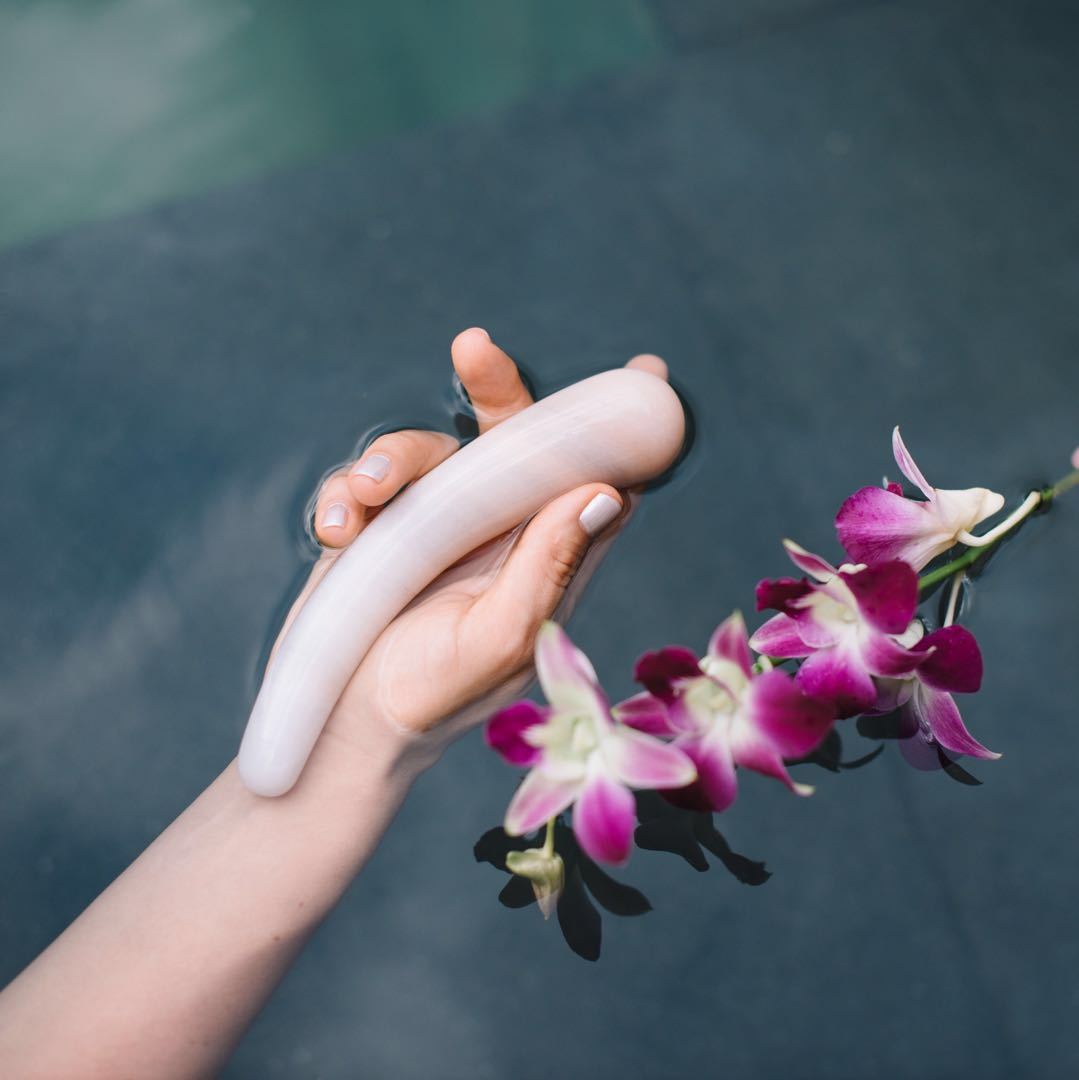
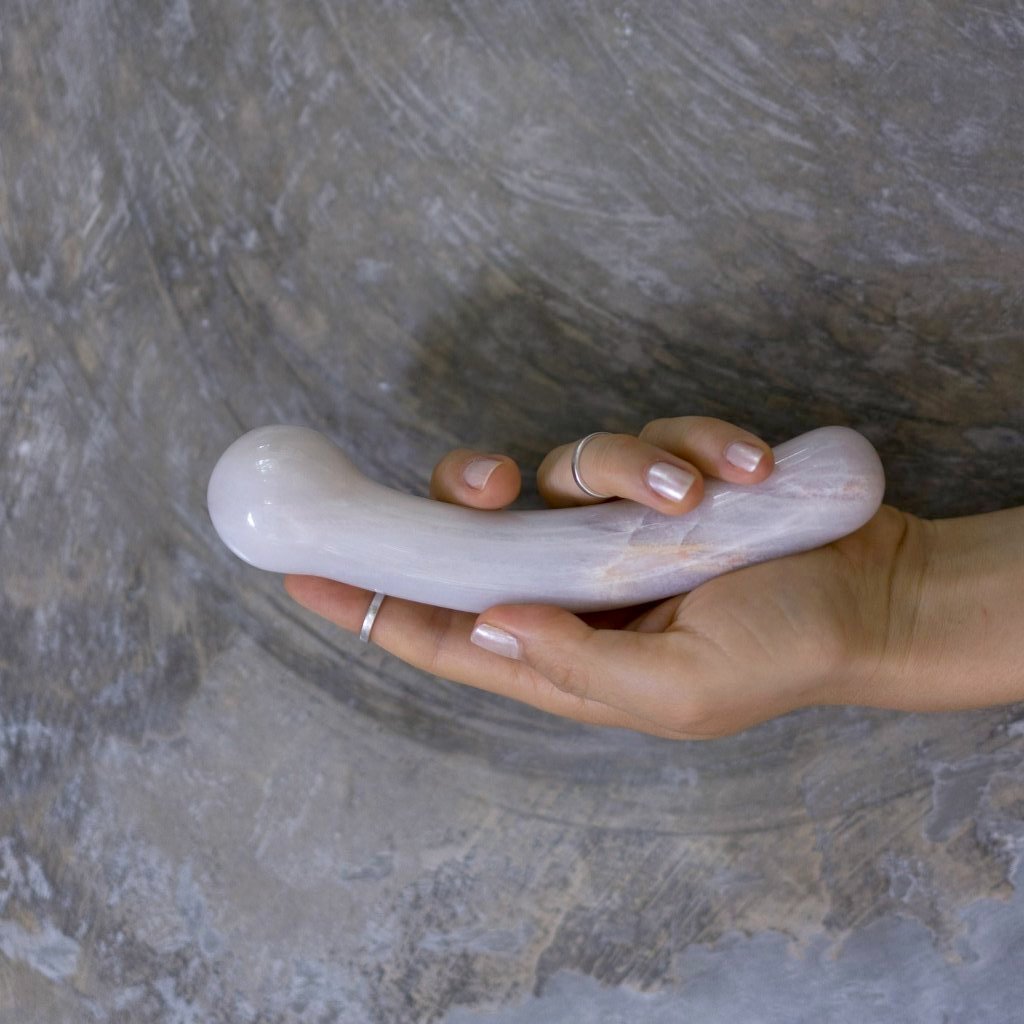
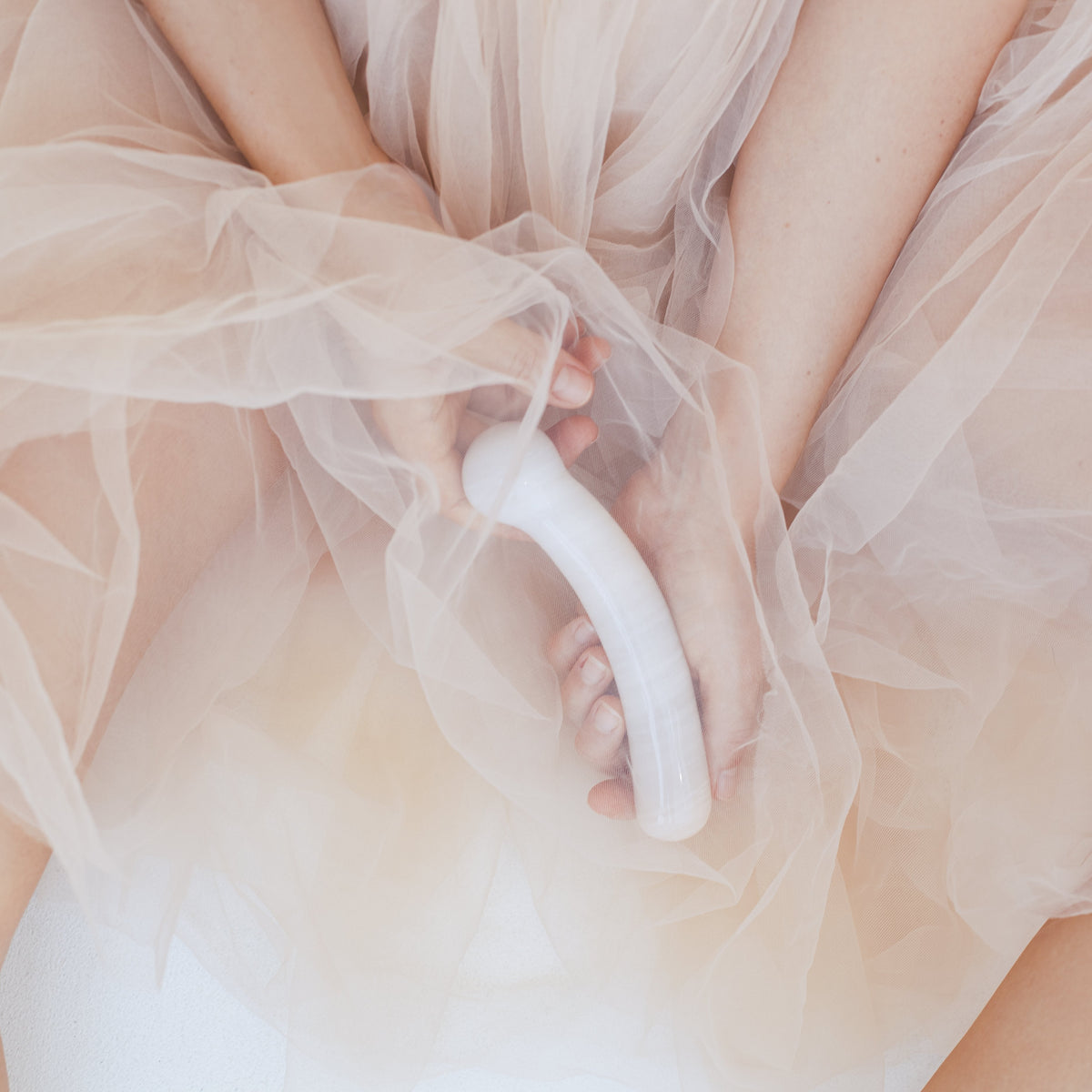
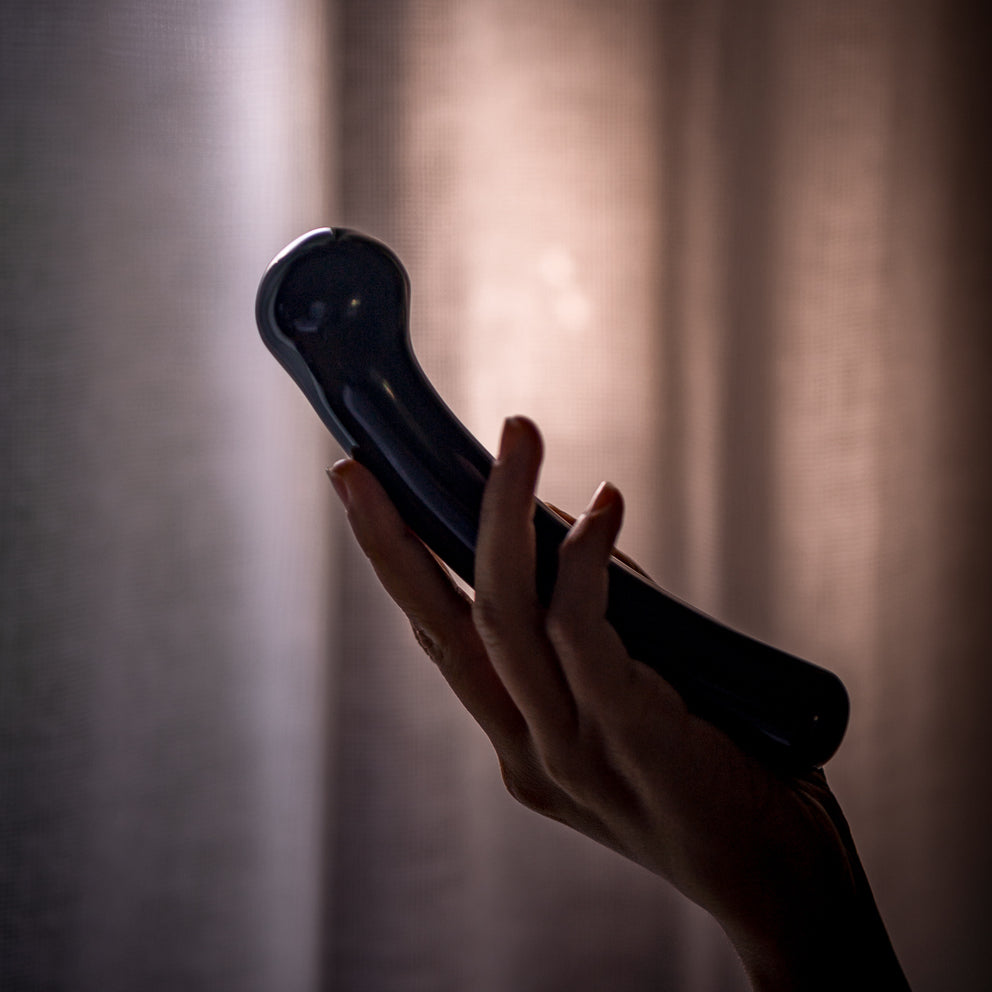
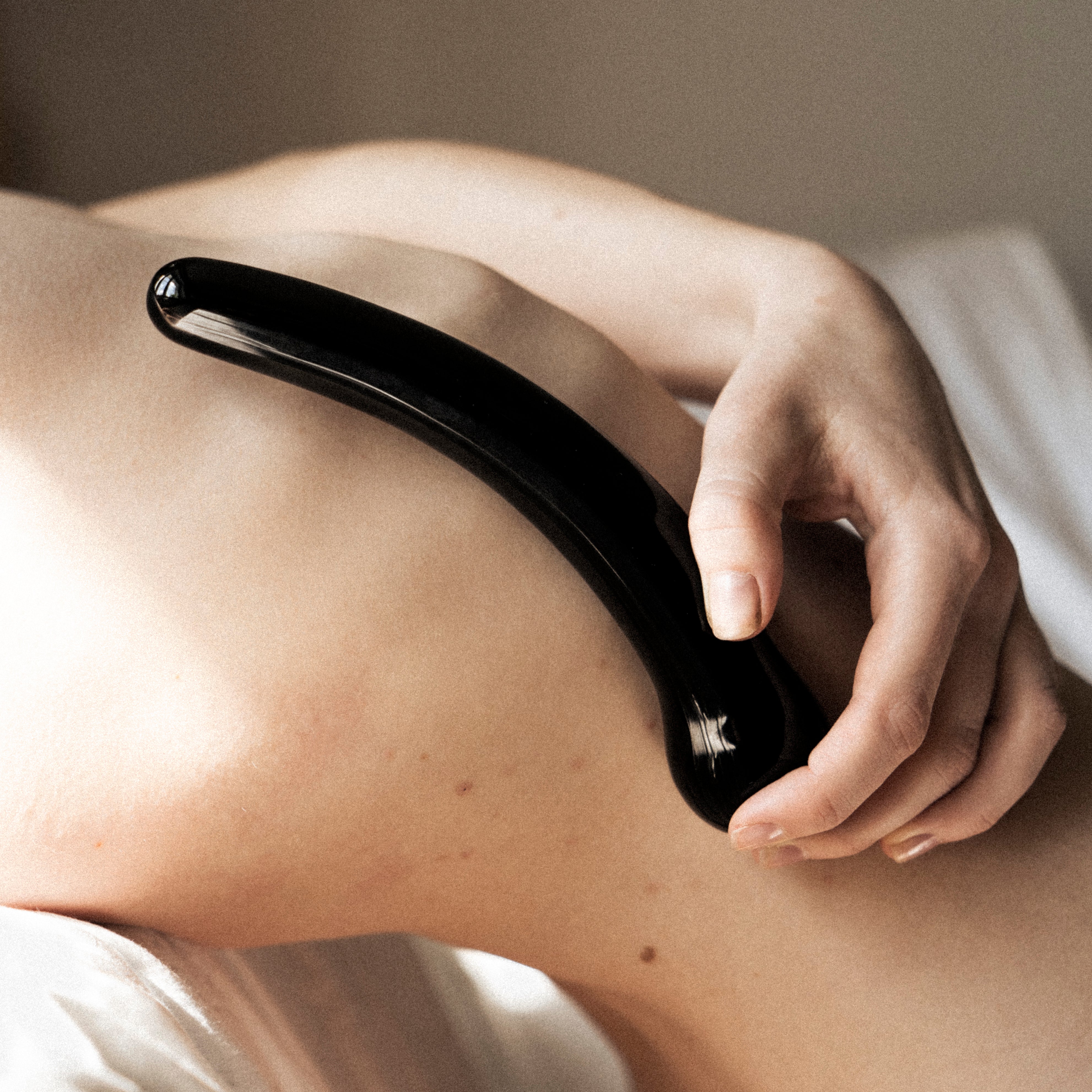
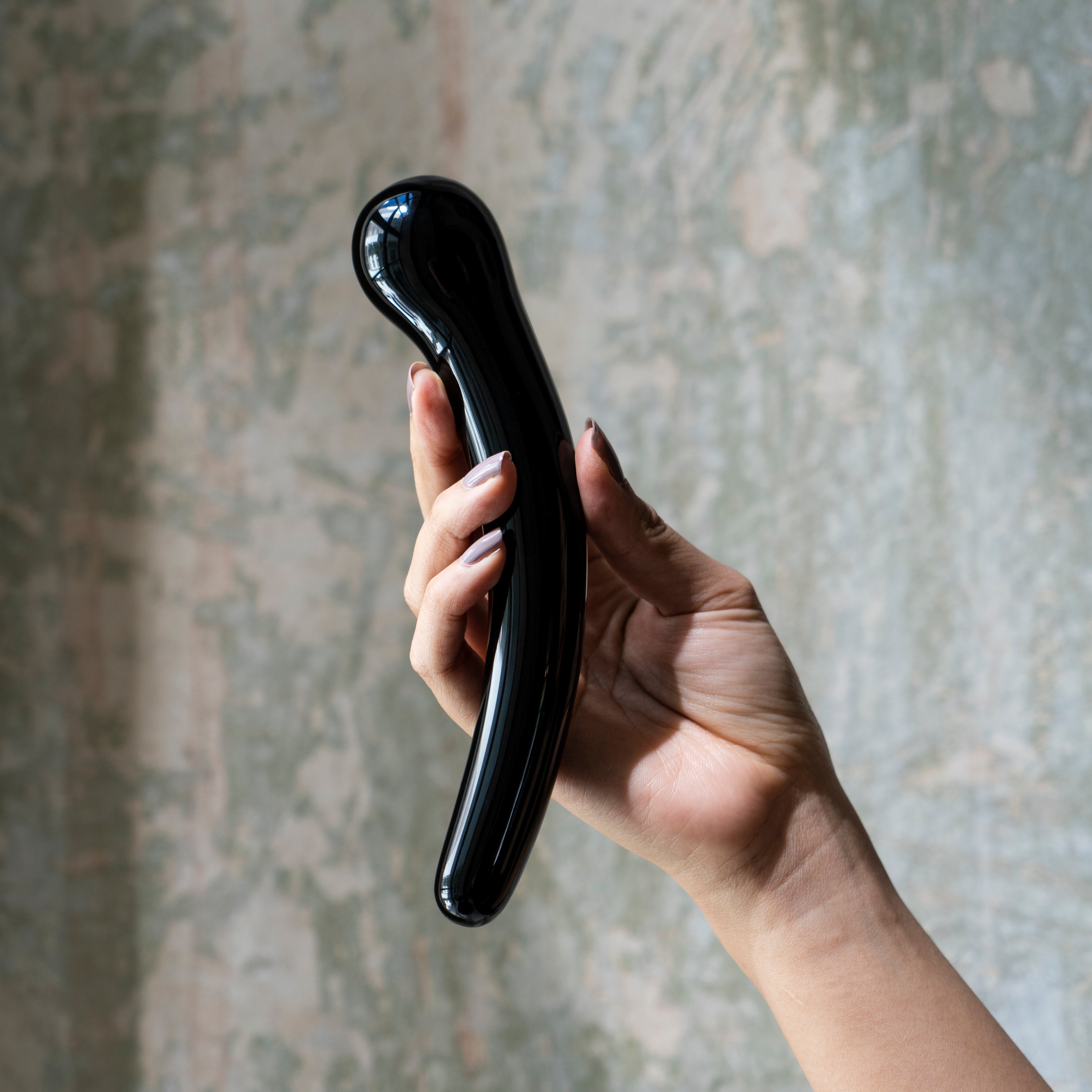
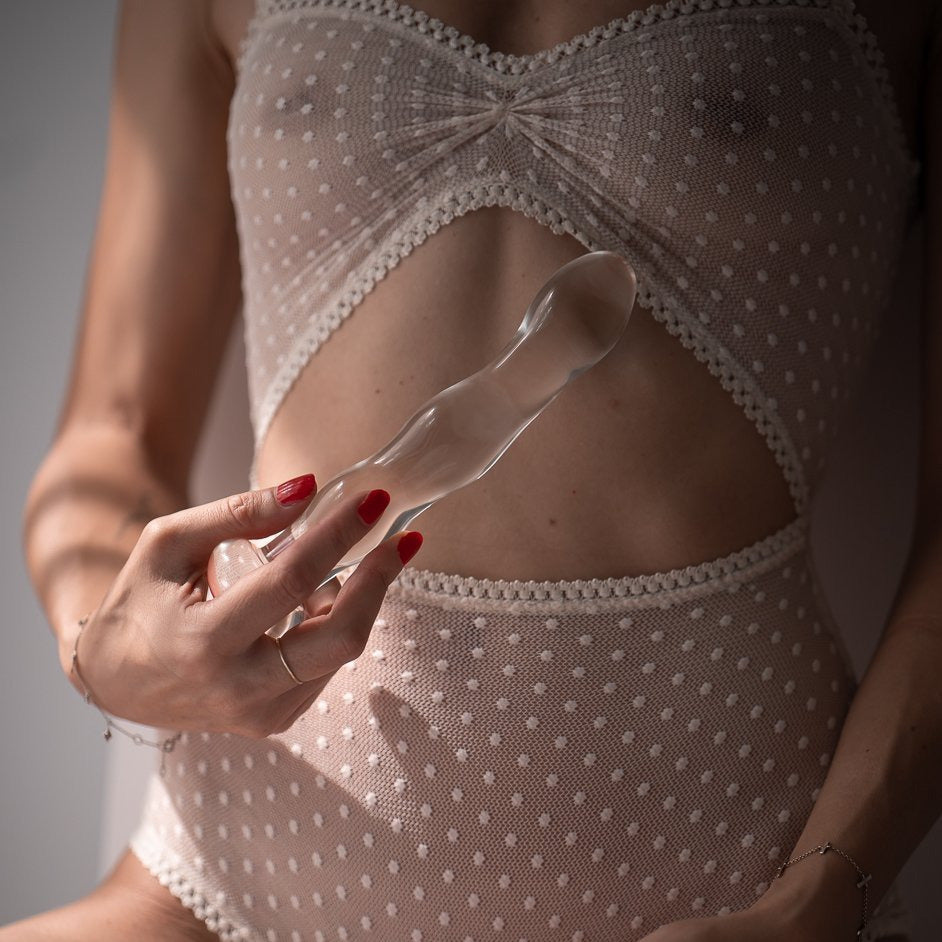
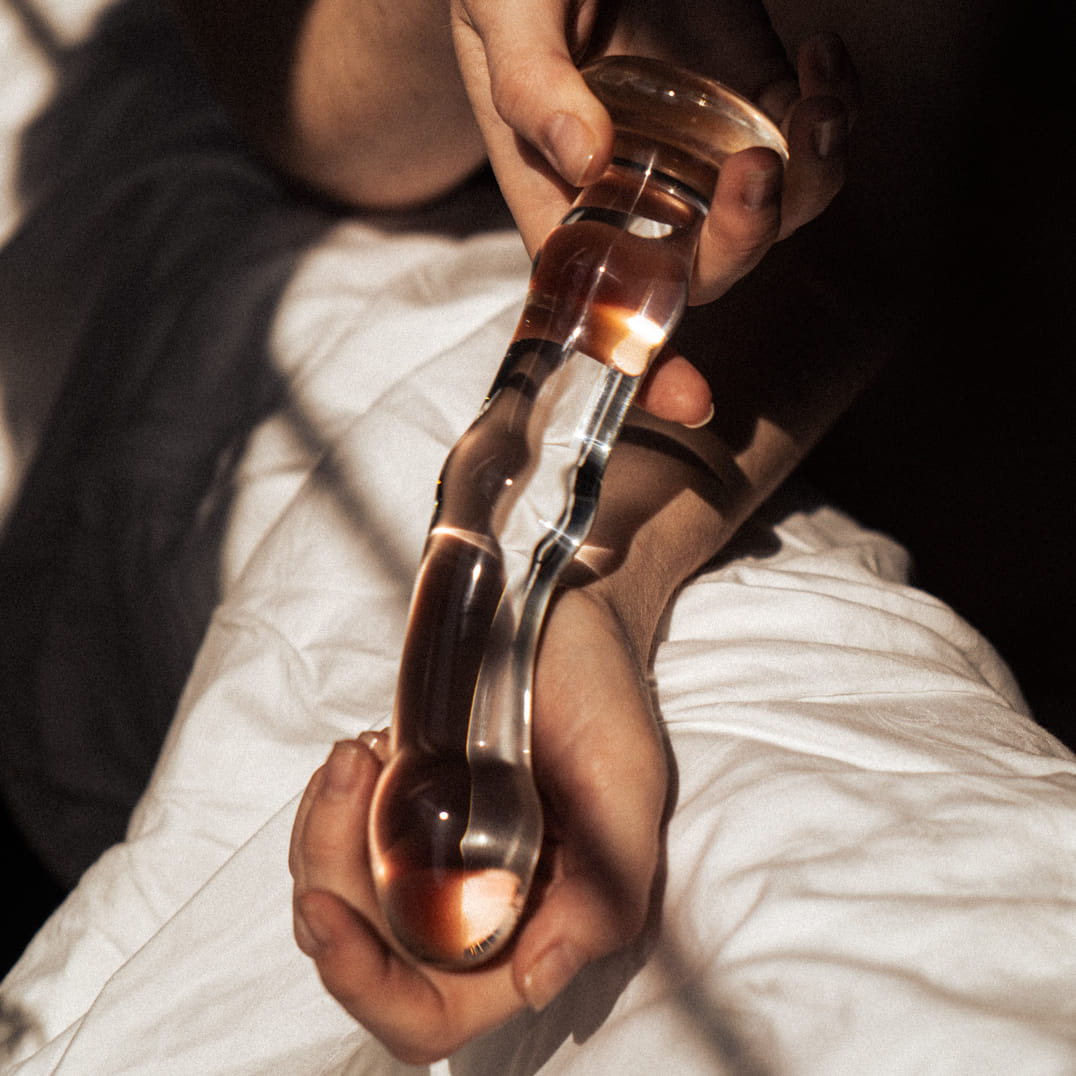
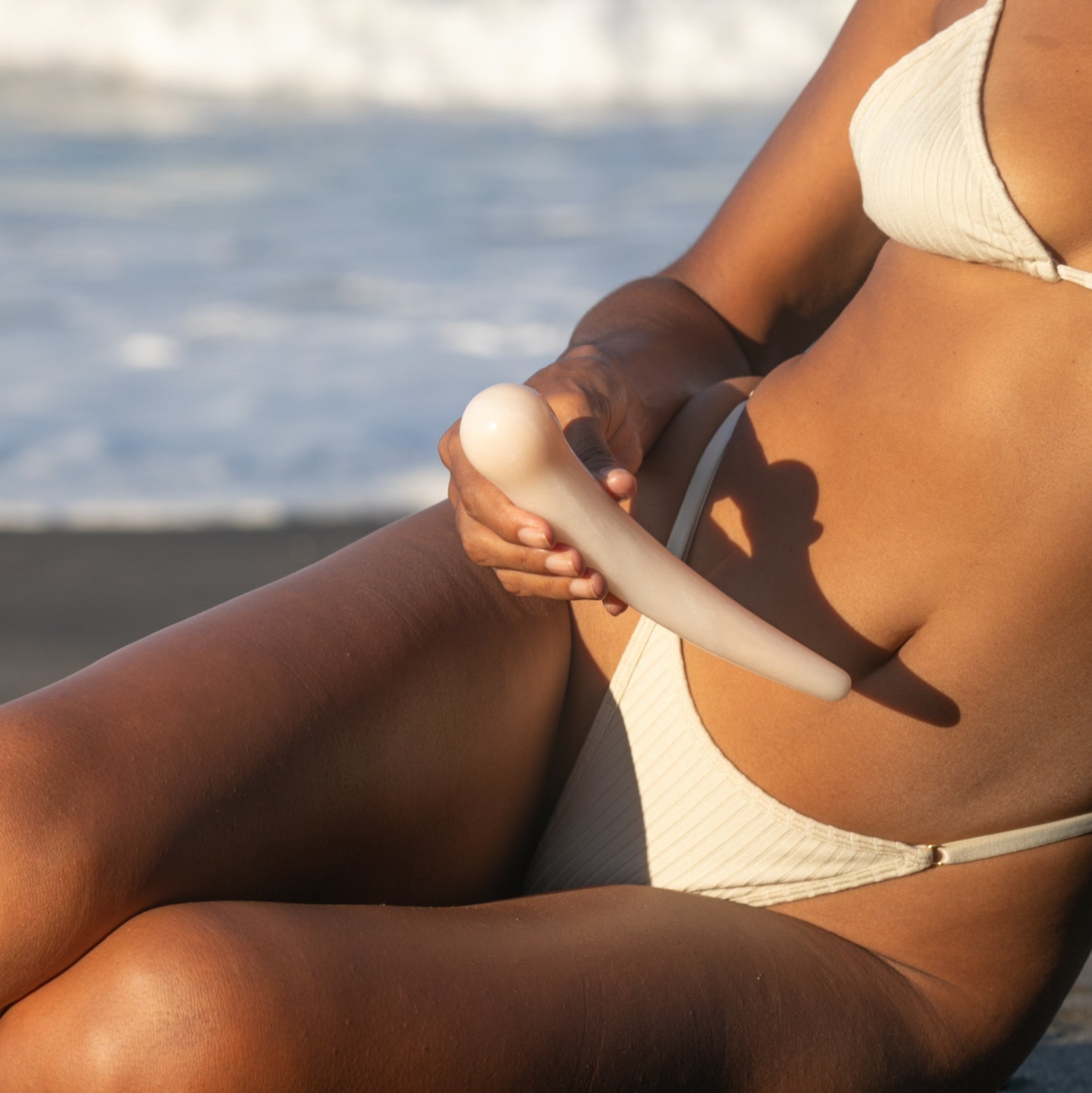
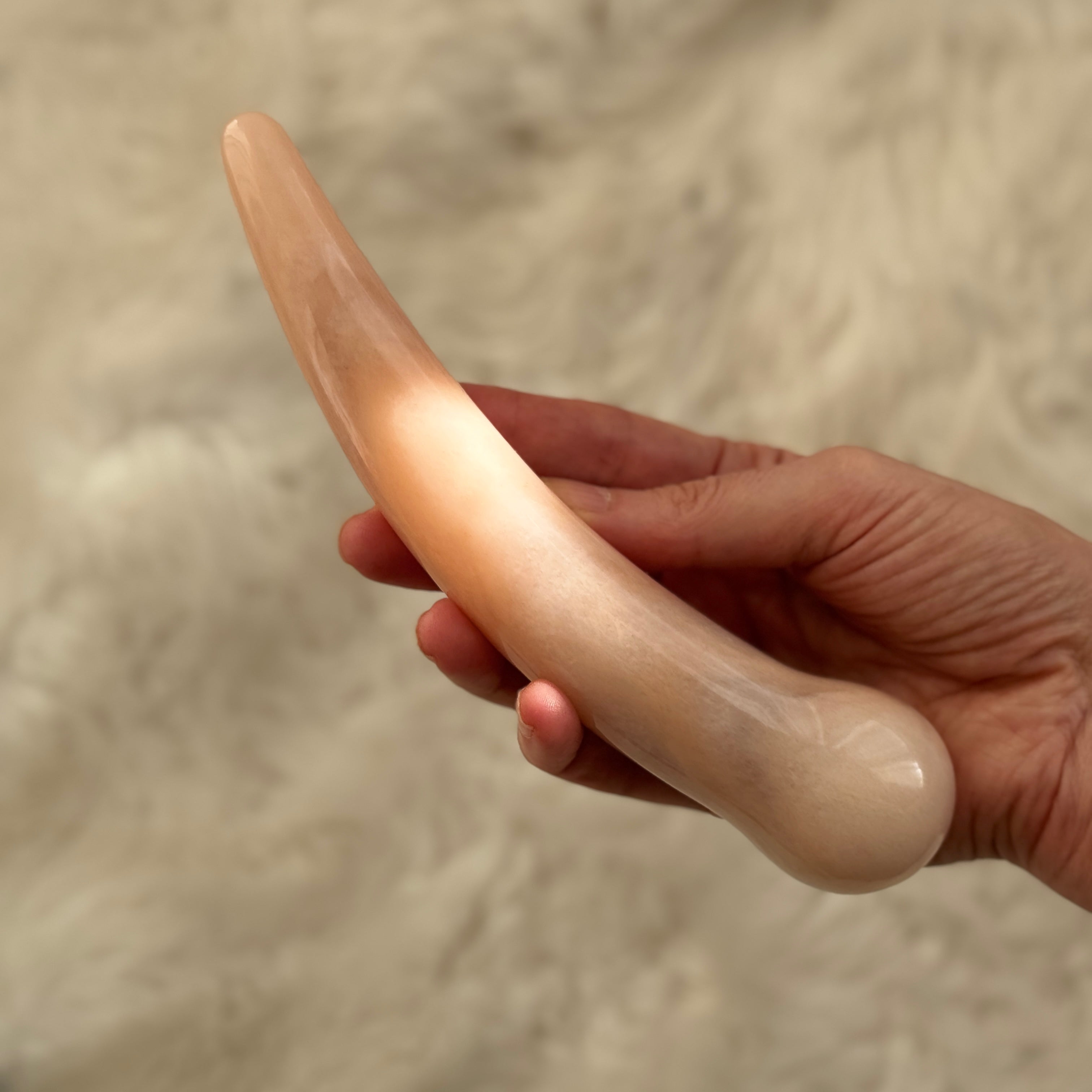
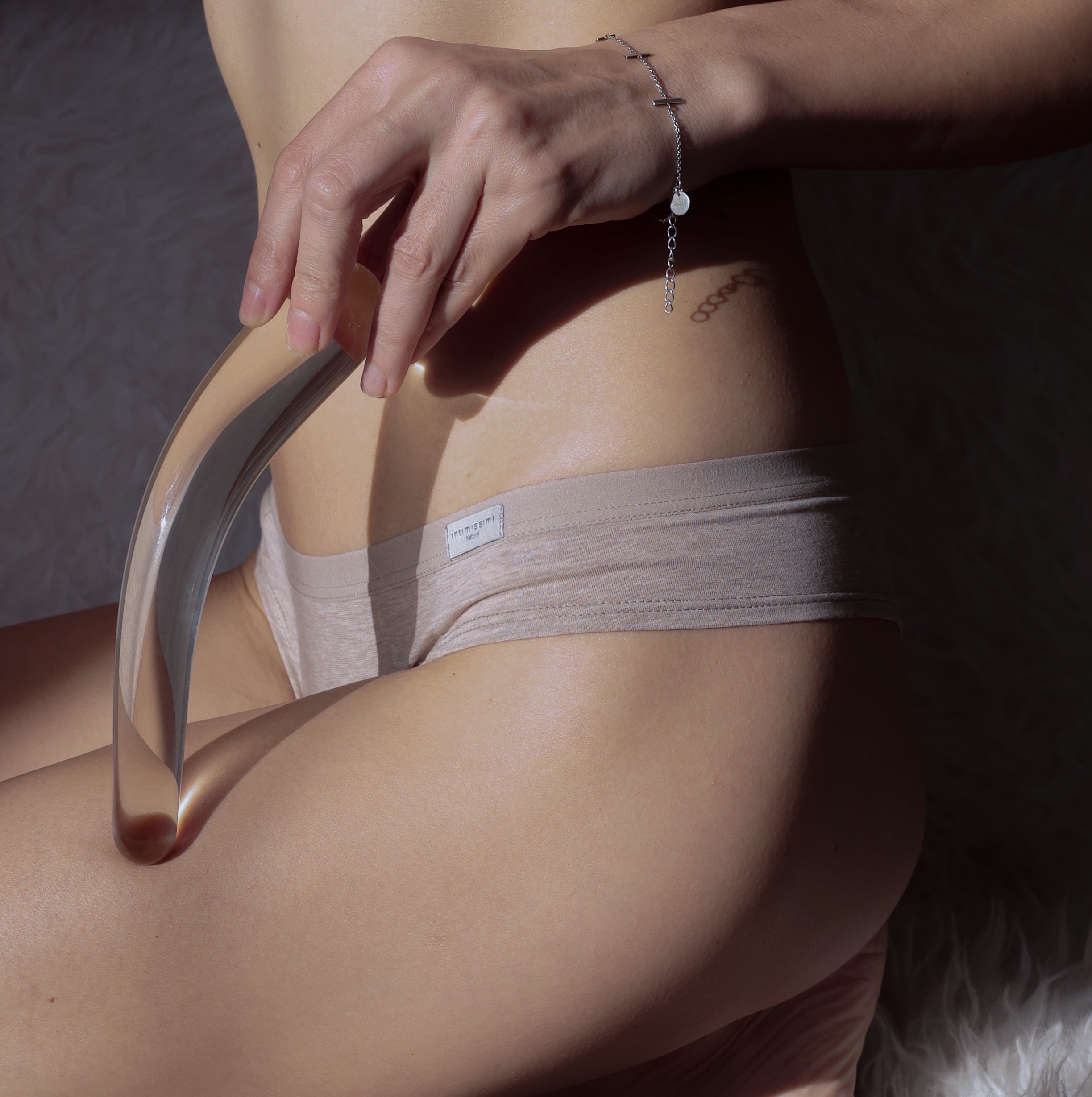
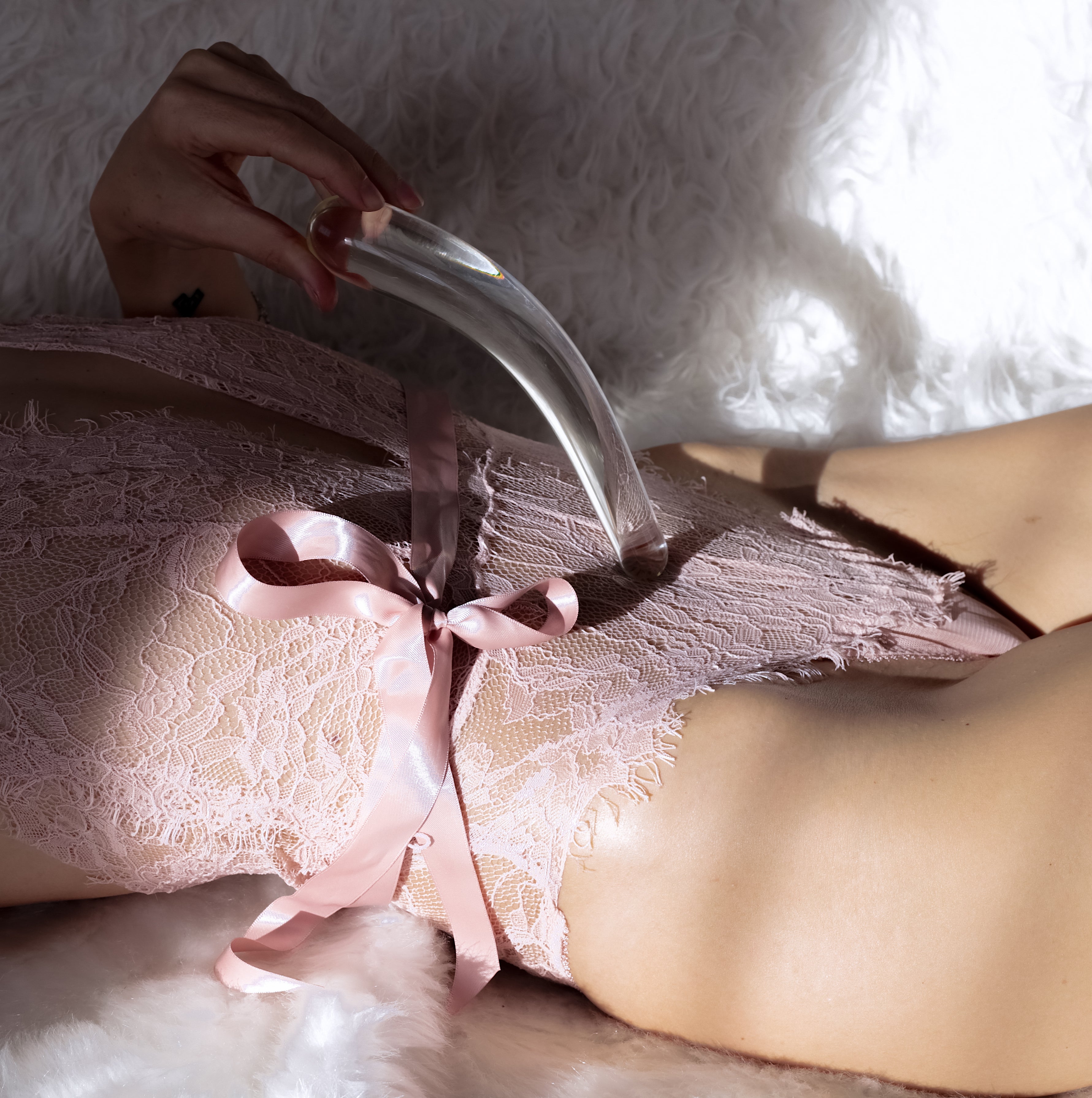
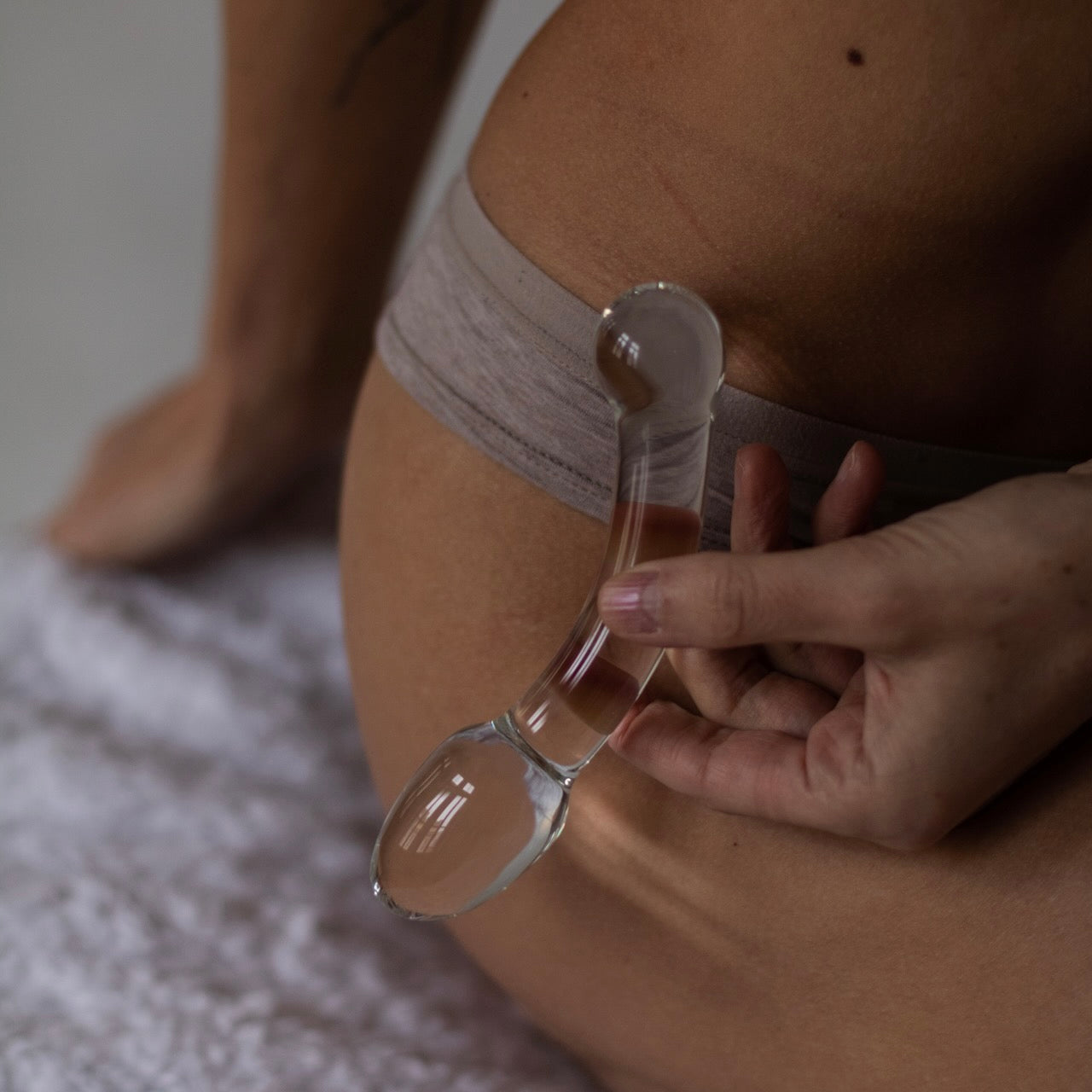
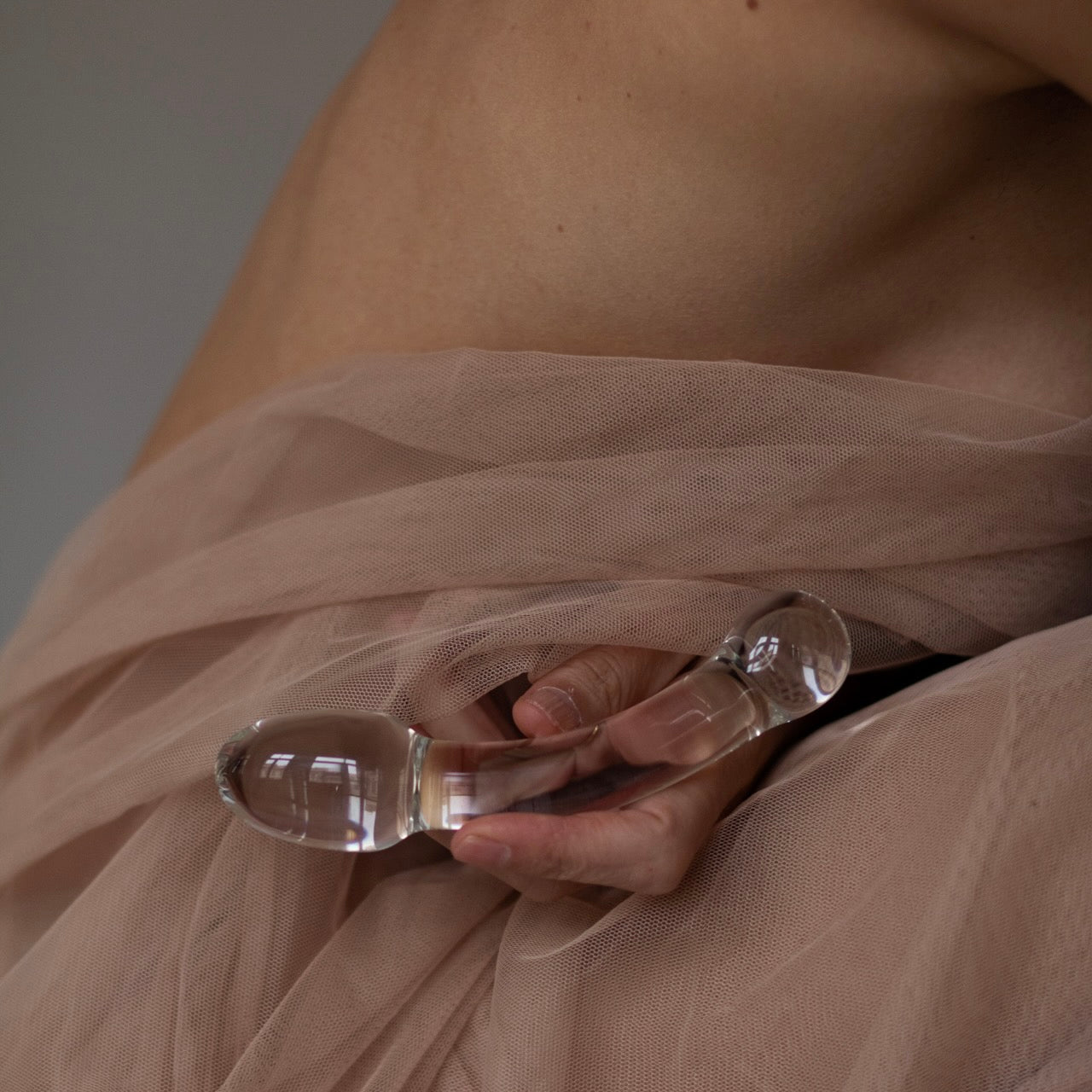
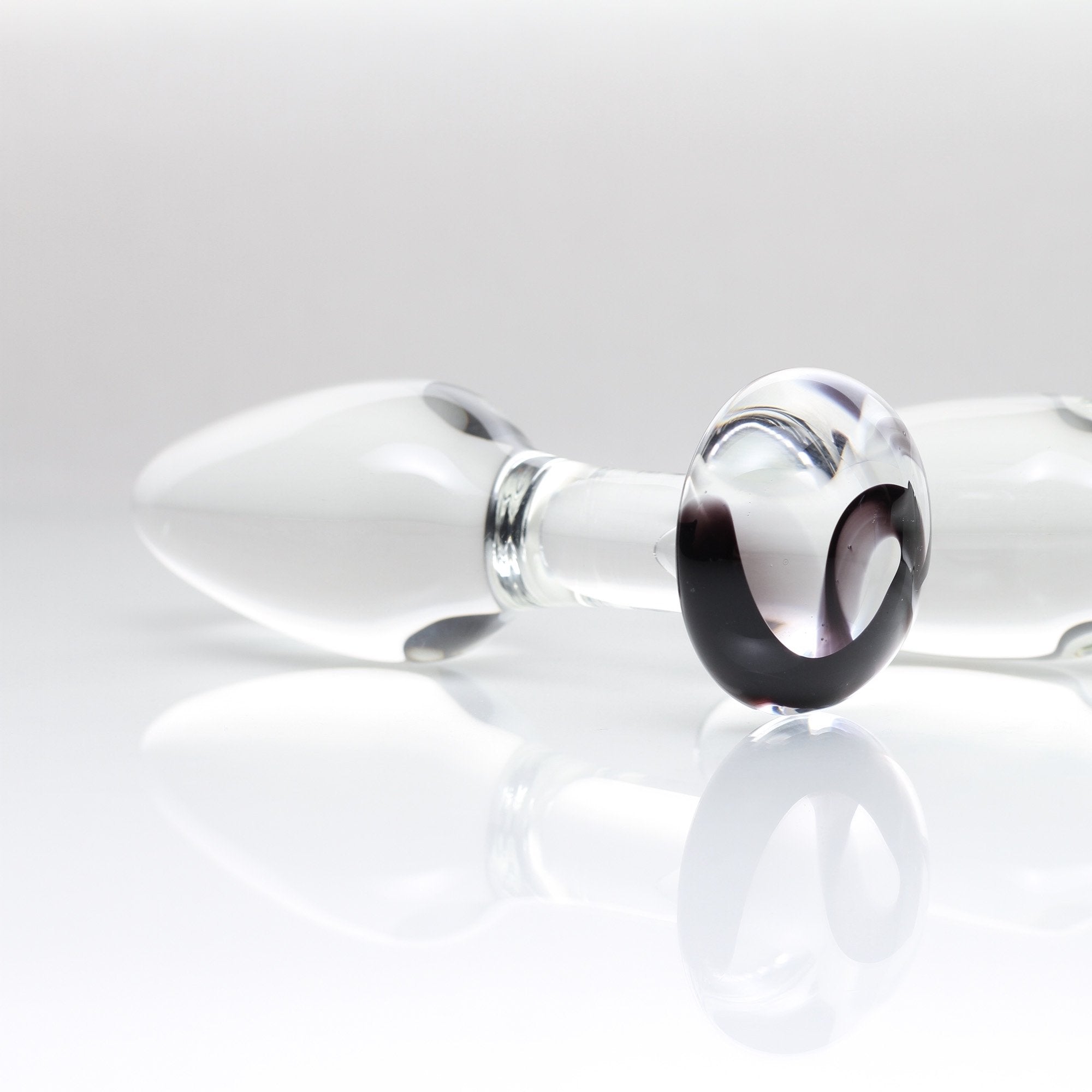
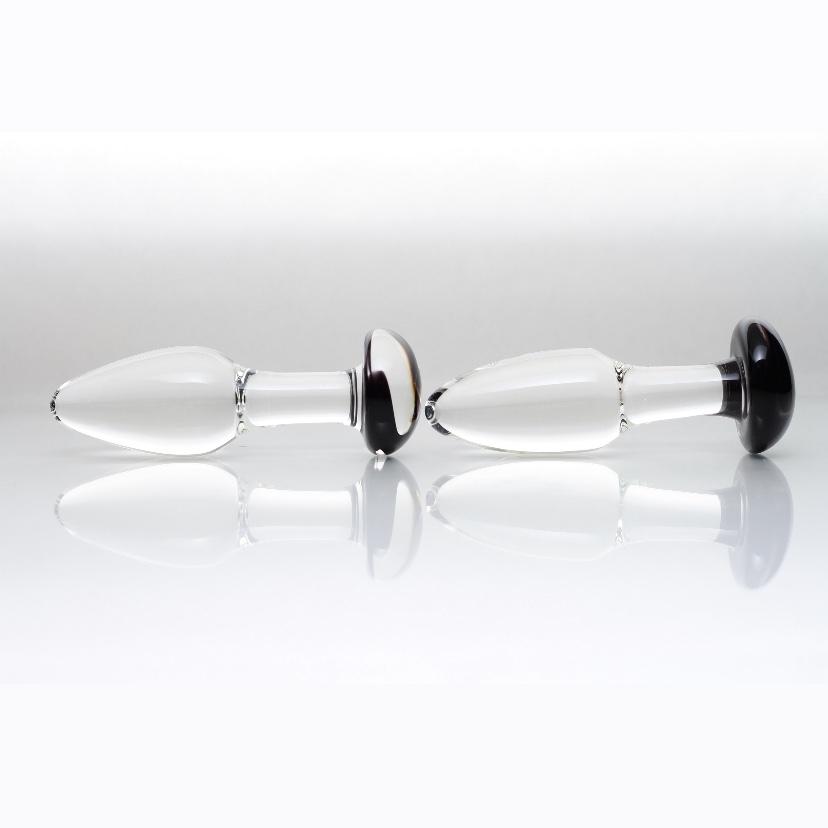
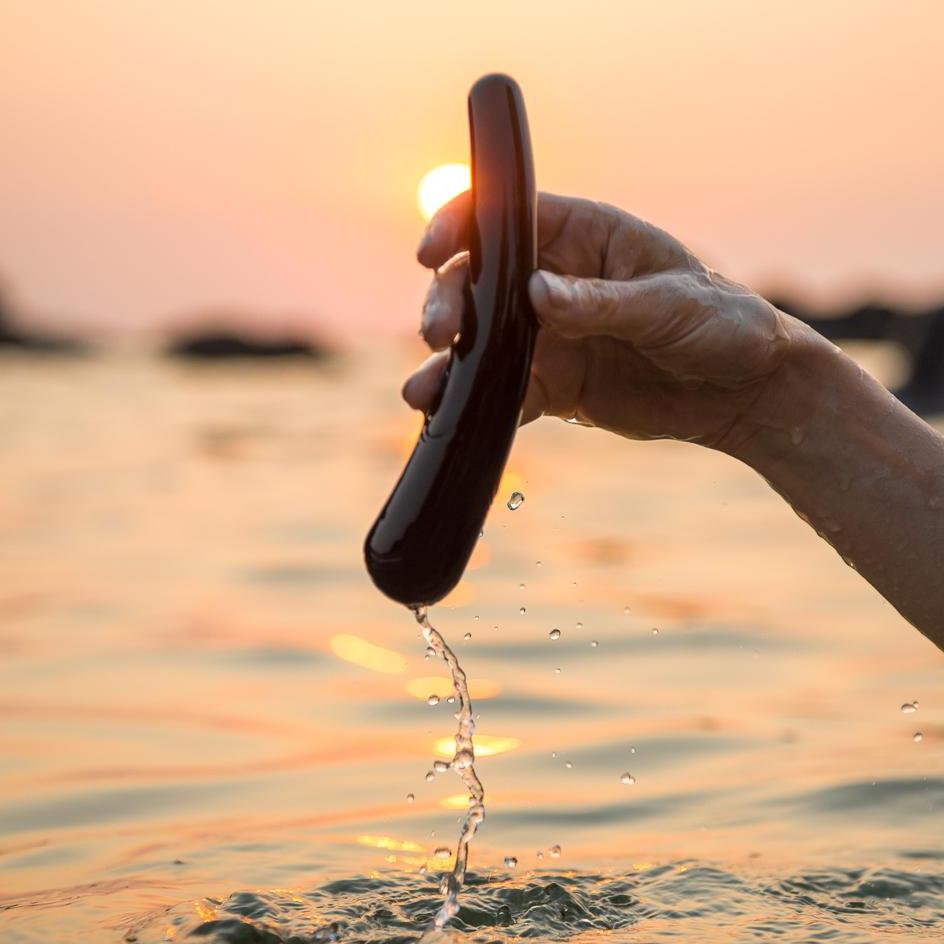
Many women also find that dedicated pleasure products make this exploration easier. A well-designed pleasure wand allows you to focus on your body's responses rather than on technique. Used with curiosity rather than expectation, these tools can help transform abstract knowledge into personal understanding.
Faking an orgasm is often a symptom of a much larger pattern in which women's pleasure is treated as secondary—to harmony, to performance, to someone else's satisfaction, or simply to the assumption that "good sex" should unfold in a particular way.
Changing that pattern does not begin with deciding never to fake an orgasm again. It begins much earlier, with the decision to become an expert on your own body, on your own erotic self.
That knowledge changes the conversations you have with partners. It changes the questions you ask yourself. Most importantly, it changes the place your own pleasure occupies in your life as something worth understanding on its own terms.
A culture of performance
Sexual experiences do not happen in isolation. They are shaped by years of messages about what intimacy should look like, how bodies should respond, and what a "successful" sexual experience is supposed to involve. For women, those expectations often create a quiet pressure to be both desirable and easy to please. Pleasure becomes something to demonstrate rather than something to experience. A partner's enjoyment becomes proof that everything is working. An orgasm becomes the expected ending. A lack of response becomes something to explain or apologise for. This creates a situation where some women become highly skilled at reading someone else's reactions while remaining disconnected from their own. The result is not simply that someone fakes an orgasm. The deeper issue is that their own pleasure becomes secondary information.
Most women were never taught how pleasure works
One of the reasons this happens is surprisingly simple: most women have never received meaningful education about their own sexual anatomy.
Many people grow up learning about reproduction, contraception and sexual health, but pleasure is rarely discussed with the same level of detail. As a result, many women enter adulthood without a clear understanding of how their own bodies are designed to experience pleasure.
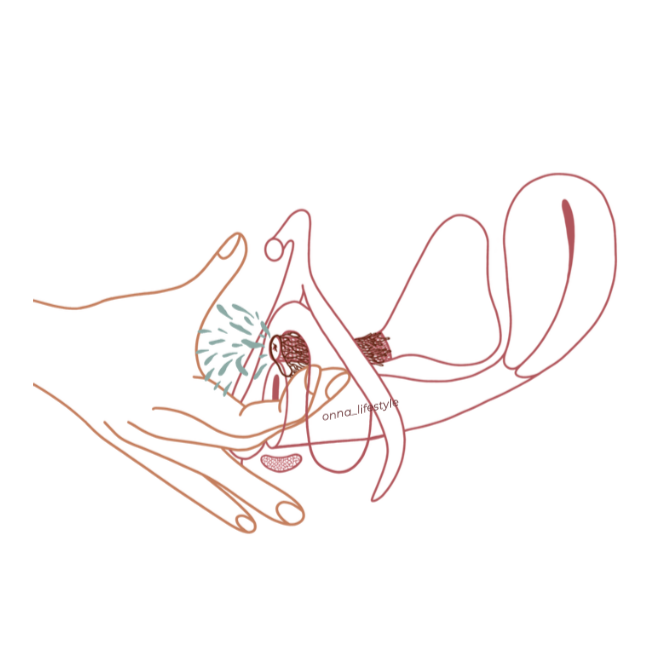
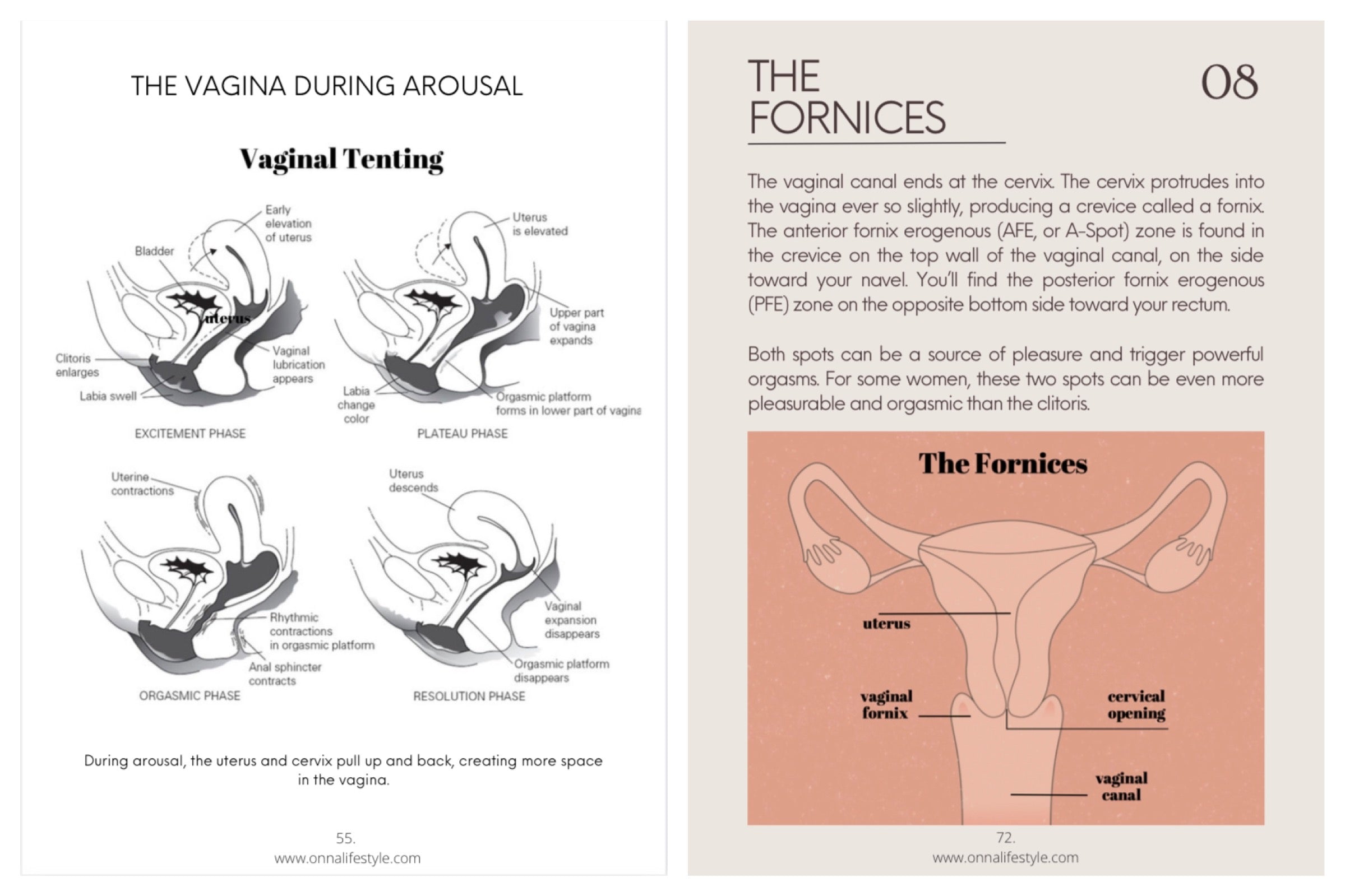
The clitoris, for example, is one of the most important structures involved in female pleasure, yet many people only learn about its external portion. The full structure extends internally and contains thousands of nerve endings dedicated to sensation. Understanding this anatomy helps explain why different types of stimulation create different experiences and why many women do not orgasm through penetration alone.
Beyond anatomy, pleasure is influenced by a combination of physical and psychological factors. Stress, hormones, emotional safety, body image, medication and familiarity with one's own responses can all affect arousal.
Without this knowledge, women often interpret their experiences incorrectly. They assume they are difficult to please, that something is wrong with them, or that they simply need to try harder.
In reality, they may simply need better information.
Becoming an expert on your own body
Learning anatomy is the foundation, but knowledge becomes powerful when it is combined with experience.
A person cannot learn another person's preferences by reading about them. The same is true for your own body. Understanding the science of pleasure gives you the framework, but exploration teaches you the details that are unique to you.
What kind of stimulation feels best? What changes depending on your mood, stress levels or cycle? What helps you stay present? What makes your body respond? These answers are personal, and discovering them requires time and attention.
For many women, solo exploration is the first opportunity to experience pleasure without the pressure of performing for anyone else. There is no expectation to reach a particular outcome and no need to focus on whether someone else is enjoying the experience. The focus shifts from achieving a result to understanding a response. This is where self-knowledge begins.
Why pleasure tools can change the way women explore
Modern pleasure tools can be valuable because they allow women to explore their bodies in a way that is consistent and intentional.
A well-designed pleasure wand is not simply a device for producing sensation. It is a tool that allows women to notice patterns and preferences. Different levels of intensity, pressure and stimulation provide information that can help build a clearer understanding of what feels good.
This knowledge does not stay limited to solo experiences. Women who understand their own bodies often find it easier to communicate with partners because they are no longer trying to describe something they are still guessing about.
They have language.
They have confidence.
They have a reference point.
At Onna, we believe pleasure products should be part of a larger conversation about sexual education and body awareness. That is why we combine thoughtfully designed pleasure tools with educational resources that help women understand their anatomy, their responses and their options.
Our Pleasure Resources are designed to make information about female anatomy and sexual wellbeing accessible, while our Pleasure Wands are created to support exploration in a way that feels intuitive, comfortable and empowering.
Pleasure begins with knowing yourself
The goal is not to achieve a perfect sexual experience every time. Bodies change. Desire changes. Every person has different needs and preferences.
The goal is to develop a relationship with your own body where pleasure is something you participate in, not something you perform.
Faking an orgasm is often a sign that a woman has learned to prioritise an outcome over her own experience. Changing that begins with a simple shift: becoming more interested in understanding yourself.
The more you know about your anatomy, the easier it becomes to recognise your responses.
The more you explore, the easier it becomes to communicate.
And the more connected you become to your own pleasure, the less likely you are to feel like you need to pretend.