

How To Use A Pelvic Wand
How to Use a Pelvic Wand: A Step-by-Step Technique for Real Relief at Home
Key Takeaways• A pelvic wand mimics a physiotherapist's finger to release tight internal pelvic floor muscles.• Always use water-based lubricant generously before insertion — it is non-negotiable.• Apply gentle, sustained pressure to tender points; keep pain below 3/10 at all times.• Short, consistent sessions (5–15 minutes daily) produce the best cumulative results.• Explore our cervix and pelvic wands collection or visit Onna Lifestyle for body-safe tools crafted for pelvic wellness.
Pelvic floor tension is far more common than most people realise — and yet it rarely gets the attention it deserves. Whether it shows up as pelvic pain, discomfort during intimacy, or a persistent sense of tightness, these sensations often point to overworked, over-contracted muscles that simply need release. That is exactly where pelvic wand use comes in. Designed to mimic a clinician's finger for internal muscle release, a pelvic wand allows you to access deep trigger points in your own time, in your own space, at a pace that feels right for you and your body. This article walks you through everything — correct preparation, insertion technique, pressure guidance, and safety considerations — all aligned with pelvic health physiotherapy protocols. Whether you are new to pelvic wand use or looking to refine your approach, you will find everything you need below.
What Is a Pelvic Wand and What Does It Do?
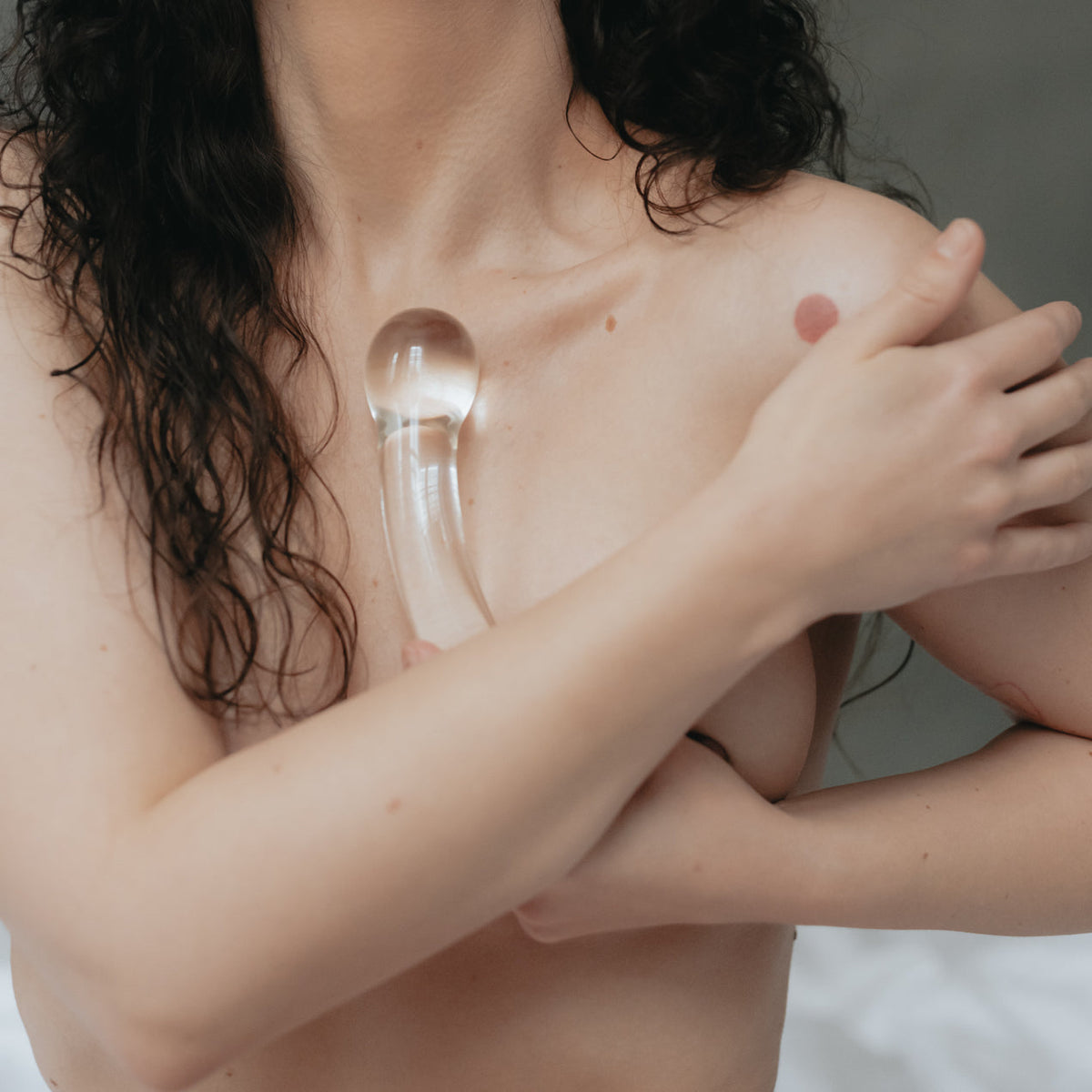
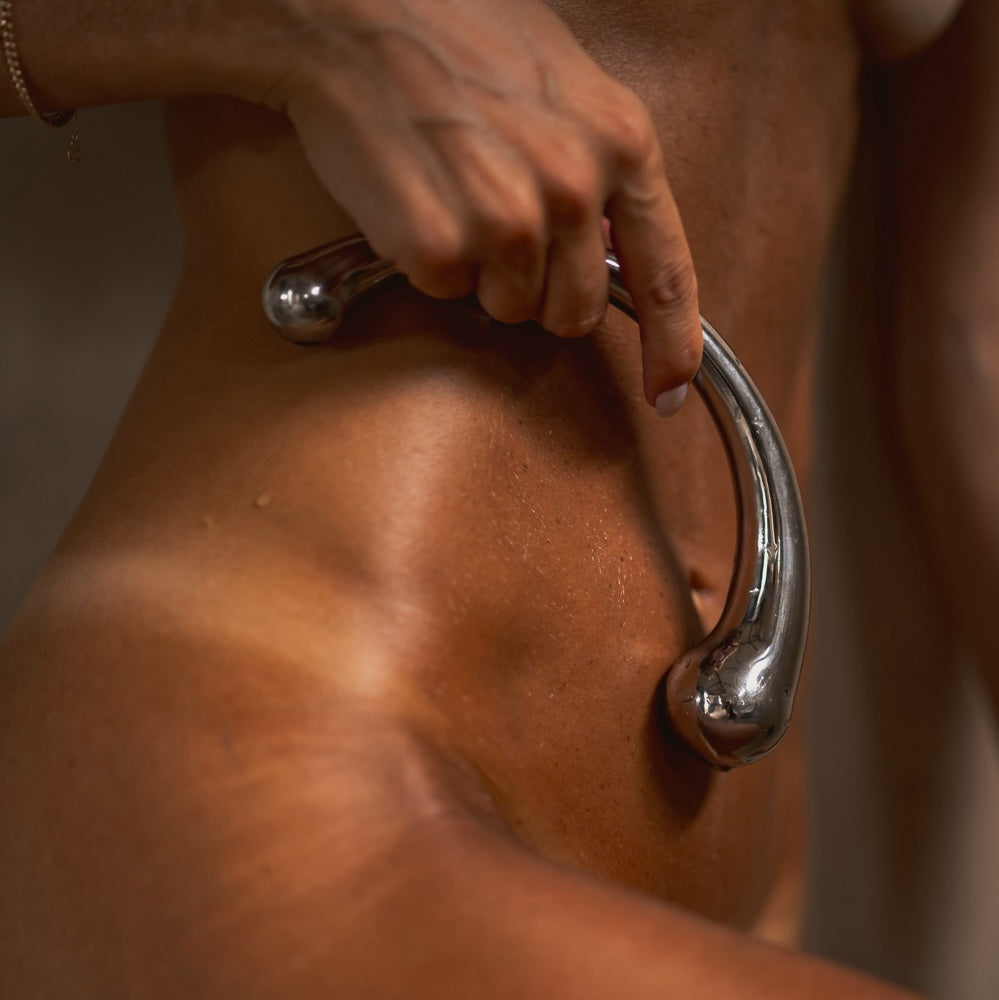
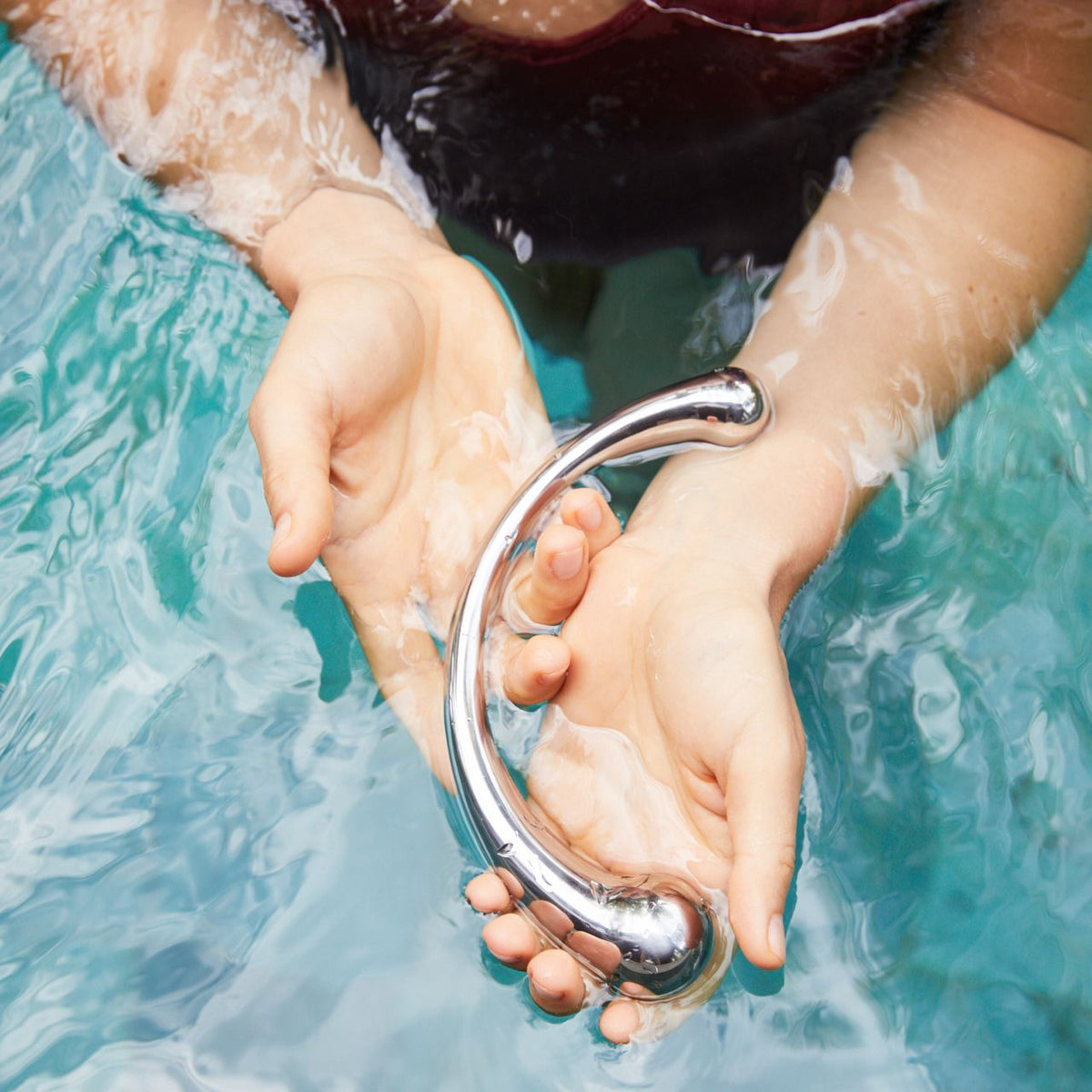
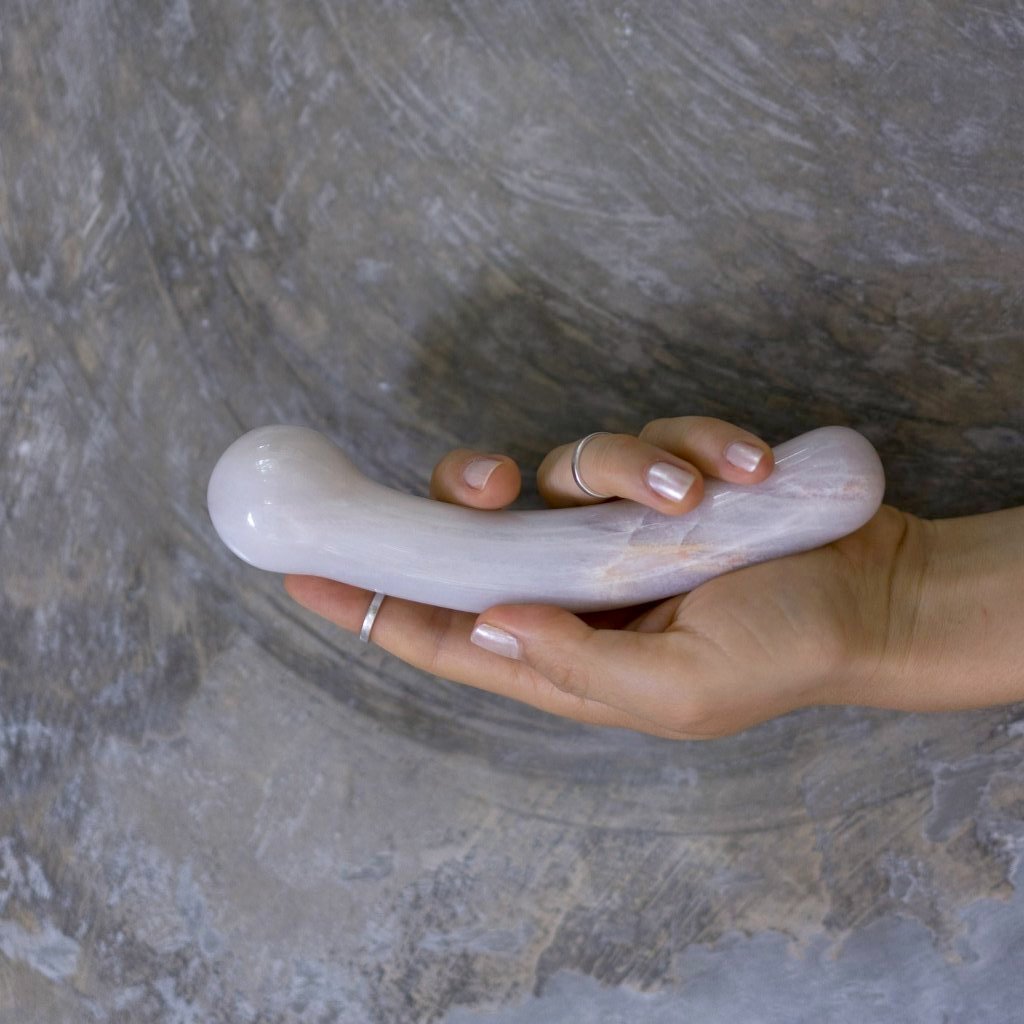
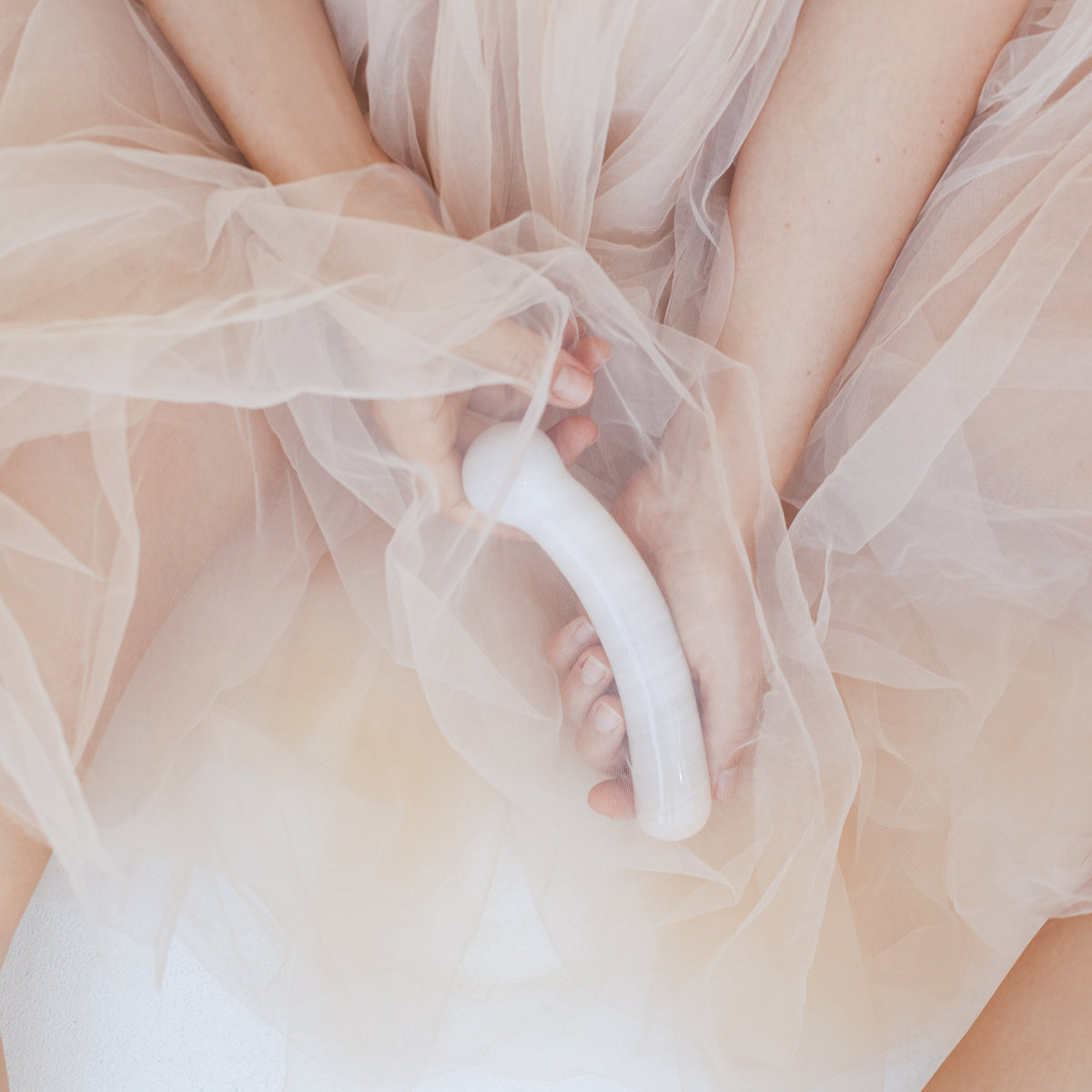
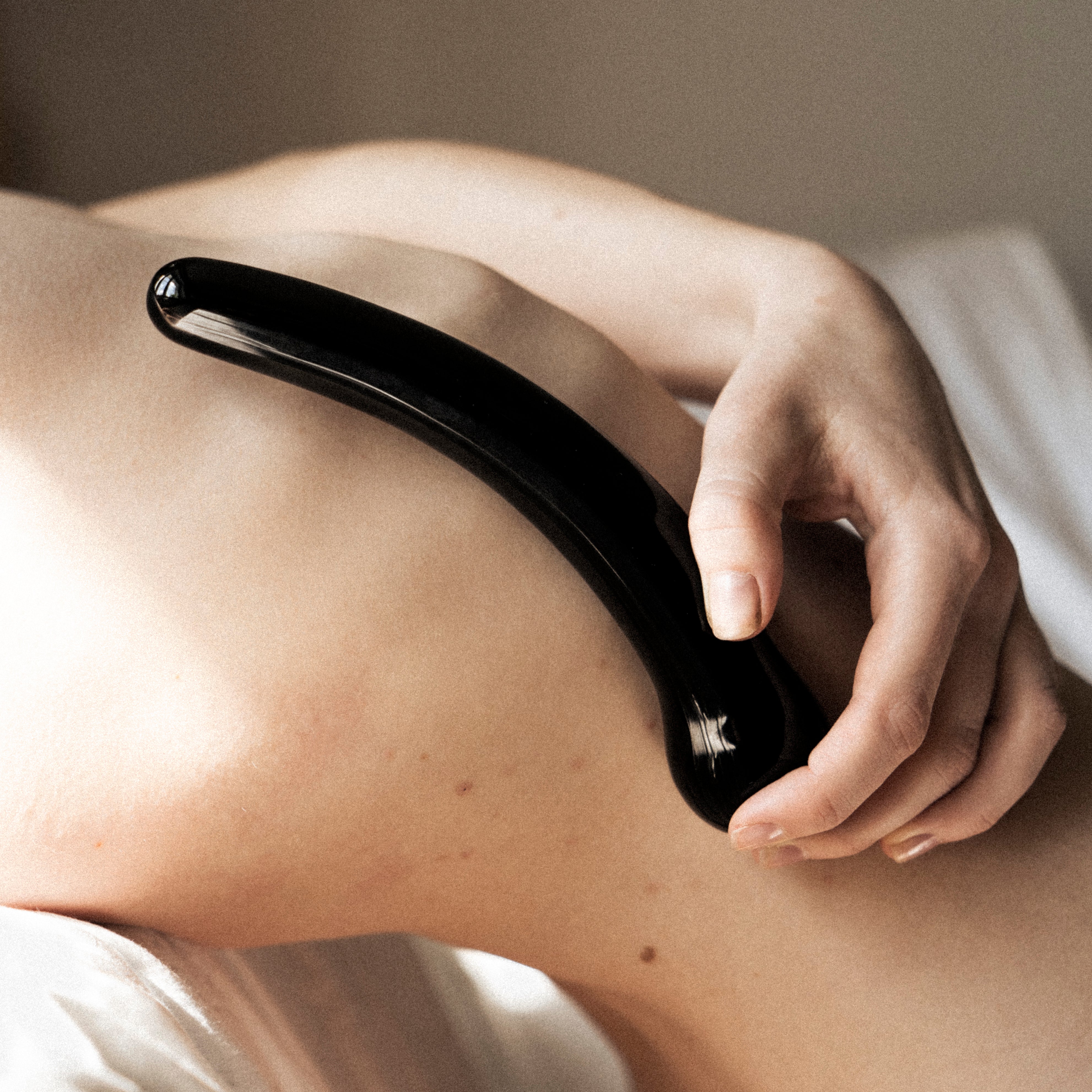
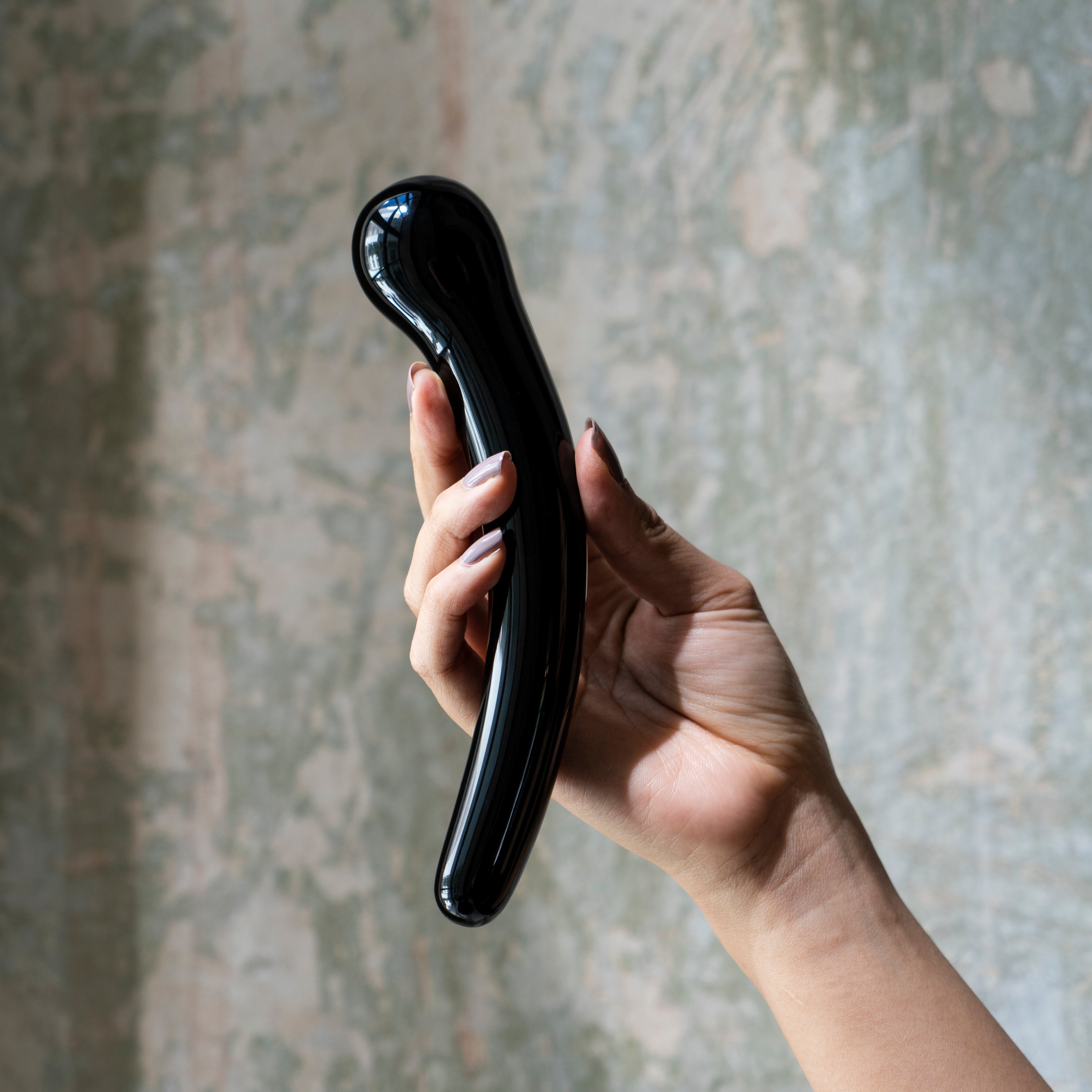
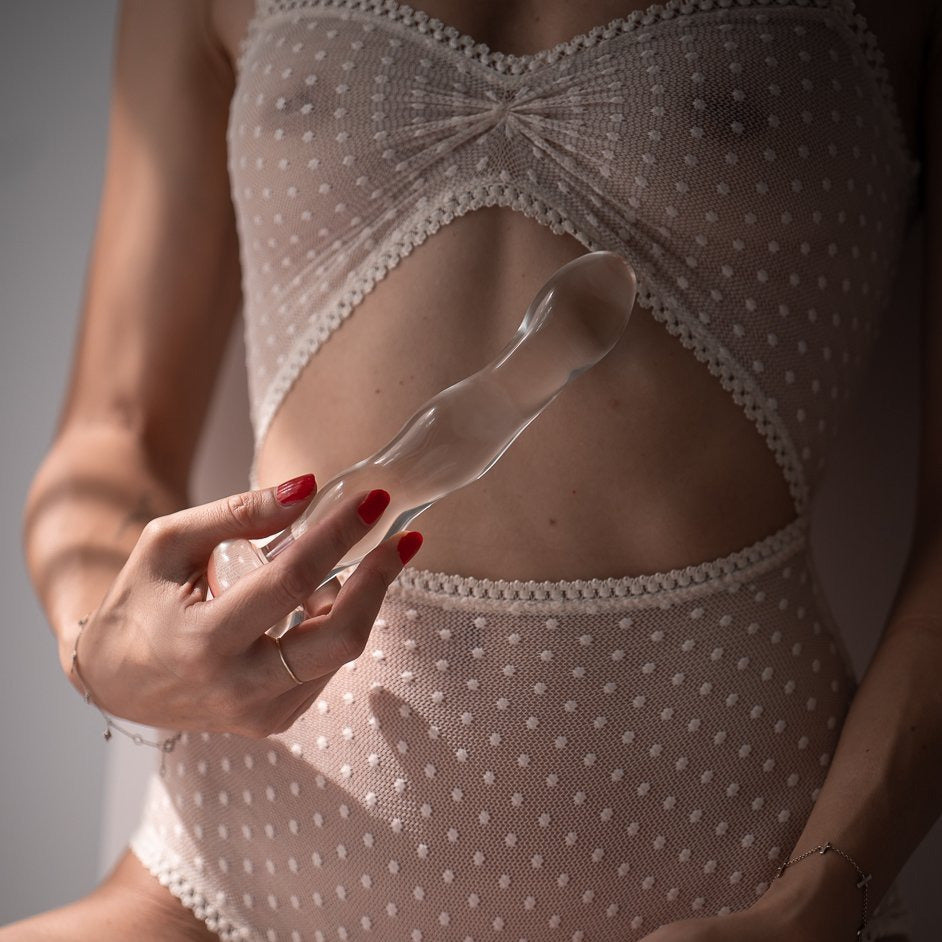
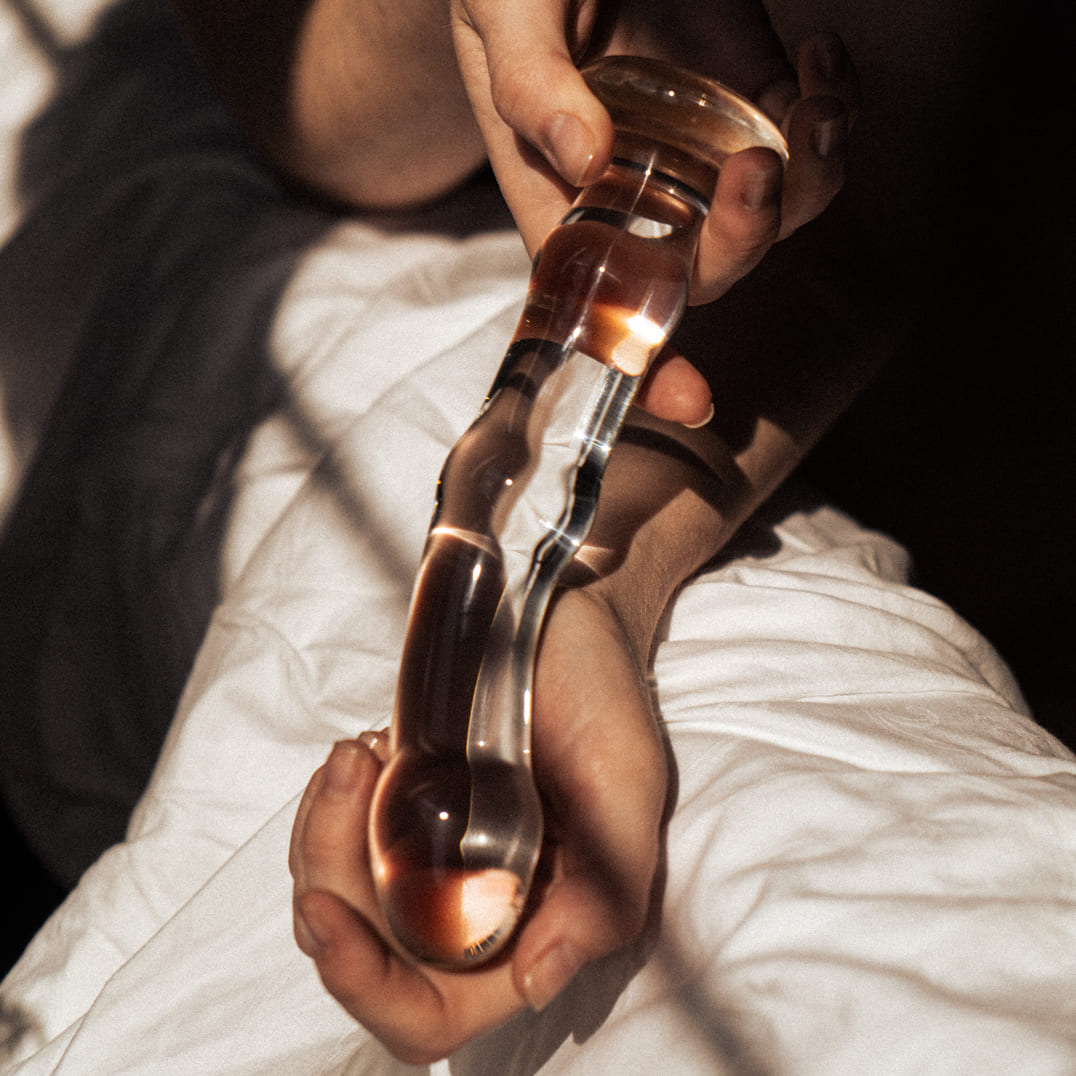
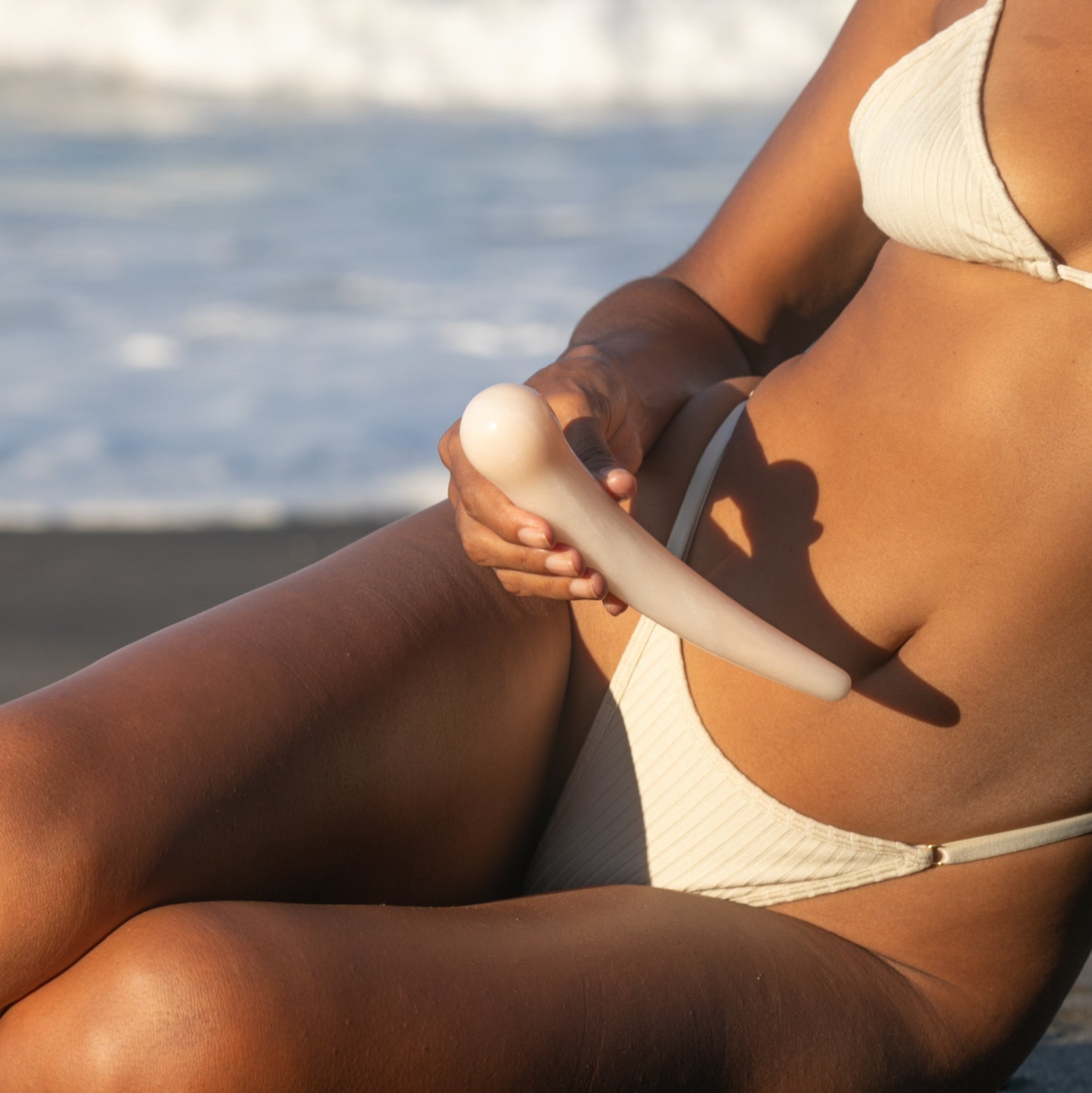
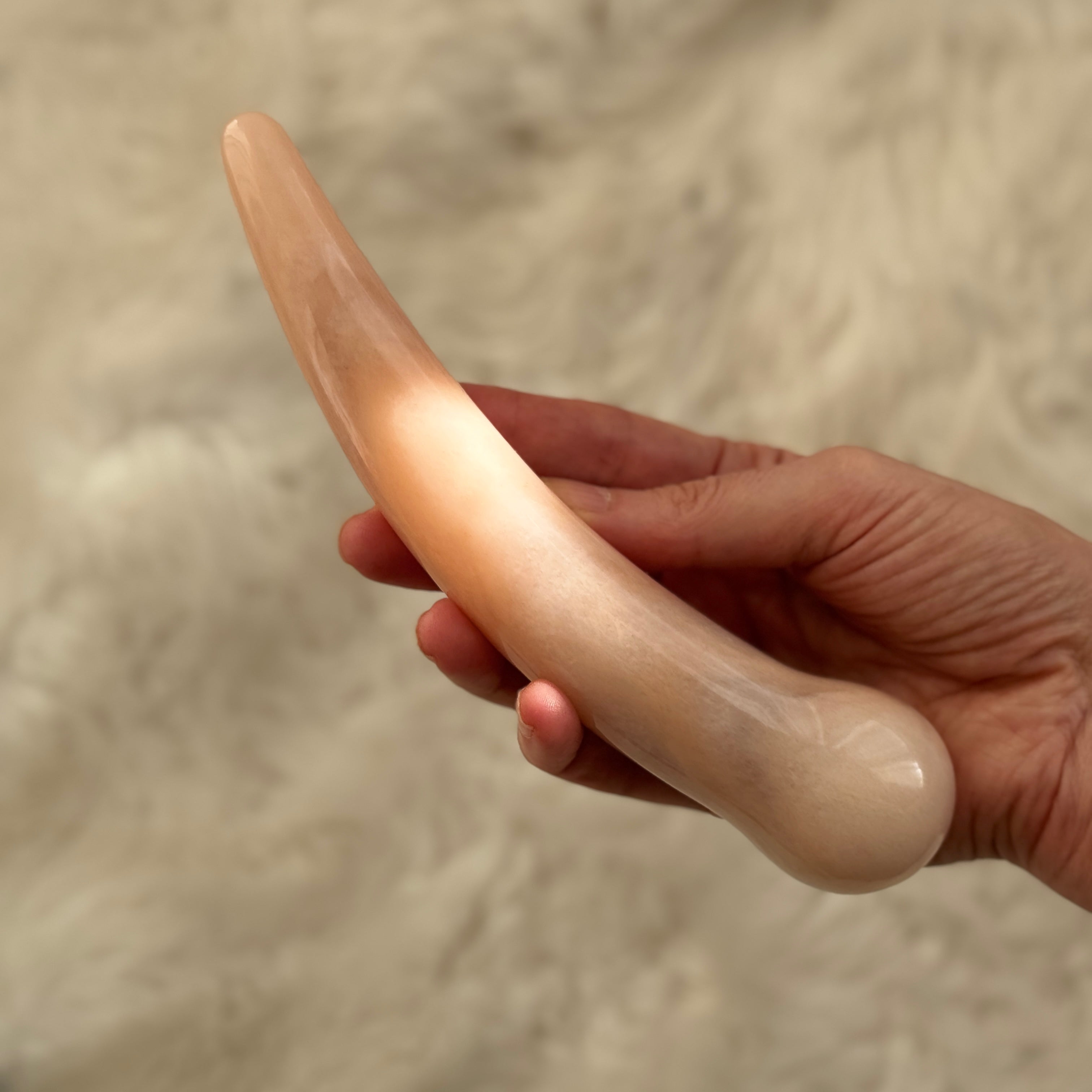
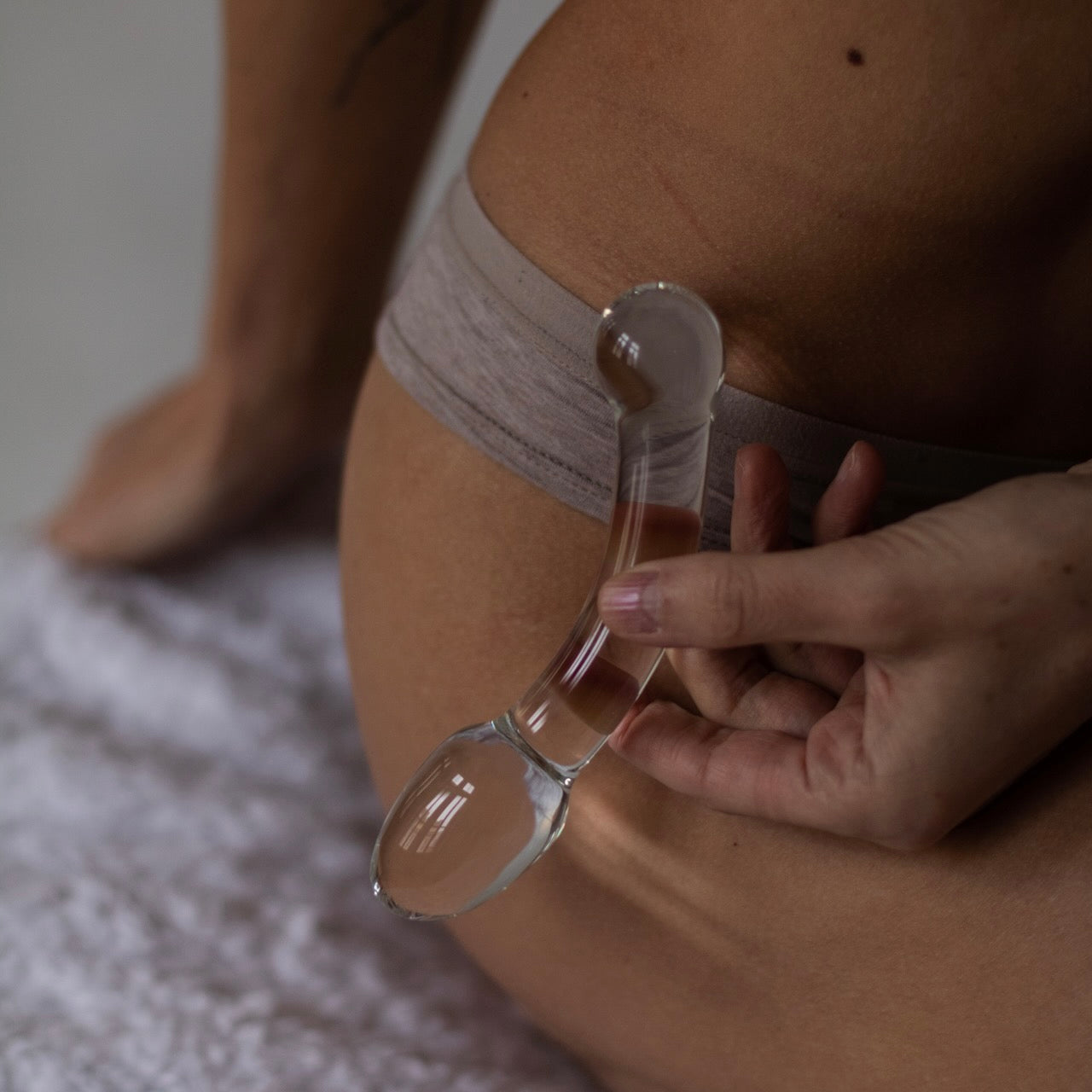
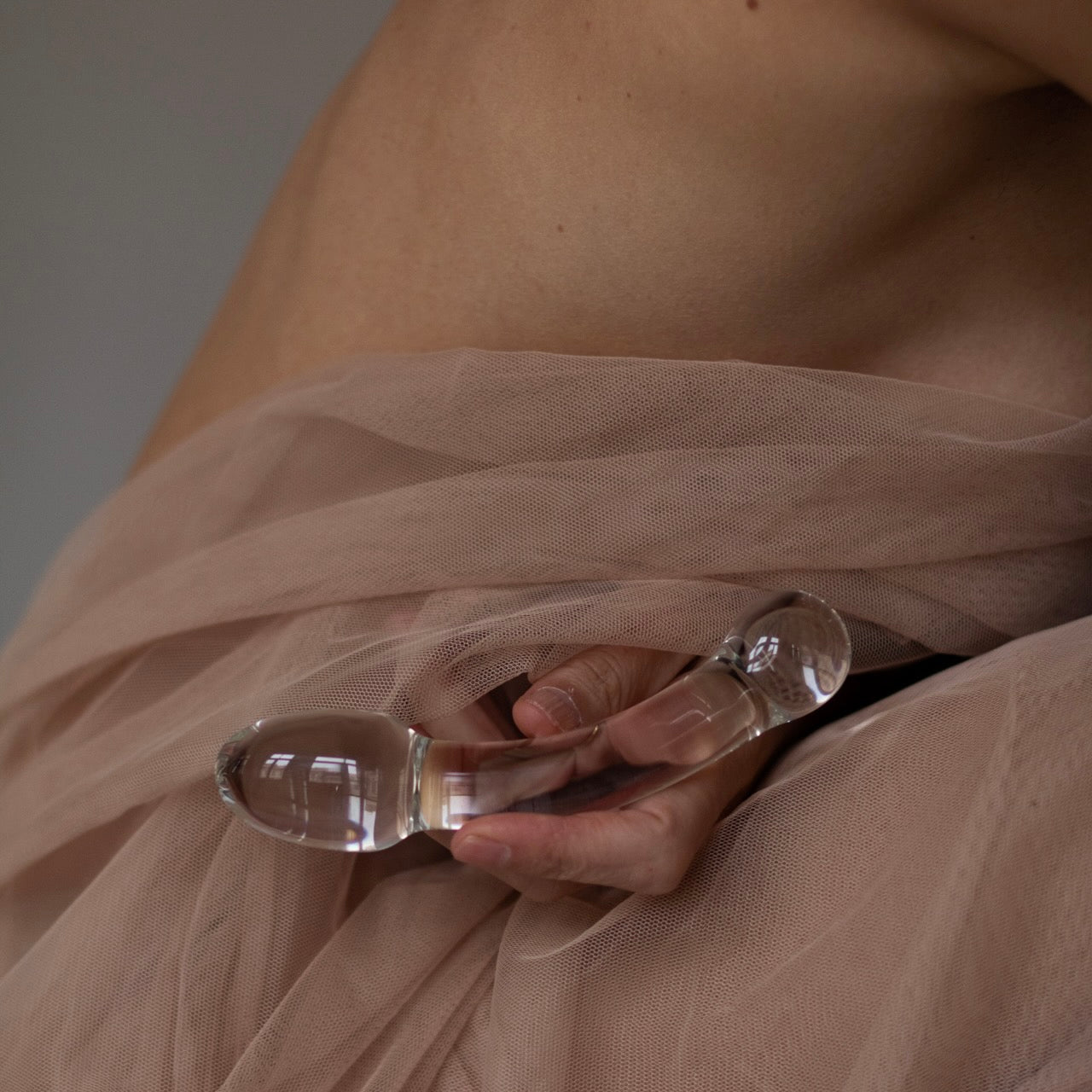
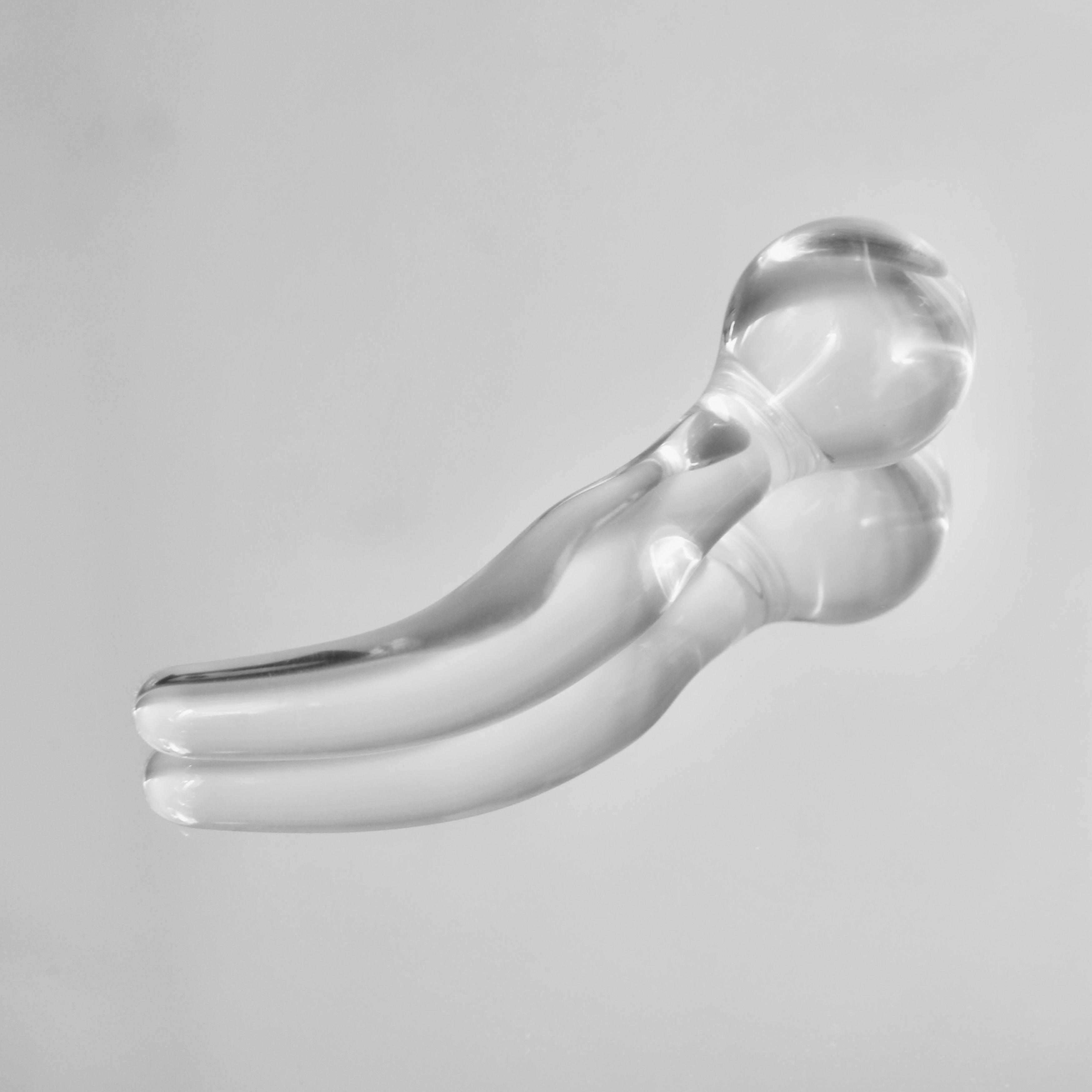
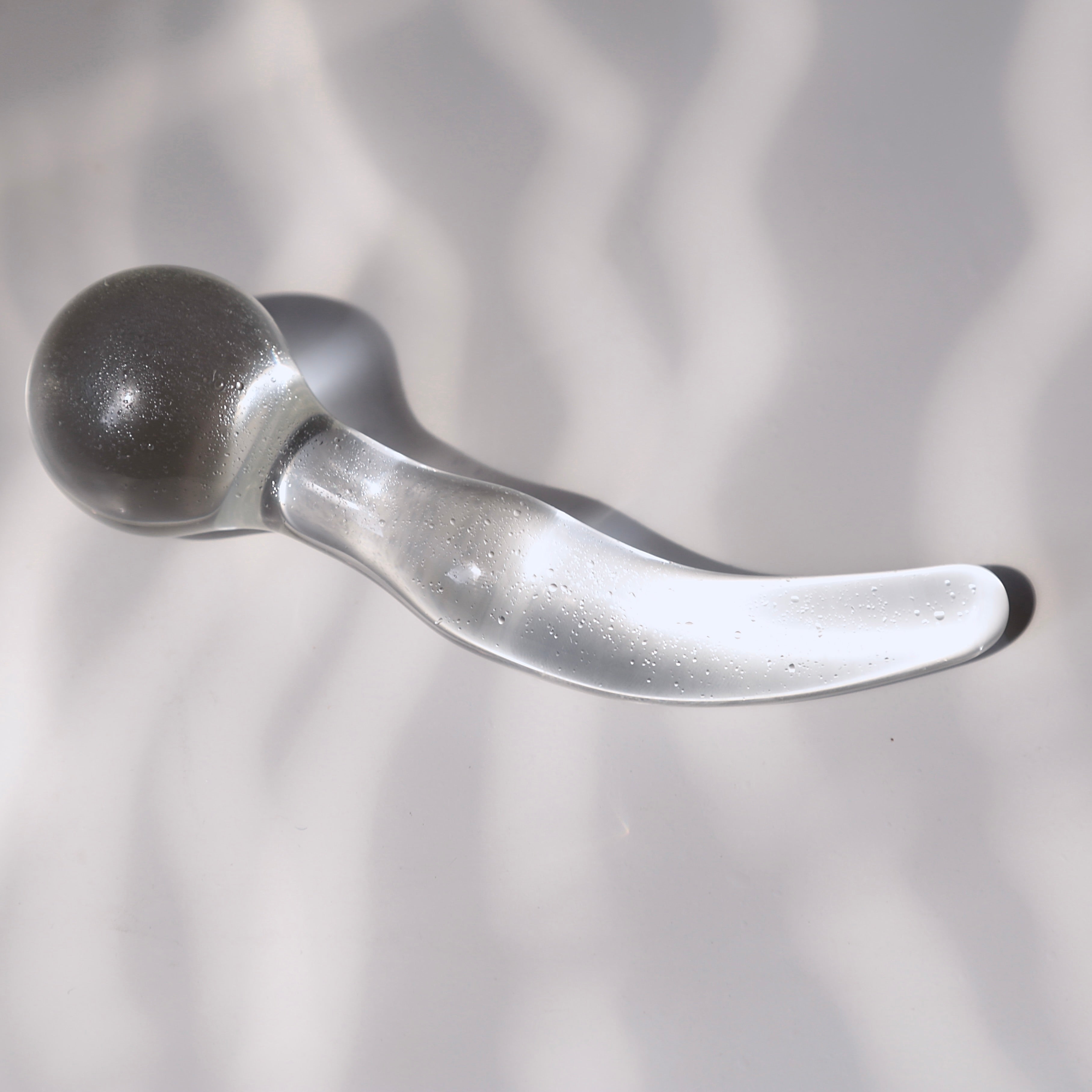
A pelvic wand is a curved, ergonomic tool designed to reach the deep internal muscles of the pelvic floor — areas that are simply inaccessible through external massage or standard movement. Its primary function is internal trigger point release: the wand is used to apply gentle, sustained pressure to specific points of tightness or tenderness within the pelvic floor muscles, encouraging them to soften and let go.
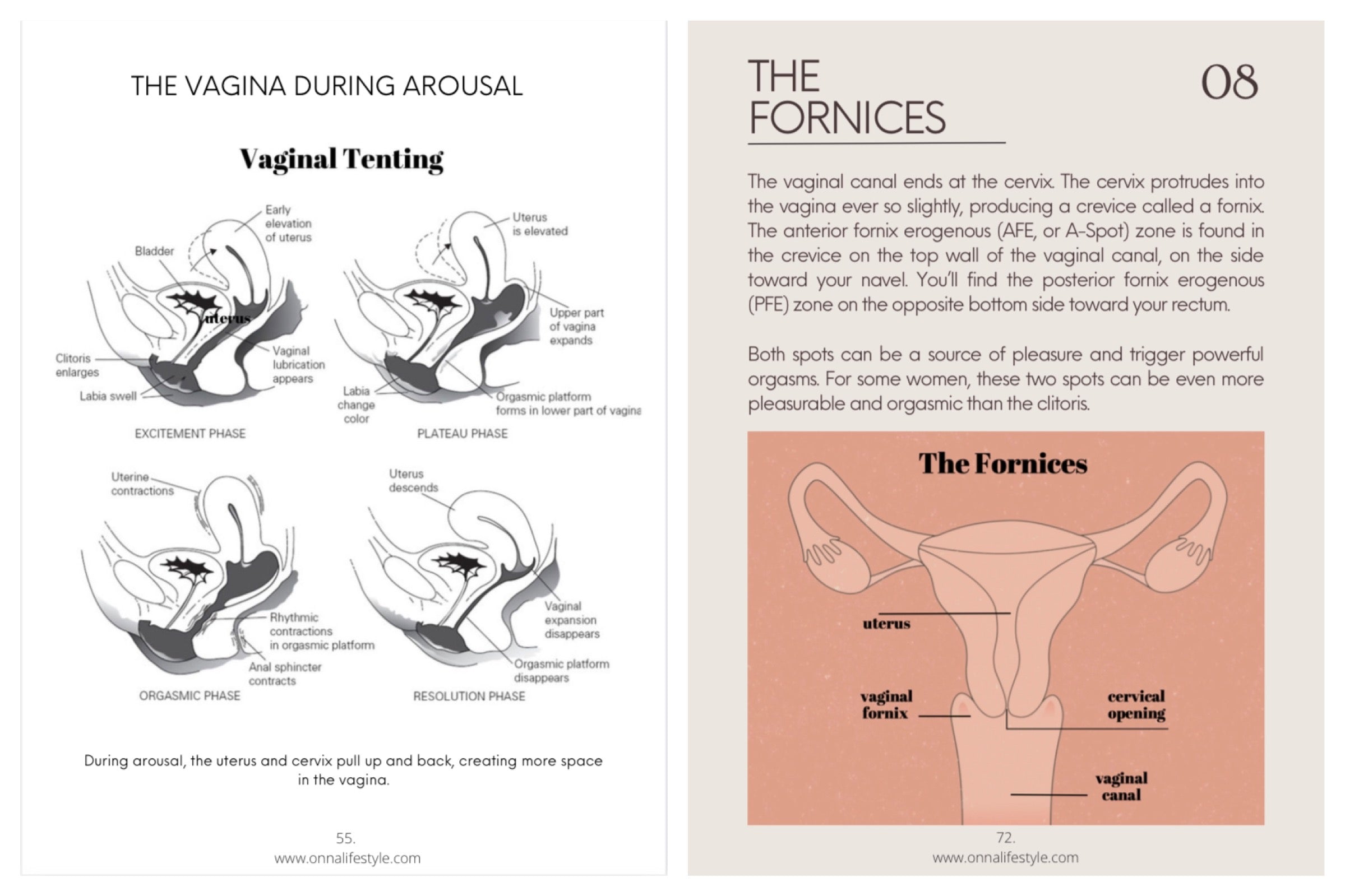
The muscles most commonly targeted include the levator ani and obturator internus, along with the deeper pelvic floor layers that support the bladder, uterus, and bowel. What makes this process effective goes beyond simple mechanical pressure — the sustained contact stimulates the nervous system to reduce local pain sensitivity, gradually recalibrating how tightly these muscles hold.
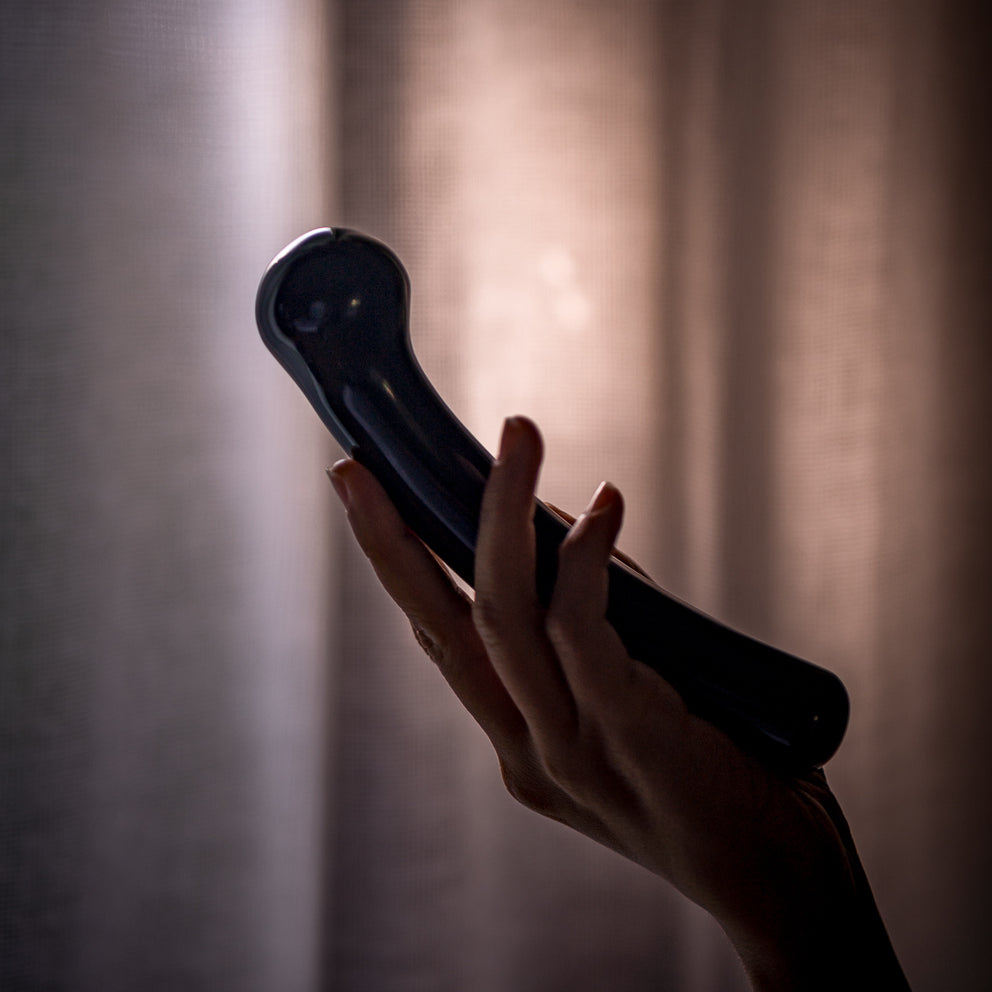
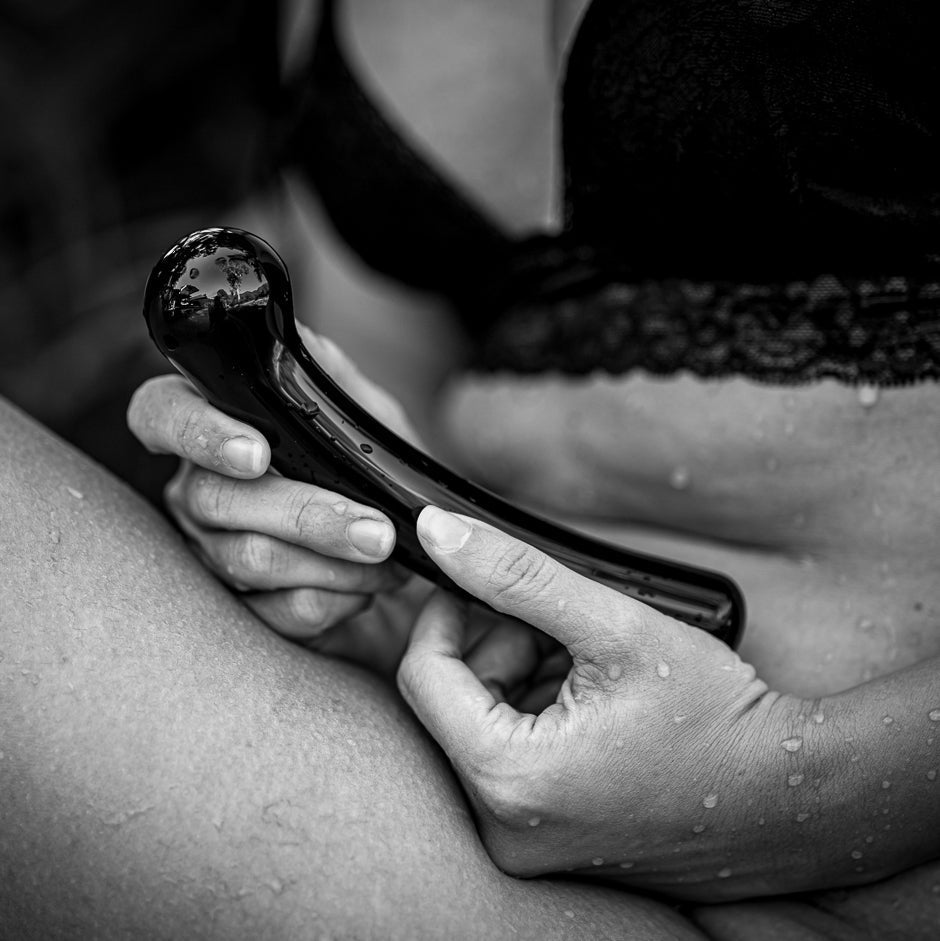
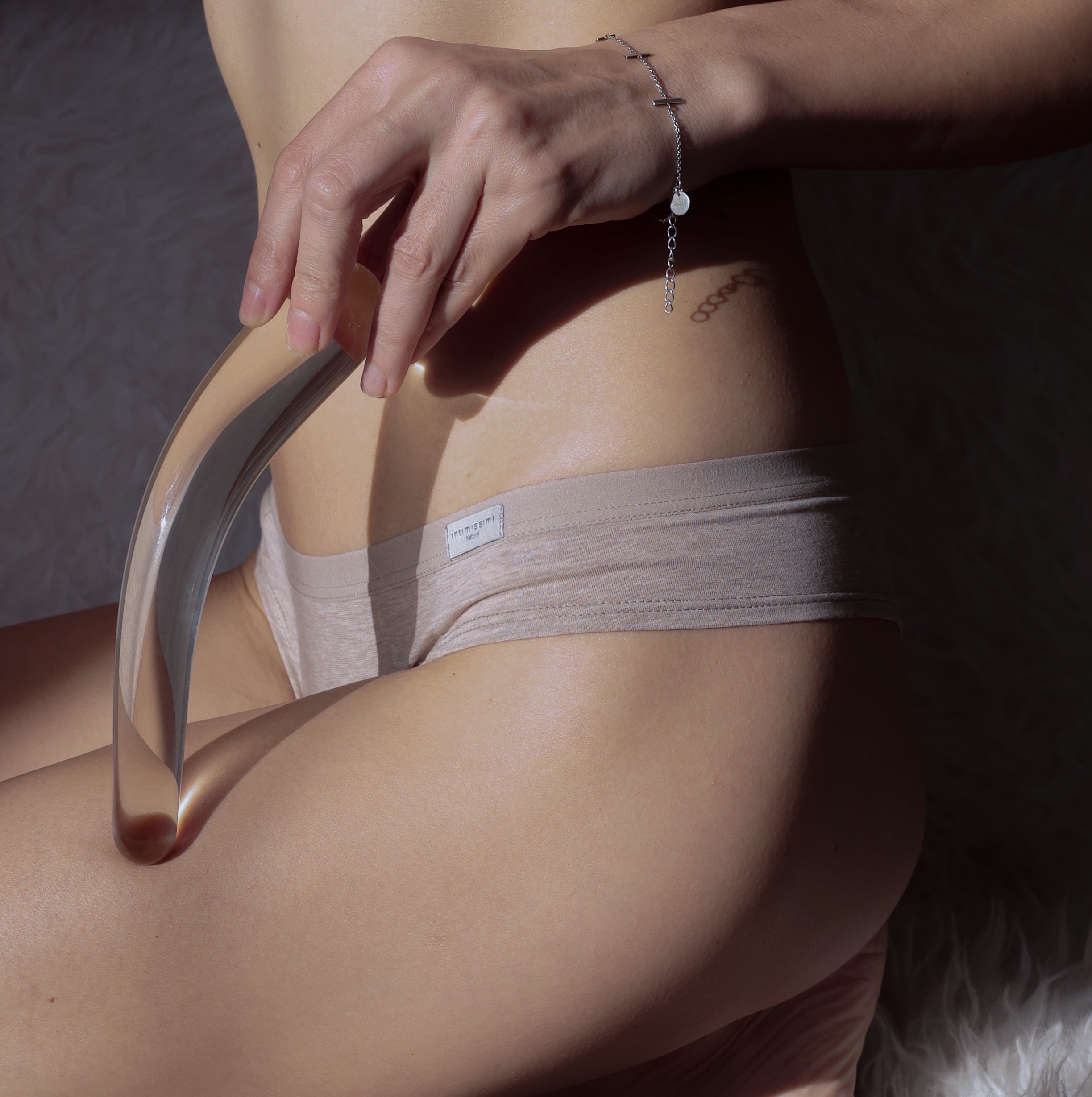
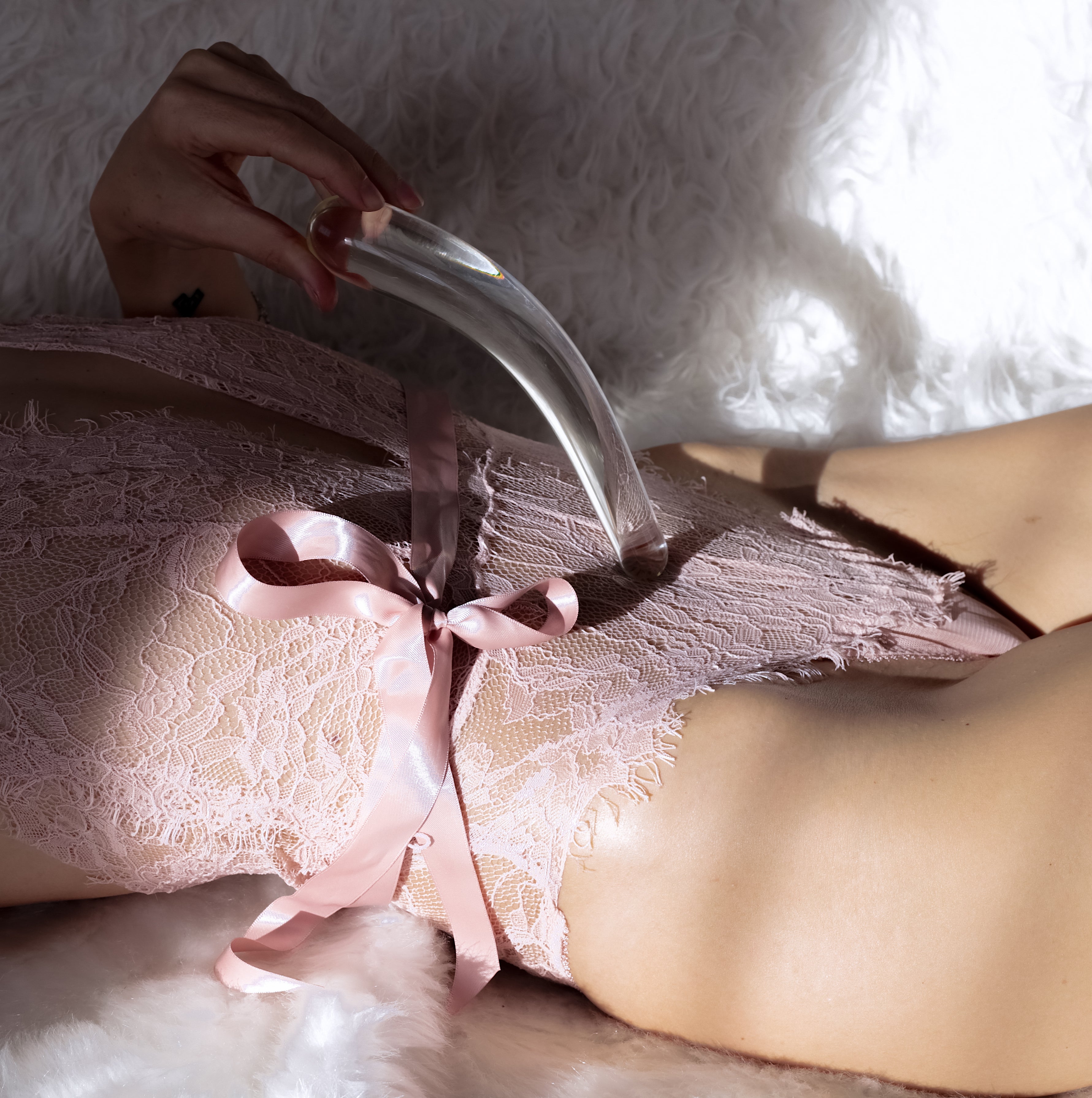
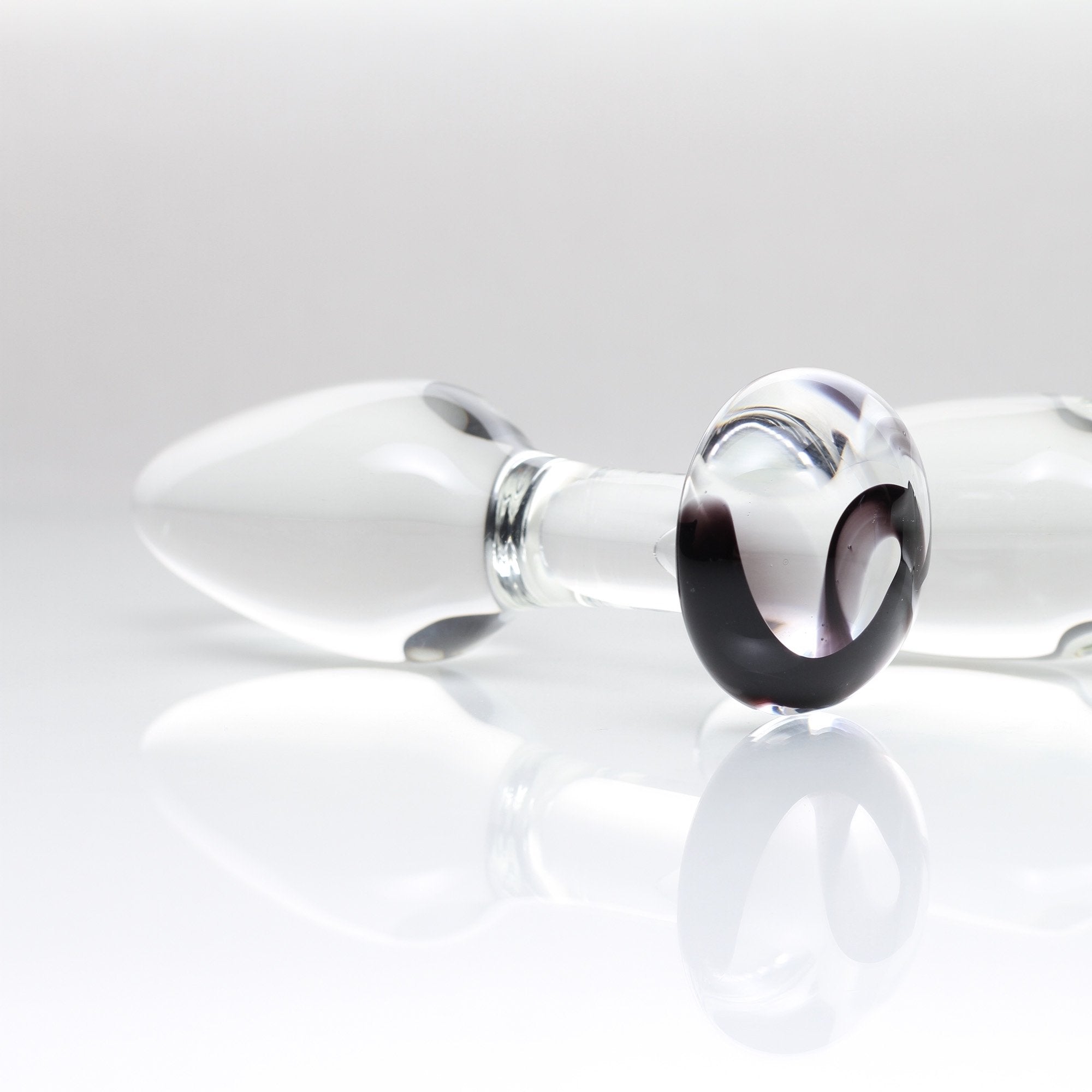
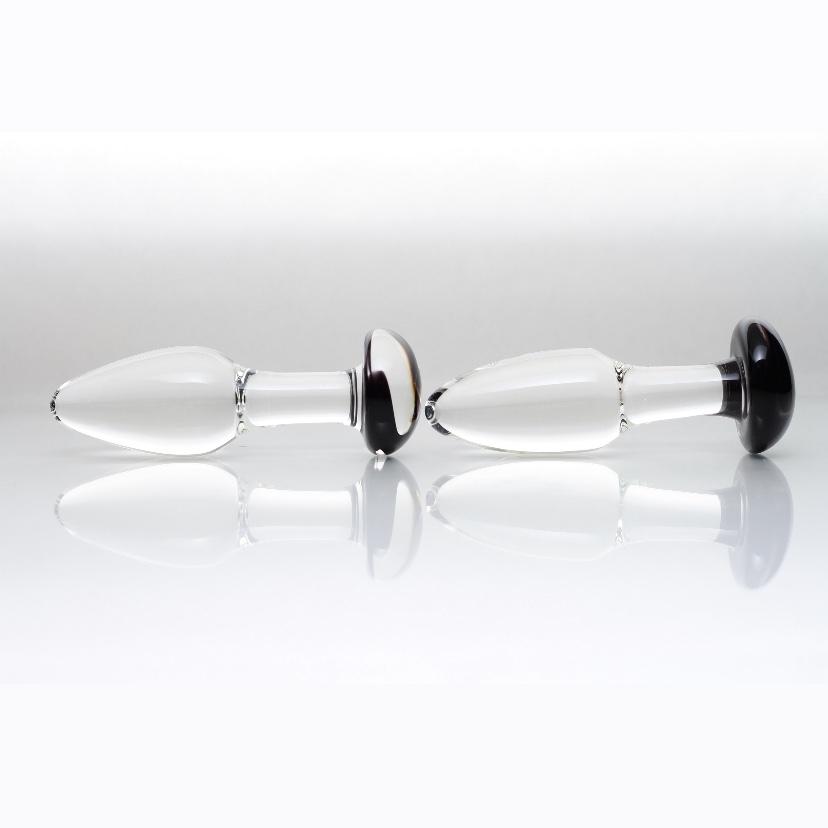
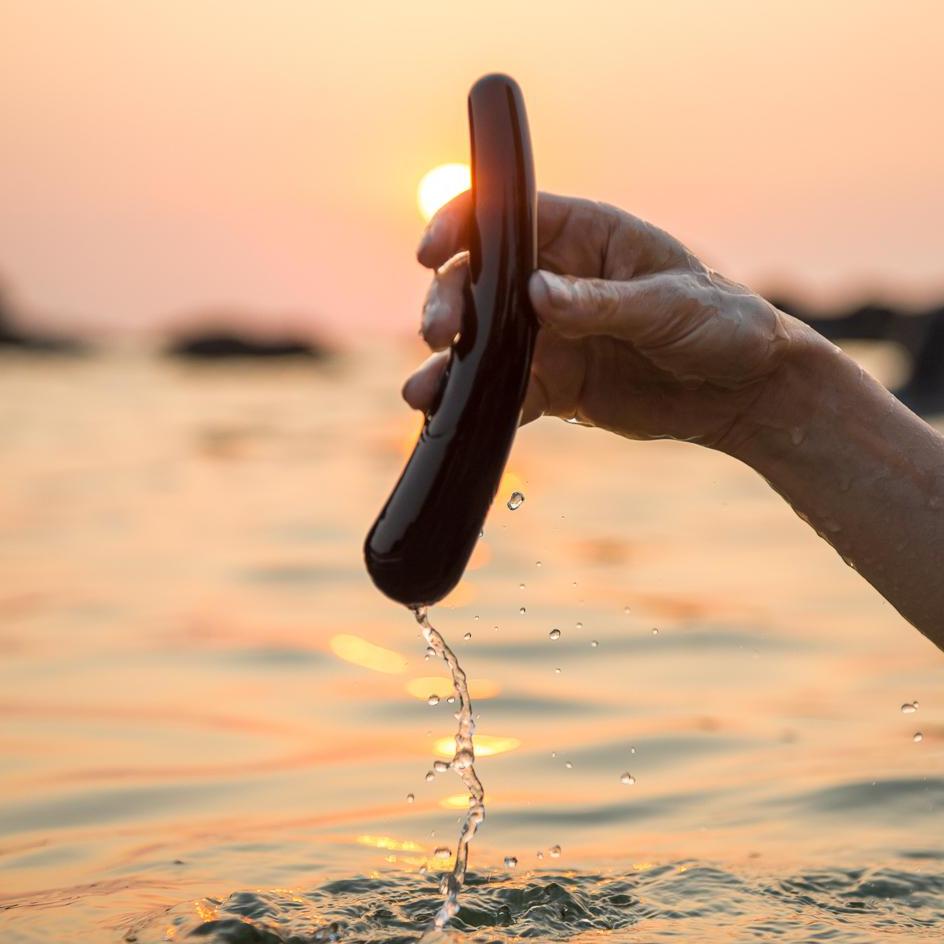
People with pelvic floor tension, vaginismus, bladder pain syndrome/interstitial cystitis (BPS/IC), post-surgical tightness, or general discomfort during penetration can all benefit meaningfully from regular pelvic wand self-treatment at home. Onna Lifestyle's cervix and pelvic wands are made from smooth, body-safe borosilicate glass — a material that delivers the steady, intentional pressure this technique requires.
Before You Begin — How to Prepare for Pelvic Wand Use
Good preparation makes a significant difference to how comfortable and effective each session will be. Taking a few minutes to set up properly signals to your nervous system that this is a safe, intentional practice — not a rushed procedure.
Set Up Your Environment
Choose a private, quiet space where you will not be interrupted. A little warmth goes a long way here: taking a warm bath or shower beforehand helps pelvic floor relaxation begin before you even pick up the wand. Have a clean towel, a small pillow, and your lubricant within easy reach so you are not shifting around once you settle into position.
Clean Your Wand
Wash your wand with warm water and a gentle, fragrance-free cleanser before each use. Avoid alcohol-based or harsh chemical cleaners, which can degrade even high-quality materials over time. Always follow the manufacturer's care instructions specific to your wand's material.
Apply Lubricant Correctly
Always use a vagina friendly water-based intimate gel like Lip Intimate Care Prebiotic Lubricant. Apply lubrication for pelvic wand use generously: coat the first 5–7 cm of the wand shaft and apply a small amount to the vaginal opening as well. Adequate lubrication is not optional, it is the foundation of both comfort and effectiveness.
How to Use a Pelvic Wand — Step-by-Step Technique
Learning how to use a pelvic wand correctly comes down to three fundamentals: body positioning, finding the right points, and applying steady, appropriate pressure. Work through each step below without rushing.
Step 1 — Get Into Position
Lie on your back with your knees bent and allowed to fall gently outward — this is sometimes called the supine frog position. It is one of the most effective starting positions because it naturally encourages passive pelvic floor relaxation without requiring you to hold any tension in your hips or thighs.
Before inserting the wand, take three slow, full belly breaths. Allow your abdomen to rise on the inhale and fall completely on the exhale. This activates the parasympathetic nervous system and helps initiate pelvic floor release before any pressure is applied.
Step 2 — Insert the Wand
Bring the wand to the vaginal entrance. Orient the C-curve facing downward, toward the anus. Begin inserting slowly — the wand should glide in with minimal effort when there is adequate lubrication. Never force it. Insert to a depth of approximately 5–7 cm, which corresponds to the first curve of the wand. This places the tip in the region of the deeper pelvic floor muscles.
If you feel resistance, pause, breathe, and wait for the sensation to soften before continuing. The body responds much better to patience than pressure at this stage.
Step 3 — Sweep and Find Tender Points
Once the wand is positioned, sweep gently left to right across the pelvic floor. You are looking for points of tenderness, tightness, or a sensation that "refers" elsewhere — perhaps a feeling in the lower back, inner thigh, or lower abdomen. These referral patterns are common with pelvic floor self-massage and indicate areas of accumulated tension.
The goal here is to find discomfort, not avoid it. These tender spots are exactly where the release work happens. Note their location so you can return to them consistently across sessions.
Step 4 — Hold and Release (The Pressure Technique)
When you locate a tender point, hold firm, moderate pressure on that spot. A useful pressure reference: aim for the sensation of checking whether an avocado is ripe — firm, but not forceful. This C-curve technique should feel like a productive ache, not sharp pain.
While holding the pressure, breathe deeply and consciously keep your hips and pelvic floor passive. The release happens through sustained, steady contact combined with full diaphragmatic breathing — not through pushing harder or moving around.
Hold until you notice the discomfort begin to soften — this typically takes 30–90 seconds. When it does, that is your signal to move to the next point. Pain should remain below 3/10 at all times. If a point is sharper than that, reduce pressure immediately.
Step 5 — Repeat and Complete Your Session
Work through as many tender areas as time and comfort allow. A typical session lasts 5–15 minutes. Daily use, or the frequency recommended by your treating therapist, delivers the best results over time — consistency is far more important than session length.
When you are ready to finish, remove the wand slowly and exhale on withdrawal. Take a moment to rest in the same position before getting up, allowing your nervous system to settle.
Tips to Make Your Pelvic Wand Use More Effective
Technique is important, but the habits you build around each session matter just as much. Here are a few principles that consistently make a difference:
•Little and often beats infrequent long sessions. Five to ten minutes daily creates cumulative desensitisation that sporadic longer sessions simply cannot replicate.
•Timing matters. Evenings, particularly after a warm shower, tend to yield the most relaxation because background muscle tone naturally decreases later in the day.
•Pair with breathwork. Diaphragmatic breathing during pelvic wand use actively amplifies the relaxation response, helping muscles release more fully with each held point.
•Track your tender points. Note which areas feel most sensitive in each session and observe how they change over time. Progress often shows up as reduced sensitivity in previously tender spots before you notice it elsewhere.
•Track your tender points. Note which areas feel most sensitive in each session and observe how they change over time. Progress often shows up as reduced sensitivity in previously tender spots before you notice it elsewhere.
•Keep your hips passive. Active hip tension counteracts pelvic floor release. If you find your hips gripping, place a pillow under your knees to support them and reduce the temptation to hold tension.
If you are looking to deepen your practice, our pleasure wands and squirting toys collection includes tools designed for both wellness and pleasure exploration, supporting the full spectrum of internal sensitivity work.
When to Stop — Safety and Contraindications
Pelvic wand use is a powerful tool, and like any therapeutic practice, knowing when not to use it matters just as much as knowing how.
Stop use immediately and rest if any of the following occur:
• Pain exceeds 3/10 or becomes sharp or stabbing
• Any bleeding is present during or after use
• Symptoms — pain, urgency, or pressure — worsen in the hours following a session
• You experience unusual discharge or signs of irritation
Do not use a pelvic wand during an active pelvic infection, UTI, or in the early stages of post-surgical recovery without explicit clearance from a physiotherapist. Pelvic wand safety is best established by having at least one session with a pelvic health physiotherapist before beginning pelvic wand use at home. A trained physio can confirm which muscle areas to target, verify the wand is appropriate for your specific condition, and help you calibrate pressure so your practice is both safe and effective from the start.
Frequently Asked Questions About Pelvic Wand Use
How often should I use a pelvic wand?
Most pelvic health physiotherapists recommend daily use, or as individually directed based on your condition. Short, consistent sessions of 5–15 minutes tend to produce better results than infrequent, longer ones.
How do I know if I'm using the right amount of pressure?
The right pressure feels like a productive ache — noticeable, but not sharp. A useful benchmark is the sensation of pressing a ripe avocado: firm and purposeful, but never forceful. If the discomfort exceeds 3/10, ease off.
Can I use a pelvic wand every day?
Yes — daily use is generally encouraged and is how cumulative desensitisation builds. If you notice increased soreness or irritation, reduce frequency and allow a rest day before resuming.
What lubricant should I use with a pelvic wand?
Always use a water-based intimate gel. Apply generously to both the wand shaft and the vaginal opening before every session.
What's the difference between the rounded and pointed end of a pelvic wand?
On Onna Lifestyle's cervix and pelvic wands, the rounded bulb end is shaped for G-spot stimulation and deeper internal arousal. The slimmer end is designed for more targeted de-armouring, gentle cervical contact, and precise trigger point work in narrower areas.
Should I see a physio before using a pelvic wand at home?
It is strongly recommended, particularly if you have a diagnosed condition such as vaginismus, BPS/IC, or post-surgical changes. A pelvic health physiotherapist can identify which areas to prioritise and ensure your self-treatment is well-targeted from the beginning.
Ready to Start?
Consistent, technique-led pelvic wand use at home can make a genuine, lasting difference to pelvic tension and pain — when done correctly and patiently. The three non-negotiables to keep front of mind: adequate water-based lubrication every session, pressure held firmly below 3/10, and daily consistency that lets cumulative release build over time. Progress is quiet and gradual, but it is real.
If you are ready to begin, explore Onna Lifestyle's body-safe cervix and pelvic wands — crafted from smooth borosilicate glass for the steady, precise pressure this practice deserves. You can also browse our full range at onnalifestyle.com or reach out if you have questions about which wand is right for your needs.